

Oak Ridge National Laboratory (ORNL) researchers have overcome a barrier to using a more affordable, dry process for manufacturing the Li-ion batteries used in vehicles and electronic devices. The resulting batteries provide greater electricity flow and reduced risk of overheating.
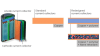
Dry processing is a method for making electrode films that eliminates the need for wet organic solvents that require increased factory floor space, time, energy, waste disposal and startup expenses. However, dry-processed films tear easily. To address this issue, ORNL researchers incorporated long carbon fibers, then tested coin cell batteries made from the material. They found the films were stronger and more flexible. The long fibers improved the mechanical strength of the material while transferring electrons further for faster charging and discharging rates.
While others have experimented with nanoscale carbon fibers, ORNL is the first to use long carbon fibers, said scientist Jaswinder Sharma. The chemical cost savings would exceed the price of the fiber, which constitutes only one percent of the weight.
“We think this is the next step in bringing dry-processed electrodes near to widespread use,” he said. “By eliminating expensive solvents and simplifying manufacturing, this method could help U.S. battery producers compete more effectively in the global market.”
The ORNL project is funded by the Department of Energy’s Advanced Materials and Manufacturing Technologies Office.
For more information, contact Sharma at