

Rugged Computing - February 2020
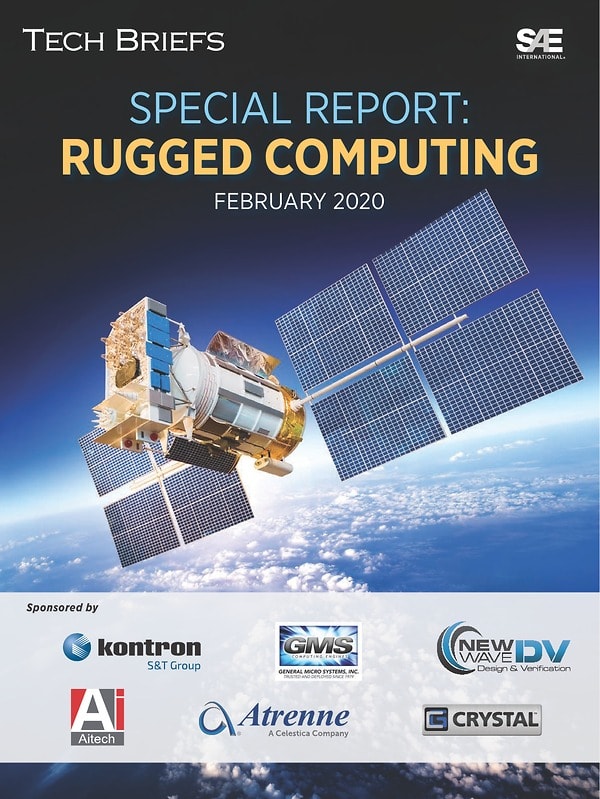
From the battlefield to the extreme environment of space, electronics and computing advances enable missions in the harshest conditions. To help you keep pace with the latest developments, we present this compendium of recent articles from the editors of Tech Briefs and Aerospace & Defense Technology.
Don't have an account?
Overview
The February 2020 Special Report on Rugged Computing provides an in-depth exploration of advancements in technology tailored for military and aerospace applications. It highlights the critical need for robust, reliable systems that can withstand harsh environments while delivering high performance.
One of the key features discussed is the evolution of mobile rugged displays, which are essential for situational awareness in military operations. The report emphasizes the transition from older display technologies, such as cathode ray tubes (CRTs), to modern high-resolution displays, including ultra-high-definition (UHD) and 4K screens. These advancements allow warfighters to access and interpret vast amounts of data from various sources, including tactical data links and advanced mapping systems. The integration of touchscreens, gesture recognition, and other user-friendly interfaces enhances the ability to interact with complex data quickly and effectively.
The report also addresses the challenges faced during the adoption of new display technologies. Early consumer-grade displays often fell short in terms of ruggedness and outdoor visibility, prompting the need for military-compliant solutions that can endure the rigors of deployment. The importance of selecting the right display attributes based on environmental conditions and user requirements is underscored, as these factors significantly impact operational effectiveness.
Another significant trend highlighted in the report is the shift in military acquisition strategies. The move towards evolutionary acquisition (EA) allows for the rapid deployment of equipment in discrete increments, reducing the risk of obsolescence. This approach encourages the development of commercial off-the-shelf (COTS) components that meet military standards, fostering innovation while ensuring reliability in mission-critical applications.
The report also delves into the operational considerations for high-reliability interconnects in military and aerospace systems. It emphasizes the need for stringent standards in the design and manufacturing of cables and connectors, which are often overlooked despite their critical role in system performance. Ensuring that these components are robust and reliable is essential for maintaining the integrity of complex military systems.
Additionally, the report features articles on rugged high-speed cameras that capture critical flight test video data, showcasing the importance of advanced imaging technologies in aerospace testing. The use of ruggedized test equipment for jet engine diagnostics is also discussed, highlighting how these tools can solve complex engineering challenges in demanding environments.
Overall, the Special Report on Rugged Computing serves as a valuable resource for program managers and engineers in the military sector, providing insights into the latest technological advancements and best practices for integrating these innovations into military programs. By understanding the evolving landscape of rugged computing, stakeholders can make informed decisions that enhance operational capabilities and ensure mission success in the field.










