

Vehicle Electrification - July 2023
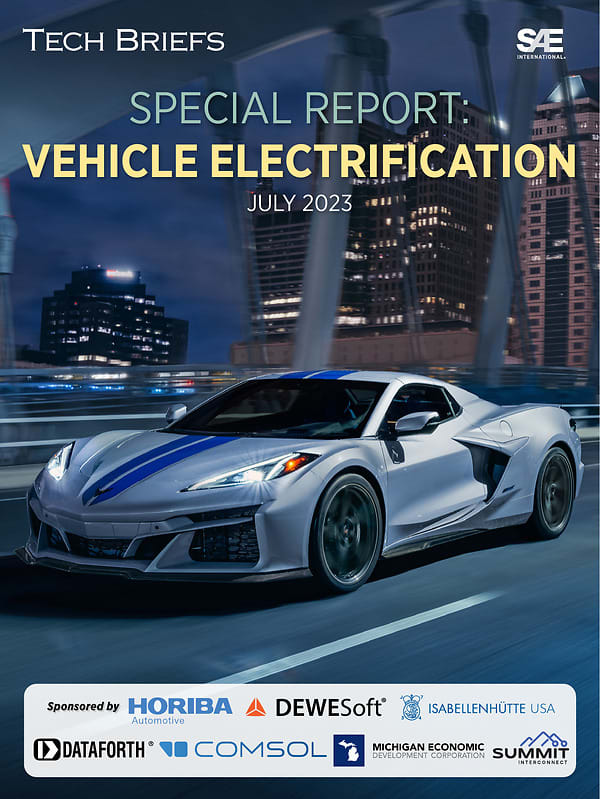
Read this compendium of recent articles from the editors of Automotive Engineering and Battery & Electrification Technology to learn about the latest advances in e-powertrain design, batteries/energy storage, charging technology, smart grid, and much more.
Don't have an account?
Overview
The Vehicle Electrification Special Report from July 2023 provides a comprehensive overview of the current state and future prospects of electric vehicle (EV) technology. It highlights the rapid advancements in electric powertrain development, emphasizing the importance of optimizing traction motors and power electronics. These components are crucial as they can significantly enhance the efficiency of EVs, thereby reducing the need for large, expensive battery capacities.
One of the key players in this evolving landscape is Vitesco Technologies, a powertrain supplier that emerged from Continental in 2019. The company is fully committed to electrification in its future developments, projecting a substantial revenue increase from $888 million in 2021 to an estimated $10 billion to $12 billion by 2030. This reflects the growing market potential for innovative solutions in the EV sector.
The report also features the unveiling of the 2024 Chevrolet Corvette E-Ray, a hybrid sports car that combines an electrically-driven front axle with a powerful V8 engine driving the rear wheels. This model represents a significant step in integrating hybrid technology into high-performance vehicles, showcasing how traditional automotive brands are adapting to the electrification trend.
In addition to vehicle advancements, the report addresses the broader implications of the shift towards electric mobility. It notes that the automotive industry faces pressing deadlines to meet greener energy mandates by the end of the decade. The anticipated increase in electricity demand—projected to grow nearly 20% by 2050 due to the rise of EVs and other clean technologies—poses significant challenges for the existing electrical grid. The report stresses the need for collaboration among utilities and stakeholders to develop innovative energy management strategies that can accommodate this increased load without compromising system reliability.
Moreover, the report highlights the critical role of battery management systems in ensuring the efficiency and longevity of EV batteries. As the market for electric vehicles expands, the demand for effective battery management solutions will become increasingly important to optimize performance and safety.
Another significant point raised is the bottleneck caused by contemporary onboard chargers, which can hinder charging times. The report suggests that eliminating these bottlenecks could potentially triple charging speeds, making EVs more convenient for consumers.
Lastly, the report touches on the Make it in Michigan initiative, led by Governor Gretchen Whitmer, which aims to bolster the state's economy by focusing on projects, workforce development, and community revitalization. This initiative aligns with the broader goals of enhancing manufacturing capabilities and securing supply chains within the state, particularly in the context of the growing EV market.
In summary, the Vehicle Electrification Special Report encapsulates the dynamic changes in the automotive industry as it transitions towards electrification. It underscores the importance of technological innovation, infrastructure readiness, and strategic economic initiatives to support the widespread adoption of electric vehicles and ensure a sustainable future for the automotive sector.










