

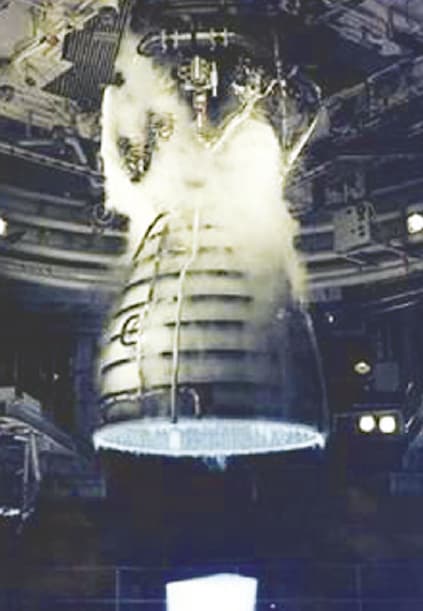
John C. Stennis Space Center provides rocket engine propulsion testing for the NASA space programs. Since the development of the Space Shuttle, every Space Shuttle Main Engine (SSME) has gone through acceptance testing before going to Kennedy Space Center for integration into the Space Shuttle. The SSME is a large cryogenic rocket engine that used Liquid Oxygen (LO2) and Liquid Hydrogen (LH2) as propellants. Due to the extremely cold cryogenic conditions of this environment, an inert gas, helium, is used as a purge for the engine since it can be used without freezing in the cryogenic environment.
Technology Needs
Due to the size of the SSME and the test facilities required to test the engine, extremely large quantities of helium are used during testing each year. This requirement makes Stennis one of the world’s largest users of gaseous helium, which is a non-renewable natural resource. Cost of helium is increasing as the supply diminishes. The cost and shortage of helium are beginning to impact testing of the rocket engines for the space propulsion systems.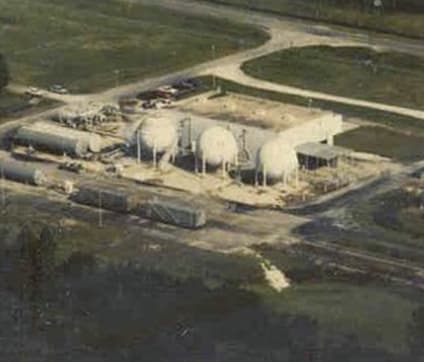
Technology Challenges
Helium used in rocket engine purge must meet very specific cleanliness standards. One of the challenges will be to develop an in-situ, on-site helium re-utilization system capable of recycling the helium to cleanliness standards requirements. The technologies developed to recapture and clean the helium must be cost-effective and able to perform the recycling process in an in-situ rocket engine test area environment. Such technologies will be required to comply with all safety and quality standards required in this environment.
More Information
For additional information, contact John Lansaw at Stennis Space Center, 228-688-1962, or visit











