

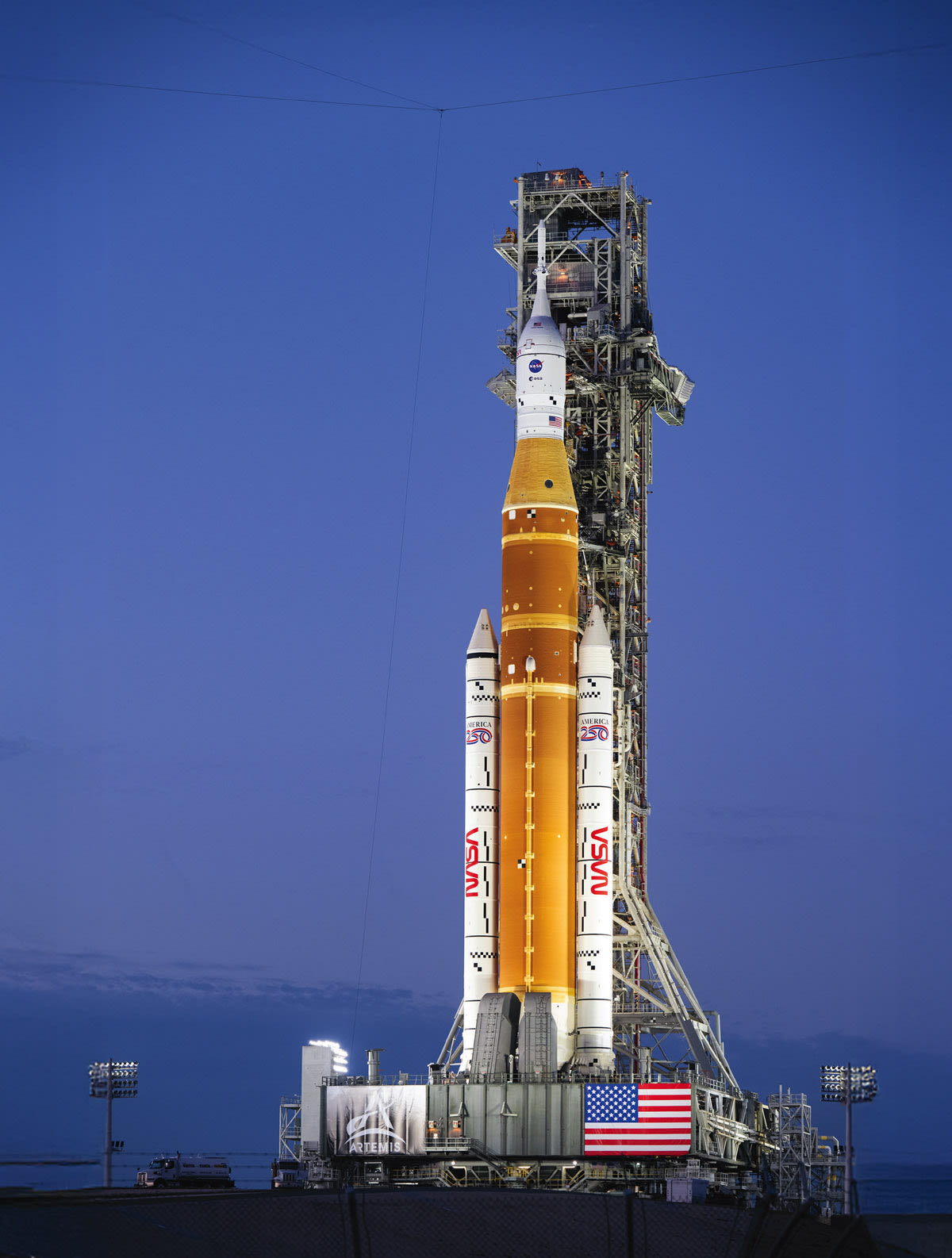
Originally scheduled for September 2025, Artemis II, NASA’s first crewed mission in the Artemis program is now targeted no later than April 2026 for launch. Taking the crew around the Moon is going to be the agency’s first step toward sustained lunar presence.
The mission had been expected to lift off as soon as February 8, but NASA said it encountered problems during the test after cold weather caused a late start, including running into issues with hydrogen leaks while filling up Artemis II’s Space Launch System (SLS) rocket with propellant. At the time of writing this article, there’s a possibility the mission could launch in March 2026 if preparations stay on track and safety criteria are met.
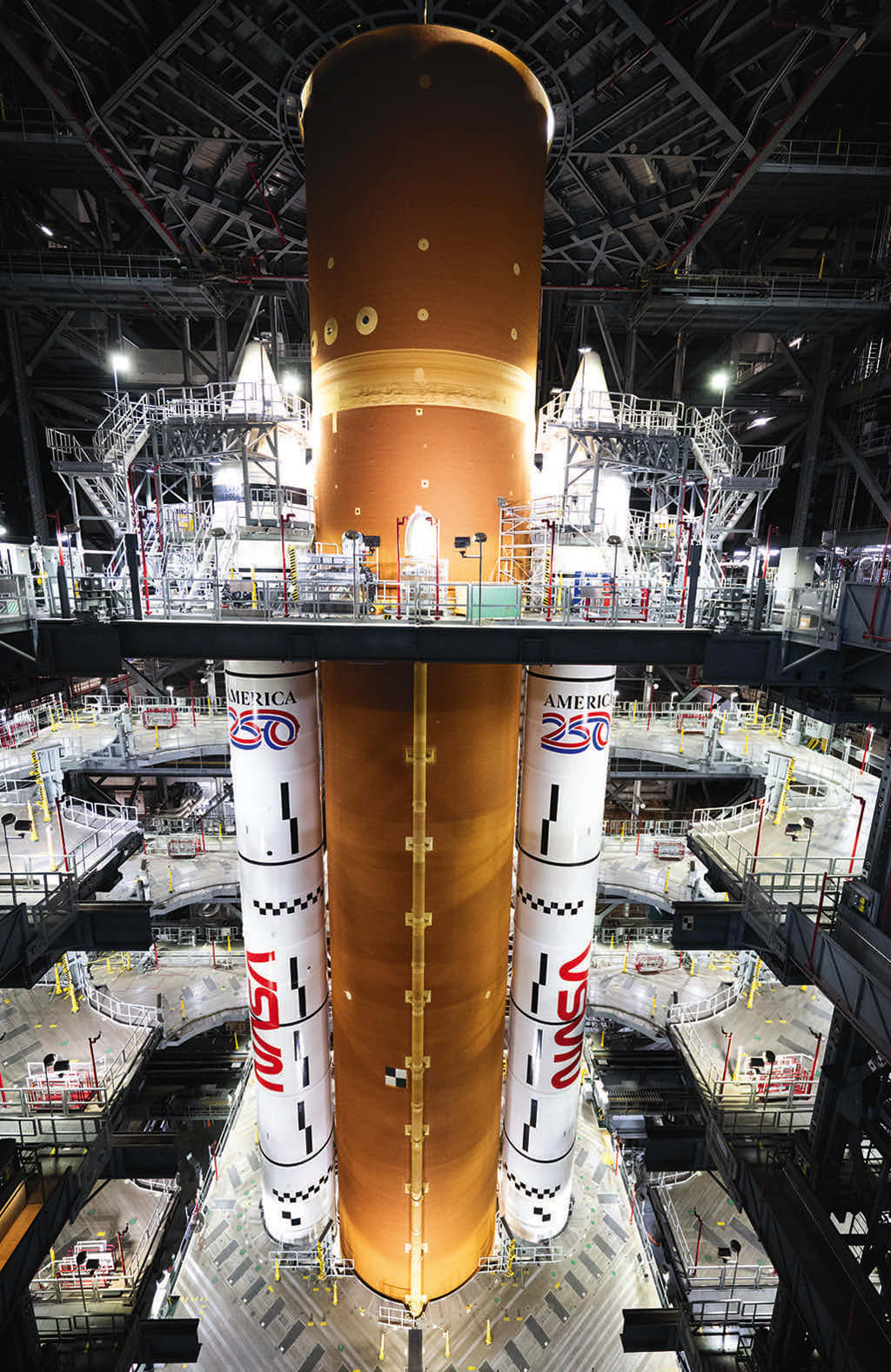
In NASA’s Rollout and Mission Overview News Conference held on January 16, discussions highlighted the wet dress rehearsal being a key determinant for launch. NASA officials emphasized that crew safety is the top priority, highlighting the importance of thorough testing and learning from Artemis I.
“We are going to fly when we are ready,” said John Honeycutt, Artemis II Mission Management Team Chair. “There will be a group of 15 core members from across the enterprise that are responsible for the overall risk management associated with the mission. The members of the mission management team have taken part in every one of the mission reviews and all the risk assessments that we have done so far.”
The main driver of Artemis II delays was unexpected loss of char layer pieces from Orion spacecraft’s heat shield after the 2022 uncrewed test flight of Artemis I that resulted in evaluation of re-entry heating, re-entry profile, and life-support system performance, enabling a revised launch window in early 2026.
The Artemis II test flight will send NASA astronauts Reid Wiseman, Victor Glover, and Christina Koch, and CSA astronaut Jeremy Hansen in the Orion spacecraft aboard the SLS rocket on a roughly 10-day trip: a flyby around the Moon and return to Earth. The goal is to test spacecraft systems with humans aboard in deep space — a critical step toward future lunar landing and Mars missions.
In the coming weeks, NASA will complete final preparations of the rocket, which includes a long checklist of launch pad preparations, including connecting ground support equipment such as electrical lines, fuel environmental control system ducts, and cryogenic propellant feeds. Once complete, the Artemis II astronauts will conduct a final walkdown at the pad.
Wet Dress Rehearsal
On January 17, the SLS rocket and Orion spacecraft reached Launch Pad 39B after a nearly 12-hour journey from the Vehicle Assembly Building (VAB) at the agency’s Kennedy Space Center in Florida. Rollout to the pad marks another milestone leading up to the mission.
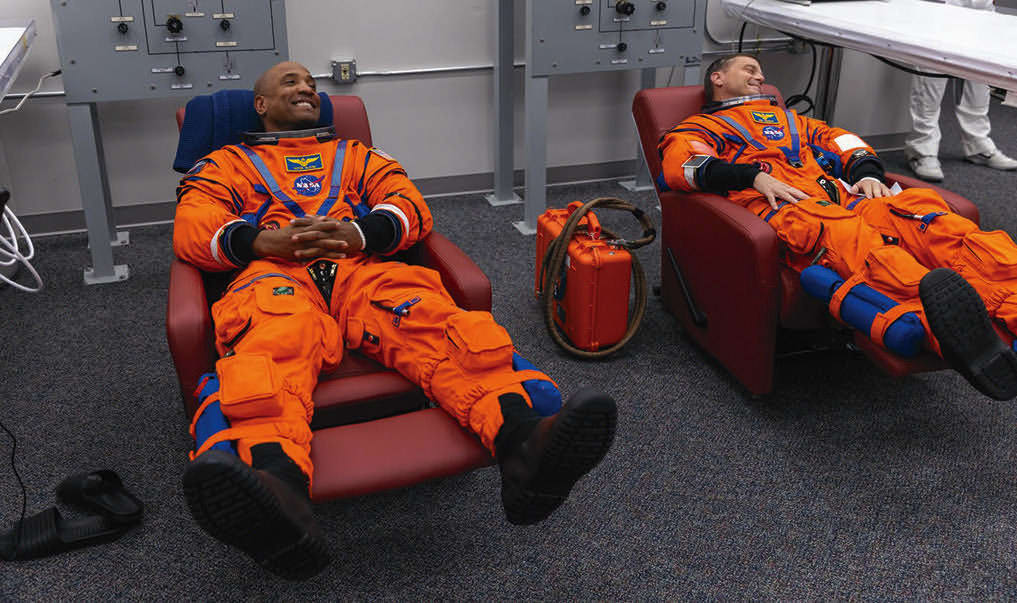
Following the rollout to the launch pad, NASA concluded a wet dress rehearsal on February 3, 2026, successfully loading cryogenic propellant into the SLS tanks, sending a team out to the launch pad to closeout Orion, and safely draining the rocket. The wet dress rehearsal was a prelaunch test to fuel the rocket, designed to identify any issues and resolve them before attempting a launch.
During tanking, engineers spent several hours troubleshooting a liquid hydrogen leak in an interface used to route the cryogenic propellant into the rocket’s core stage, putting them behind in the countdown. Attempts to resolve the issue involved stopping the flow of liquid hydrogen into the core stage, allowing the interface to warm up for the seals to reseat, and adjusting the flow of the propellant.
According to a NASA blog, teams successfully filled all tanks in both the core stage and interim cryogenic propulsion stage before a team of five was sent to the launch pad to finish Orion closeout operations. Engineers conducted a first run at terminal countdown operations during the test, counting down to approximately five minutes left in the countdown, before the ground launch sequencer automatically stopped the countdown due to a spike in the liquid hydrogen leak rate.
In addition to the liquid hydrogen leak, a valve associated with Orion crew module hatch pressurization, which recently was replaced, required retorquing, and closeout operations took longer than planned. According to the blog, engineers have also been troubleshooting dropouts of audio communication channels across ground teams in the past few weeks leading up to the test. Several dropouts reoccurred during the wet dress rehearsal.
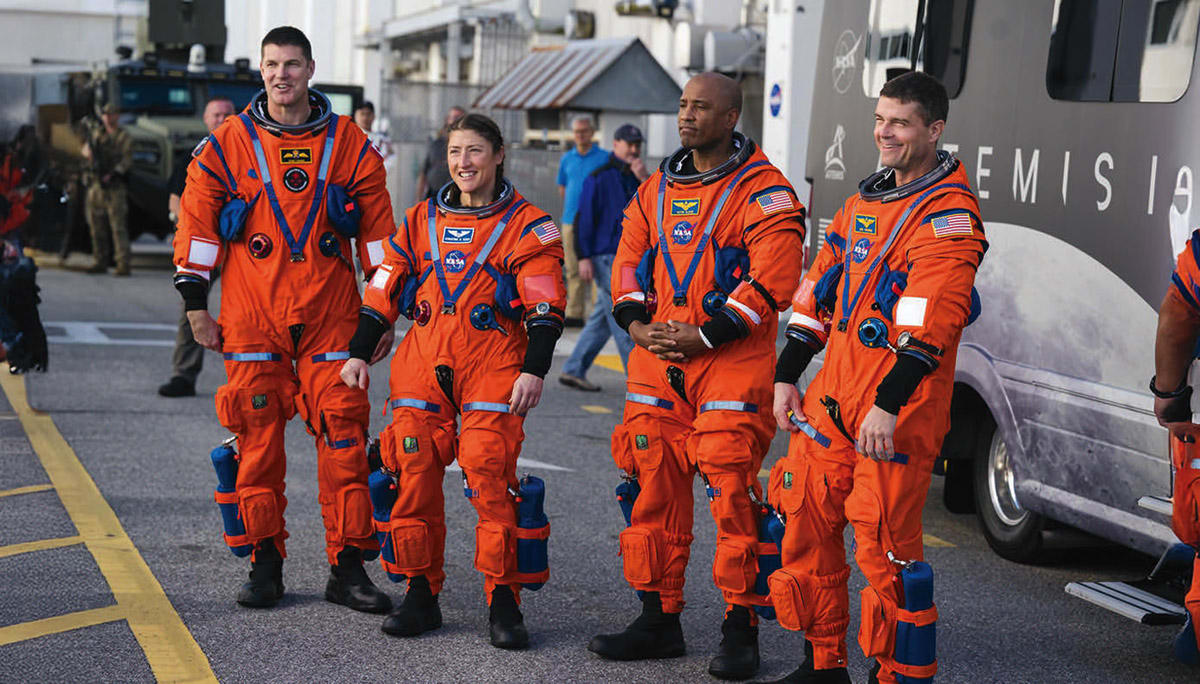
Engineers pushed through several challenges during the two-day test and met many of the planned objectives. To allow teams to review data and conduct a second wet dress rehearsal, NASA now will target March as the earliest possible launch opportunity for the flight test. NASA has contingency pad access, so any servicing can now be done out at the pad.
Additional wet dress rehearsals may be required to ensure the vehicle is completely checked out and ready for flight. Currently, the work can be completed out at the launch pad but if needed, NASA may roll back SLS and Orion to the Vehicle Assembly Building for additional work ahead of launch after the next wet dress rehearsal.
Countdown Demonstration

NASA’s launch and mission teams, along with the Artemis II crew, completed a key test on December 20, 2025, a countdown demonstration test, ahead of the flight. The astronauts, supported by launch and flight control teams, dressed in their launch and entry suits, boarded their spacecraft on top of its towering rocket to validate their launch date timeline.
Winding the clock down to a point just before liftoff, the rehearsal enabled NASA teams to practice the exact steps teams will take as they move toward launch of the test flight.
While launch teams in the firing rooms of Kennedy’s Launch Control Center ran through procedures just as they would on launch day, the four astronauts donned their Orion crew survival system spacesuits in the Astronaut Crew Quarters inside Kennedy’s Neil A. Armstrong Operations and Checkout Building.
Although Artemis II teams have performed parts of the launch countdown testing previously, this test was the first full end-to-end rundown with the crew and Orion in the launch configuration. The crew will participate in additional countdown testing focusing on emergency operations, now that the rocket is at the launchpad.
Integrated Research Campaign
Jacob Bleacher, Chief Exploration Scientist, Exploration Systems Development Mission, provided an overview of the mission’s integrated research campaign: “There will be a number of firsts that we will be proving out on this test flight,” he said, adding that the Artemis II integrated research campaign involves activities around biology, human research, space weather research, and planetary geology. The findings will help NASA optimize time in future missions.
Bleacher talked about the payload called AVATAR (A Virtual Astronaut Tissue Analog Response) — an investigation that will use organ-on-a-chip devices, or organ chips, to study the effects of deep space radiation and microgravity on human health.
“AVATAR enables us to mimic individual astronaut organs and Artemis II will mark the first time these types of devices have been tested outside the Van Allen Belts away from the ISS. We will use these Astronaut’s AVATARS as tools for measuring and predicting our response to deep space environment,” he said.
For NASA, this research could provide critical information about how the unique conditions of space affect human cells and enable tailored approaches to astronaut healthcare on future missions. For other government agencies and health organizations, AVATAR could contribute to advancements in safer and faster drug testing, as well as personalized medicine on Earth.
Another payload is called ARCHER (Artemis Research for Crew Health and Readiness). “For this study, crew members will wear movement and sleep monitors before, during, and after the mission. These wristband monitors will enable us to study real-time health and behavioral information about crew members and help scientists study how their movement and sleep patterns affect their health individually and as a team throughout the mission. It will also measure a set of immune biomarkers,” said Bleacher.
Four international CubeSats will also be deployed, he added. “Argentina, Germany, Korea, and Saudi Arabia are taking the opportunity we have with Artemis to fly their CubeSats with their own goals. Essentially all CubeSats will be conducting complementary space weather measurements to the work NASA is doing,” said Bleacher.
Bringing the Crew Home Safely
As the agency prepares for its first crewed mission beyond Earth orbit in more than 50 years, NASA expects to learn along the way, both on the ground and in flight, and will let the readiness and performance of its systems dictate when the agency is ready to launch.
“The crew has undergone all their final training and is ready to get on with the mission,” said Jeff Radigan, Artemis II Lead Flight Director, Flight Operations Directorate, during the January 16 news conference.
“After liftoff, the boosters and core stage will propel the spacecraft into orbit. Orion will then separate, deploy its solar arrays, and conduct a ‘Proxops demo’ where the crew will pilot the spacecraft around the upper stage. That will give us data to ensure we can dock on future flights,” said Radigan.
“The journey to the Moon will take three days, followed by a day of lunar observation, including views of the Moon’s far side, some of which may have never been seen by human eyes. The return trip also takes three days, culminating in re-entry where the crew module will be protected by a heat shield and slowed by parachutes,” he said.
“Our main job is to bring the crew home safely,” Radigan reiterated.
With March now as the potential launch window, teams will fully review data, mitigate each issue, and return to testing ahead of setting an official target launch date.
Sources:
www.nasa.gov/2026-news-releases
This article was written by Chitra Sethi, Editorial Director, SAE Media Group. For more information about NASA’s Artemis campaign, visit here .











