-1
30
30
5 Ws: Sensors/Data Acquisition
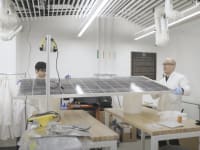
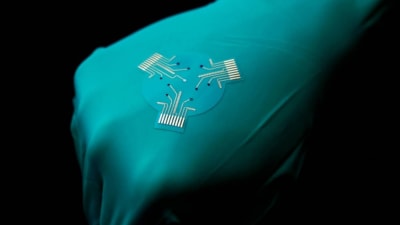
A new kind of smart bandage developed at Caltech may make treatment of chronic wounds easier, more effective, and less expensive.
5 Ws: Robotics, Automation & Control
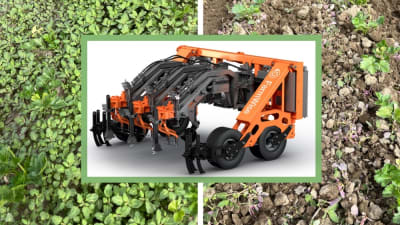
MIT alumnus-founded FarmWise uses autonomous machines to snip weeds while preserving crops, eliminating the need for herbicides.
5 Ws: AR/AI
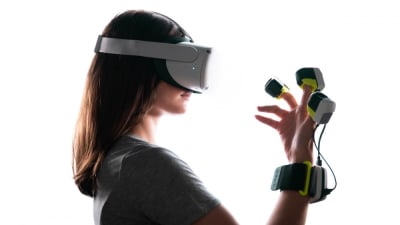
A haptic device provides finger tracking as well as textures, forces, heat, and cold in extended or mixed reality.
5 Ws: Design
A team of researchers at University of Houston have developed a deicing spray in which detachment can be accurately controlled and accelerated.

5 Ws: Materials
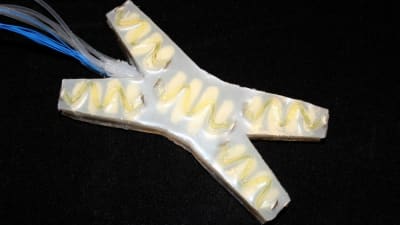
A team of researchers at Cornell Engineering has developed a soft robot that can detect when and where it was damaged — and then heal itself on the spot.
5 Ws: Medical
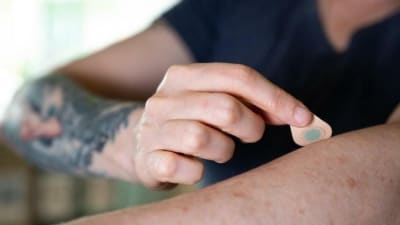
Researchers at the Georgia Institute of Technology have developed low-cost, painless, and bloodless tattoos that can be self-administered and have many applications.
5 Ws: Sensors/Data Acquisition
A team at KTH Royal Institute of Technology has developed a new 3D printing technique that could be used to produce customized chip-based microelectromechanical systems (MEMS).

5 Ws: Green Design & Manufacturing
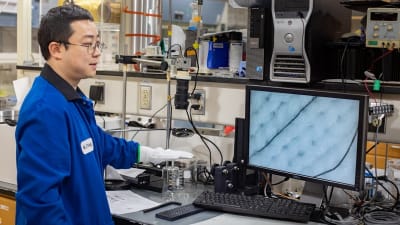
A group of University of Texas at Dallas researchers have invented energy-harvesting yarns made from carbon nanotubes that produce electricity when repeatedly stretched.
5 Ws: Power
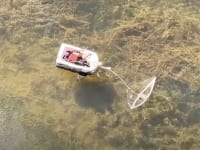
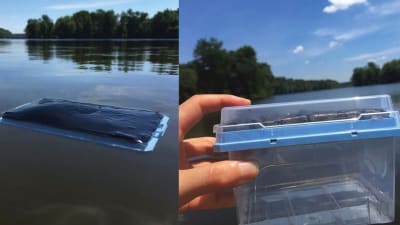
Researchers at University of Cambridge have developed floating “artificial leaves” that generate clean fuels from sunlight and water and could eventually operate on a large scale at sea.

5 Ws: Green Design & Manufacturing
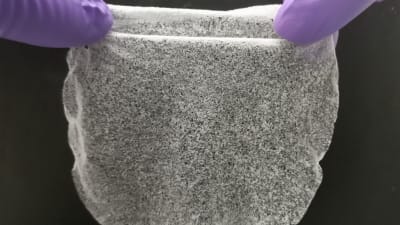
Researchers at The University of Texas, Austin, developed a low-cost gel film made of abundant materials that can pull drinkable water from the air in even the driest climates.
5 Ws: Green Design & Manufacturing
As concerns rise about methane, a CU startup is working toward plugging the leaks.
5 Ws: Unmanned Systems
Who
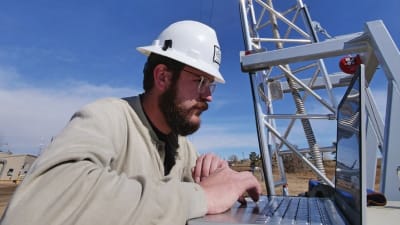
A fully automated net positive submarine fleet, powered entirely on hydrogen, could help cleanse the oceans of toxic pollution. Developed by London-based startup Oceanways, the submarine was named among the...

5 Ws: Electronics & Computers
Wireless sensors inspired by Dandelions could be used to monitor climate change.

5 Ws: Manufacturing & Prototyping
A newly designed wearable magnetic metamaterial could help make MRI scans crisper, faster, and cheaper.

5 Ws: Energy
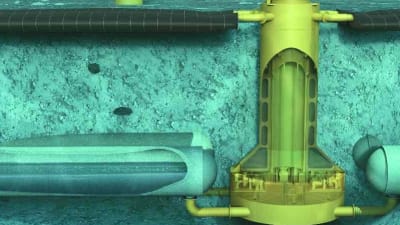
Learn the Who, What, Where, Why, and When for an ocean battery that holds onto excess energy from offshore wind farms.
5 Ws: Sensors/Data Acquisition
Imagine a tablet or Kindle that can display braille on command for the visually impaired.
5 Ws: Energy
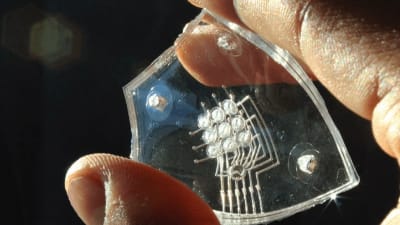
About the size of a grain of sand, the flying microchip (or microflier) does not have a motor or engine.

5 Ws: Energy
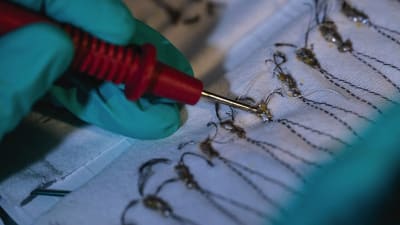
Fibers sewn into fabrics can turn heat from the Sun into energy that could power textile electronics.
5 Ws: Wearables
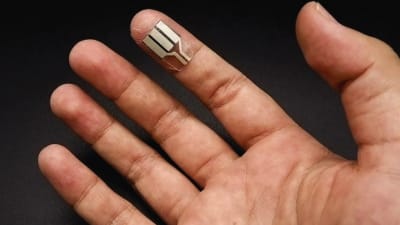
The wearable device turns the touch of a finger into a source of power for small electronics and sensors.
5 Ws: RF & Microwave Electronics
Who
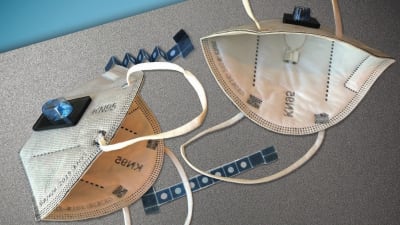
The SARS-CoV-2 virus that causes COVID-19 is still a major threat to public health. Wearing a facemask is a step in protecting against infection; the new facemask also diagnoses the wearer with COVID-19.
5 Ws: Materials
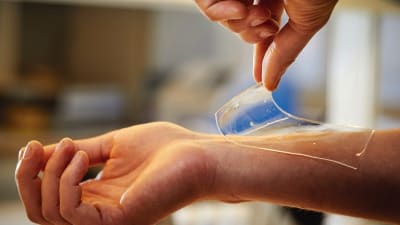
The durable soft electronics could be used in wearable electronics and soft robotics and could someday be part of a stretchable smartphone.

5 Ws: Packaging & Sterilization
A specially designed hydrogel works against all types of bacteria, including antibiotic-resistant ones.
5 Ws: Green Design & Manufacturing
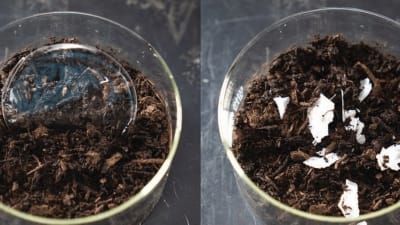
A new enzyme-activated compostable material could diminish microplastics pollution.
5 Ws: Mechanical & Fluid Systems
The invention could help solve the problem of providing clean water off the grid or where low-cost, non-powered water purification is needed.
5 Ws: Sensors/Data Acquisition
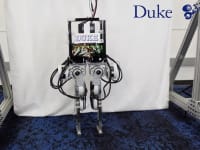
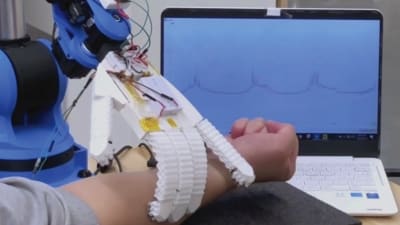
A research team programmed two robots — a humanoid figure and a robotic arm — to measure human physiological signals.
5 Ws: Materials
A medical patch can be folded around minimally invasive surgical tools and delivered through airways, intestines, and other narrow spaces.

5 Ws: Sensors/Data Acquisition
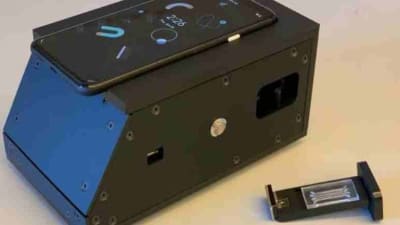
With a smartphone camera, a new diagnostic test provides a positive or negative COVID-19 result in 15 to 30 minutes.
5 Ws: Materials
The battery can be used in flexible, stretchable electronics for wearables as well as soft robotics.

5 Ws: Sensors/Data Acquisition
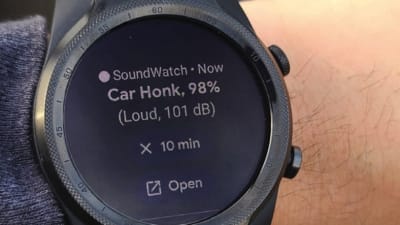
The smartwatch app identifies sounds that a user is interested in and sends a friendly buzz and information about the sound.
Top Stories
 Blog: Lighting

A Stretchable OLED that Can Maintain Most of Its Luminescence
 Blog: Energy

Batteries that Can Withstand the Cold
 INSIDER: Energy

Advancing All-Solid-State Batteries
 Quiz: Energy

 Blog: Physical Sciences

 Blog: Materials

Webcasts
 Upcoming Webinars: Test & Measurement

From Spreadsheets to Insights: Fast Data Analysis Without Complex...
 Upcoming Webinars: Electronics & Computers

Cooling a New Generation of Aerospace and Defense Embedded...
 Upcoming Webinars: Test & Measurement

Beyond AI-Copy-Paste Engineering: Advanced AI-Integration Success...
 Upcoming Webinars: Automotive

Battery Abuse Testing: Pushing to Failure
 Upcoming Webinars: Internet of Things

A FREE Two-Day Event Dedicated to Connected Mobility
 Upcoming Webinars: Test & Measurement

Choosing the Right N-Port Strategy: Multiport VNAs vs. Switch...