Inside this issue
Supplements
Overview
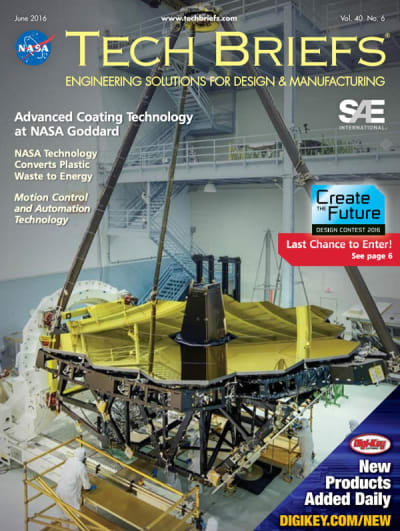
The June 2016 issue of NASA Tech Briefs presents a wealth of information on cutting-edge technologies and innovations stemming from NASA's research and development efforts. This edition highlights significant advancements in various fields, including motion control, automation, and sensor technologies, showcasing how these innovations can be applied across different industries.
One of the key features of this issue is the exploration of NASA's initiatives aimed at addressing environmental challenges. A notable article discusses NASA's groundbreaking work in converting plastic waste into energy. This innovative approach not only tackles the growing problem of plastic pollution but also provides a sustainable energy source, demonstrating NASA's commitment to environmental stewardship and resource management.
In addition to environmental technologies, the issue delves into advanced coating technologies developed at NASA Goddard. These coatings are designed to enhance the durability and performance of materials used in aerospace applications. The article outlines the properties of these coatings, including their resistance to extreme temperatures and corrosive environments, which are critical for the longevity and reliability of spacecraft and other aerospace components.
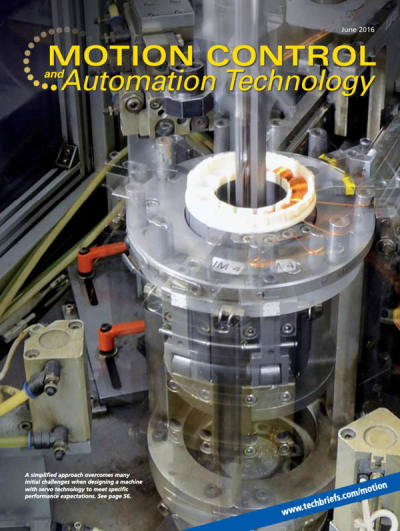
The magazine also features insights into motion control and automation technologies that are transforming manufacturing processes. With the rise of Industry 4.0, the integration of smart technologies into manufacturing is becoming increasingly important. Articles in this issue discuss the latest advancements in robotics, artificial intelligence, and machine learning, which are enabling more efficient and flexible production systems. These technologies not only improve productivity but also enhance the quality of products, making them more competitive in the global market.
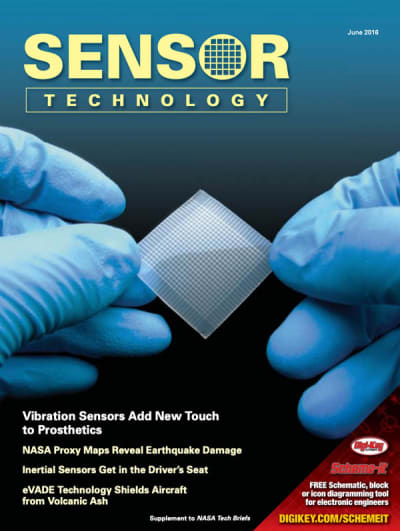
Sensor technologies are another focal point of this issue. The magazine highlights the development of advanced sensors that can monitor various parameters in real-time, providing critical data for decision-making in industries such as aerospace, automotive, and healthcare. These sensors are designed to be more accurate, reliable, and cost-effective, paving the way for smarter systems that can respond dynamically to changing conditions.
Furthermore, the issue includes a section dedicated to the latest trends in photonics and imaging technology. This segment covers innovations in laser technology, optical sensors, and imaging systems that are revolutionizing fields such as telecommunications, medical diagnostics, and environmental monitoring. The advancements in photonics are enabling faster data transmission, improved imaging capabilities, and enhanced detection methods, which are essential for a wide range of applications.
The magazine also features profiles of key individuals and organizations contributing to these technological advancements. Interviews with leading researchers and engineers provide insights into their work and the impact of their innovations on society. These profiles not only highlight the achievements of these individuals but also inspire the next generation of scientists and engineers to pursue careers in STEM fields.
In addition to the technical articles, the issue includes a variety of resources for readers interested in further exploring the topics covered. The magazine provides links to additional information, including technical papers, webinars, and industry events, allowing readers to deepen their understanding of the technologies discussed.
Overall, the June 2016 issue of NASA Tech Briefs serves as a comprehensive resource for professionals, researchers, and enthusiasts interested in the latest developments in technology and engineering. By showcasing NASA's innovative projects and the collaborative efforts of various organizations, the magazine emphasizes the importance of research and development in addressing global challenges and advancing human knowledge.
In conclusion, this issue not only highlights the remarkable achievements of NASA and its partners but also serves as a reminder of the potential of technology to drive positive change in the world. As we continue to face complex challenges, the innovations presented in this magazine offer hope and inspiration for a sustainable and technologically advanced future.
Features
-
Application Briefs
Control Solutions Synchronize Operation of Space Launch System Heavy Transporters
Tech Briefs
-
Test & Measurement
Laser Architecture and Atomic Filter for Daytime Measurements Using Spaceborne Sodium Lidar
Rangefinder for Measuring Volume of Cryogenic or Caustic Turbulent Fluids
-
Physical Sciences
-
Machinery & Automation
-
Software
Predicting Magnetospheric Relativistic >1 MeV Electrons
Optimal Prioritized Actuator Allocation
Error Budget for Pointing at Surface Features From Close Range
Traceable Automation with Remote Display and Interruptible Scheduler Version 1.04.0
Java Pathfinder (JPF) Core System
Single Doppler Retrieval Toolkit (SingleDop)
Computing Efficient Onboard Analysis and Re-Scheduling
Tool for Rapid Analysis of Monte Carlo (TRAM) Simulation Data
-
Materials
Multifunctional Ablative Thermal Protection System
Hierarchical Support for Nanocatalysts
Control of Carbon Nanotube Density and Tower Height in an Array
-
Mechanics & Machinery
Launch Tie-Down and Release Mechanism for CubeSat Spacecraft
Ratcheting Threaded Tapered Collet for use in Planetary Sample Caching Systems
-
Electronics & Computers
Integrated Circuit for Radio Astronomy Correlators Supporting Large Arrays of Antennas
-
Propulsion
Testing Aircraft Electric Propulsion Systems on NASA’s Modular Stand
Burnable-Poison-Operated Reactor Using Gadolinium Loaded Alloy
Products
-
Briefs
Airborne Elastic Backscatter and Raman Polychromator for Ash Detection
Intelligent Displacement Sensor Deployment Using MTConnect Protocol over Ethernet
-
Articles
Making Sense from Sensors: How to Build a Sensor Fusion Engine
-
Applications
-
Products