

Medical Sensors & Wearables - August 2020
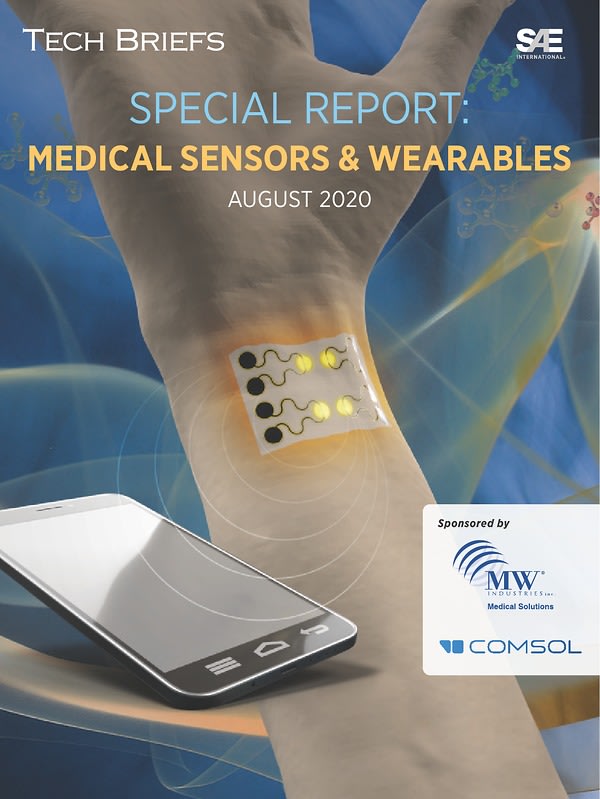
The wearable medical device market is expected to reach nearly $20 billion by 2025, driven by advances in sensor technology. This compendium of recent articles from the editors of Medical Design Briefs magazine looks at the latest biosensor innovations and the future of mobile, connected healthcare.
Don't have an account?
Overview
The Special Report on Medical Sensors & Wearables from August 2020 presents a comprehensive overview of the latest advancements in wearable medical technology, highlighting innovative designs, sensor technologies, and the integration of user-friendly features to enhance patient experience and health monitoring.
The report begins by addressing key considerations for designing wearable medical devices, emphasizing the importance of user-centered design. It discusses how understanding the target audience's needs can lead to more effective and accessible products. This includes considerations for different age groups, where younger patients may prefer digital tutorials while older patients might favor physical guides.
One of the standout innovations featured is the use of 24 GHz Doppler radar sensors for noncontact human vital signs detection. This technology allows for continuous monitoring of vital signs without the need for physical contact, which can be particularly beneficial in reducing the risk of infection and improving patient comfort.
The report also highlights the Zio Heart Patch, a next-generation cardiac monitoring device that enhances patient experience through improved design and functionality. The Zio Patch is designed to be more approachable for patients, with a focus on providing clear instructions and support throughout the monitoring process.
Another significant advancement discussed is an implantable biosensor that operates without batteries, showcasing the potential for long-term health monitoring without the need for frequent device replacements or recharging. This innovation could revolutionize how chronic conditions are managed, providing continuous data to healthcare providers.
The report features a wearable sensor powered by AI that predicts worsening heart failure before hospitalization. This device enables early detection of changes in a patient's condition, allowing for timely interventions that could prevent hospital readmissions. The study behind this technology emphasizes the critical role of remote monitoring in managing heart failure, a condition affecting millions of Americans.
Additionally, the report covers a wearable gas sensor that enhances sensitivity through a self-heating mechanism, improving its effectiveness for environmental and health monitoring. This advancement is particularly relevant in the context of increasing concerns about air quality and its impact on health.
The development of electronic skin-integrated haptic interfaces is also highlighted, showcasing a collaboration between City University of Hong Kong and other institutions. This technology aims to provide users of prosthetics with a sense of touch, enhancing their interaction with the environment and improving the overall functionality of prosthetic devices.
Throughout the report, the importance of a consistent and supportive user experience is emphasized. The integration of clear communication, whether through digital platforms or printed materials, is crucial in helping patients feel empowered and informed about their health management tools.
In conclusion, the Special Report on Medical Sensors & Wearables presents a snapshot of the rapidly evolving landscape of wearable health technology. It underscores the potential of these innovations to transform patient care, improve health outcomes, and enhance the overall experience of managing health conditions. As technology continues to advance, the integration of user-friendly designs and effective monitoring solutions will play a pivotal role in the future of healthcare.











