


Among the many components that have characterized the transition to Industry 5.0 and the Factory of the Future are advanced controls, which serve as the operational heartbeat for modern manufacturing. As their digitalization and development evolve, so too does the adoption of more open ecosystems in which end-users can operate. Being able to communicate effectively with a variety of application-based solutions that optimize processes is a growing priority, and it’s only through these open platforms that this new way of managing operations can truly flourish. As such, end-users who embrace this integrated and open method of control are better positioned to respond to the shifting consumer needs of tomorrow.
How Did We Get Here
The trend toward open automation is measured equally as a departure from the closed, monolithic control networks that had long been the industry standard. With the integration of advanced digital technology came a supplemental responsibility for a control system to support it. Previous closed systems had a difficult time with scalability, which limited expansion and hindered the flexibility needed to respond to market needs. Older controls also didn’t communicate effectively with third-party solutions. If end-users tried to add hardware or software that wasn’t from the original control supplier, there was a potential for miscommunication and frustration that could negatively impact throughput goals. Finally, older controls weren’t efficient stewards and providers of real-time data, which has only grown in importance when monitoring and managing individual processes and overall production.

A key factor contributing to the acceptance of open control platforms as an alternative to closed systems has been security. Having an operating system that utilizes Linux — widely accepted as the most secure option — allows for seamless interoperability among solutions while protecting the exchange of information within a digital landscape. That exchange is brokered in a secure data layer, which is foundational to the success of open systems and the apps that are leveraged within it. Combine that secure software with equally robust hardware components like chipsets that allow for encryption and authentication plus redundancies with ethernet and USB capabilities, and the framework for a secure open control landscape has been created.
App-Based Approach
The most attractive part of an open system is the ability to integrate a seemingly endless number of apps that can control various aspects of production, similar to the smart-phones we use daily. Just like our social media, banking, shopping, or entertainment preferences are catered to through a variety of apps, so too are the various aspects of modern manufacturing. If they can communicate with the core operating system and data layer established above, the use cases are extensive.
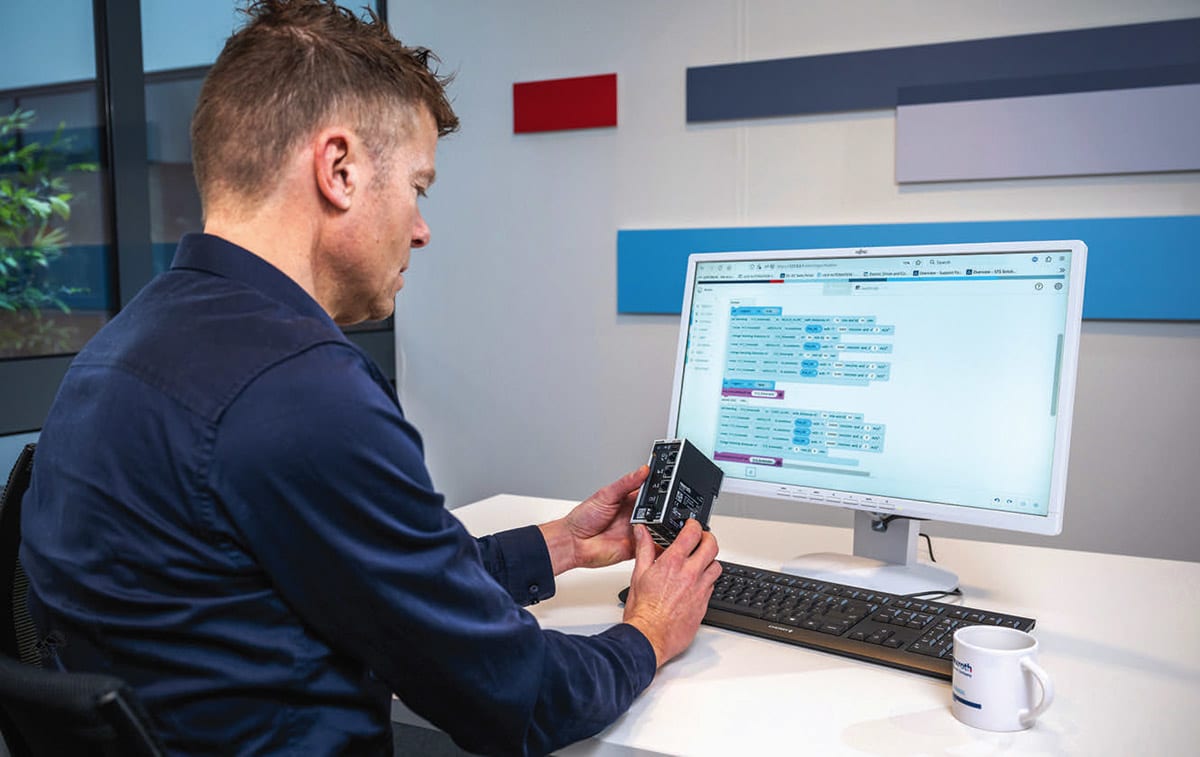
A key example is scalability as apps are crucial in throttling production up or down, especially those that are either low code or no code, which are especially useful in reducing the speed to market and in greenfield applications. The faster end-users can identify the correct apps for their processes and implement them into their control platform, the quicker they can adjust their production to meet shifting demands. Apps are also incredibly helpful for remote access. There are VPN and firewall apps that are being used by larger end-users who need comprehensive monitoring and control from an off-site location.
The marketplace for apps remains an evolving landscape, and end-users within manufacturing need to proactively approach their development to leverage both new and existing apps that can help optimize processes. One of the best examples of that is in vision systems, which help end-users with tasks like object detection, quality inspection, and bin picking. The information that’s being sent through the app to the user can provide critical information to help a system learn to identify flaws and reduce scrap.
For instance, HD Vision Systems’ camera drivers capture information about an object, including a timestamp. The information is fed through a high-performance PC that runs an AI/ML training model and notes if there are any flaws with the object. The model in the PC can then produce an open neural network exchange (ONNX) file, a standard format provided to the open platform operating system, to identify and manage object detection. It’s representative of a machine-learning application that is becoming more prevalent in quality control efforts throughout manufacturing.
Managing Maintenance

Of parallel importance to ensuring products are being created correctly is maintaining the solutions that make that production possible. Preventative and predictive maintenance are at the forefront of many operators’ minds as they try to identify issues before they impact operations. Apps that are integrated into the operating system play a key role in achieving that objective as they relay key information in real time. One example is InfluxDB, which is a time-series database that provides information over a designated period and includes notifications when there are issues within production. Managing maintenance data is optimized within apps, which provide critical information regarding performance metrics and reveal any problems. Because apps are tailored to a specific portion of the process, maintenance issues can be isolated and handled singularly, without disrupting other components of the process, a benefit that isn’t typically experienced in close control systems.
A practical example of monitoring maintenance data can be seen with Wittenstein and applications that integrate their gearboxes with cynapse® technology. They are leveraging an open control platform to optimize operations, including proactively monitoring the gearboxes in a production environment. Integrated sensors within the gearbox track various data points, including temperature and vibration to ensure quality control is maintained and throughput goals are met.
Maintenance is a multi-faceted component of app-based integration and the future includes potential third-party monitoring through a central platform, which further illustrates the collaborative nature of open control.
The Future is Here
As the app marketplace continues to grow, so too will the possibilities for end-users to customize the solutions they leverage to optimize processes. Inevitably, there will be regulations and standards that manufacturers will have to abide by as it pertains to those solutions, including the Cyber Resiliency Act, which has been adopted in Europe. For manufacturers, this legislation will define the risk assessments and product lifecycle maintenance requirements to ensure the highest level of cybersecurity for digital solutions and connected devices, whether it’s hardware or software. Measures like this will help safeguard digital technology which is fast becoming the norm within modern manufacturing.
While there may be some manufacturers who are hesitant to transition to a more open control landscape for fear of abandoning a proven method of operation, it’s clear that a collaborative approach through apps is the future. They allow for highly customized processes that are managed and monitored through optimized apps, which ultimately help promote efficient operations that can be scaled to respond to shifting customer needs.
This article was written by Dave Boeldt, Product Manager, Bosch Rexroth (Charlotte, NC). For more information, visit here .











