

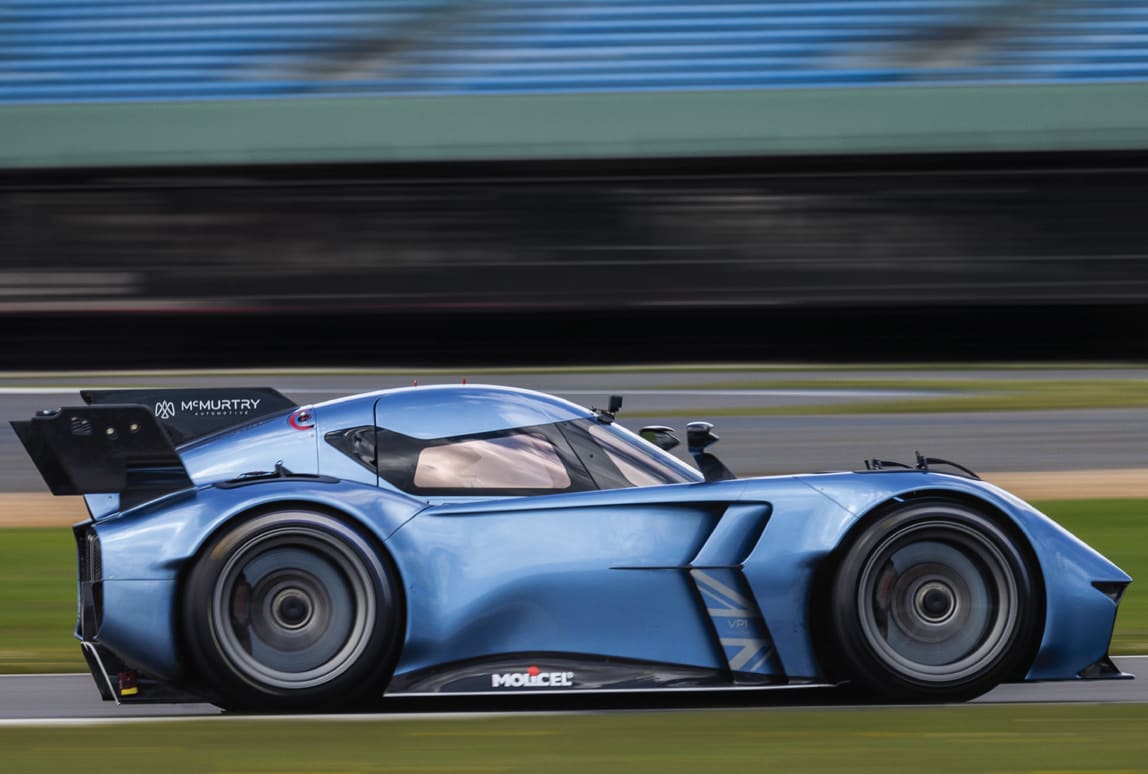
In today’s electric age, the definition of ‘high-performance’ is being rewritten, courtesy of electric sports cars, supercars, and hypercars pushing limits that were once thought impossible to reach. Even Formula 1, quite surprisingly to many, has embraced electrification by integrating hybrid electric systems at the pinnacle of motorsport. Every jaw-dropping 0 to 60 mph time or record-breaking lap is backed by a battery system engineered with precision. Increasingly that precision is driven by simulation technology.
Simulation in battery development has emerged as a revolutionary tool, equipping engineers with the means to design high-performance electric vehicles faster, more efficiently, and at lower cost. By combining advanced software with accurate electrochemical data, automakers can now develop and optimize battery systems in a virtual environment, leading to reduced risk, shorter development cycles, and vehicles that reach the road and the track sooner.
The work that About:Energy did with McMurtry Automotive is an example of how effective battery simulation can be. It’s safe to say that the seasoned team has somewhat stunned the world with its Spéirling hypercar, achieving 0 to 60 mph in just 1.4 seconds during a record-setting run at the Goodwood Festival of Speed in 2022. But beyond the headline-grabbing performance, the most impressive feat may be what happened behind the scenes: using cutting-edge battery simulation tools, McMurtry compressed a months-long battery pack design process into just a few weeks, which represented a reduction of more than 70 percent.
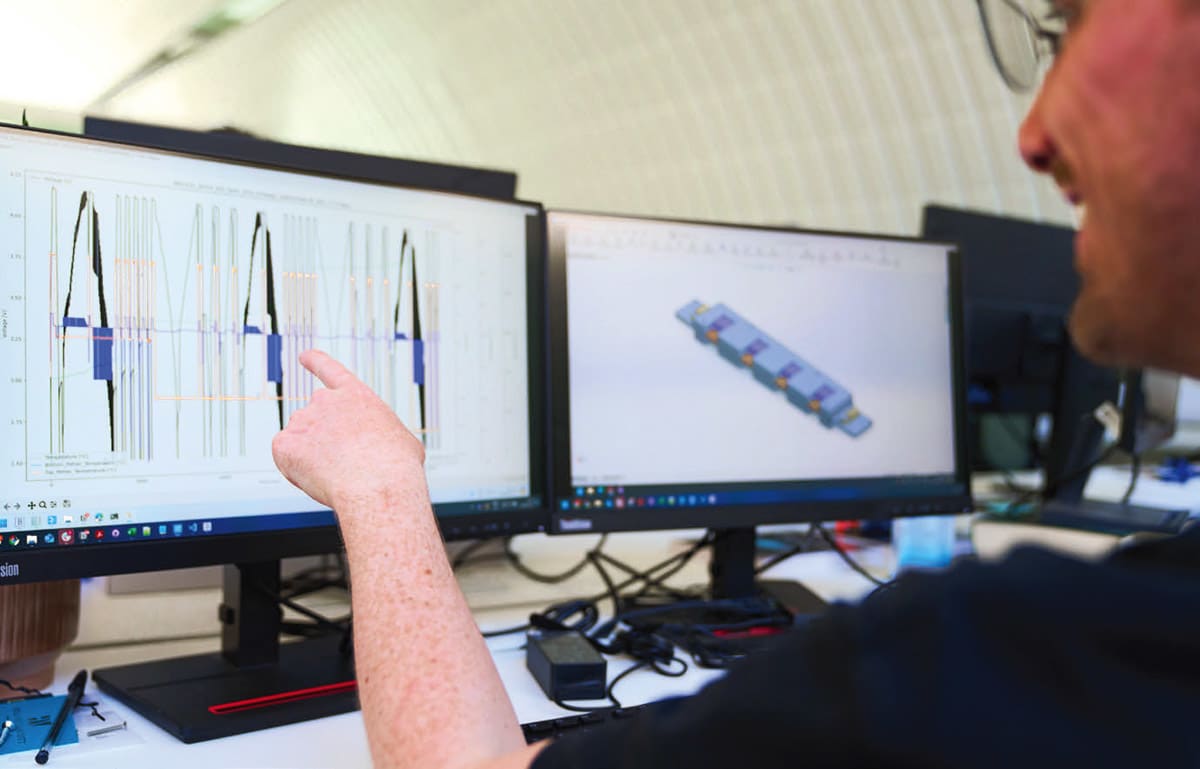
High-performance EVs like the Spéirling must contend with higher physical demands and loads than more conventional, road-going electric vehicles. They must withstand extreme acceleration, rapid discharge and recharge cycles and continuous high thermal loads, all of which are conditions that place immense stress on the battery’s cells and systems. Meeting those demands requires a greater degree of confidence and precision in the development phase, and simulation offers exactly that.
McMurtry’s engineering team set out to build a battery system that could deliver maximum power while staying within safe thermal and electrical limits. Their goal was to synchronize temperature and state of charge (SoC) so both approached their operational thresholds at the same time. Achieving that delicate balance meant simulating thermal and electrical behavior early in development, which is important to achieve before committing to costly prototypes. With simulation, they could model and refine system behavior under stress, enabling peak performance on track with minimal downtime.
Cell Choice Matters
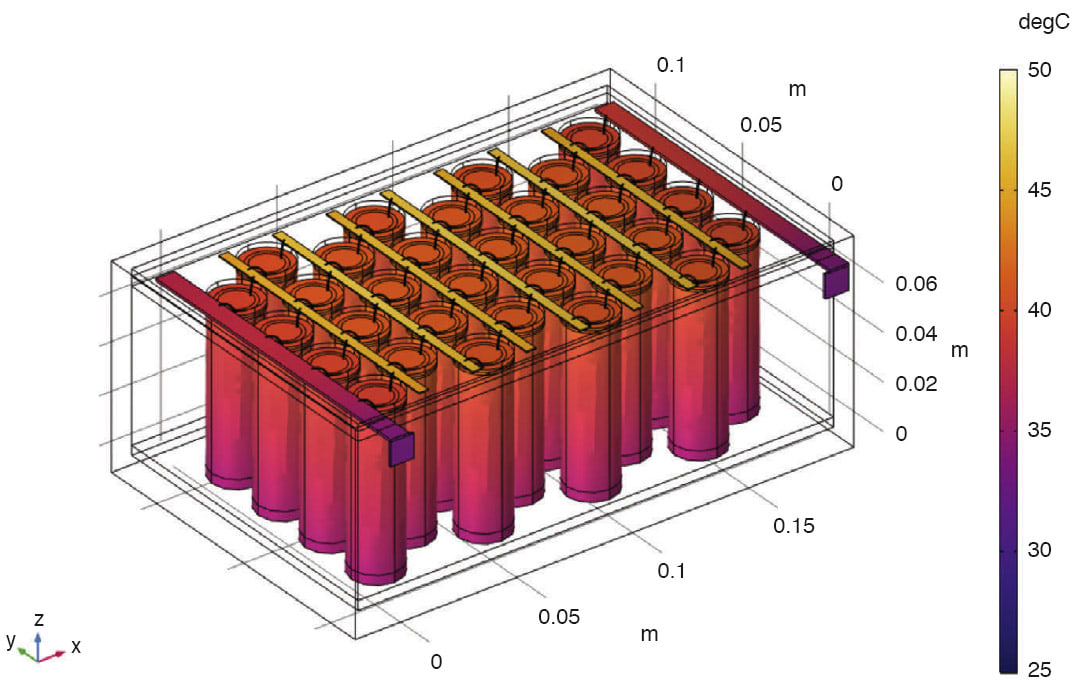
One of the foundations of this success was their choice of battery cells. McMurtry used Molicel’s P50B, a high-performance cell known for its rare combination of high energy density and low internal resistance. In high-power applications, internal resistance is a critical factor, as it determines how much heat is generated when the battery is pushed hard. Many high-capacity cells generate too much heat to be viable in a racing context, but the P50B’s low resistance made it an ideal candidate in this instance.

Simulation allowed McMurtry to integrate the P50B into the car’s architecture rapidly. Engineers could virtually test cooling systems, battery lifetime and charging strategies without building a single physical component. A virtual-first approach like that helped optimize both the battery pack and the vehicle’s entire energy management system.
A simulation is only as good as the data that informs it, so accuracy is integral to its success. That is why high-fidelity battery models, developed from detailed electrochemical teardowns and extensive real-world testing, are so valuable. These models enable precise predictions of battery performance under a wide range of operating conditions, including extreme ‘use and abuse’ scenarios typical in racing and other high-stress environments.
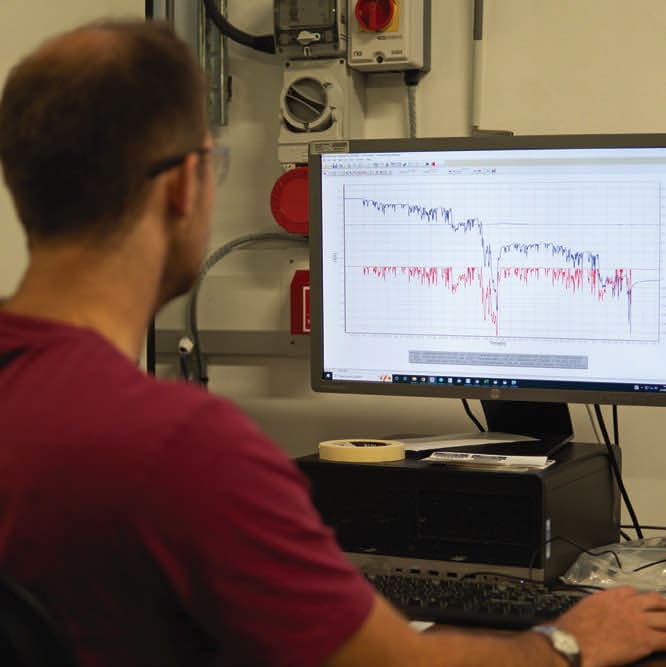
McMurtry’s team integrated these advanced models into their workflow, running detailed thermal, lifecycle, and performance simulations. The accuracy was so high that results could be directly compared with real-world track data. This tight feedback loop allowed rapid, data-driven refinement of prototype designs, shortening development time and increasing confidence in the final product.
More Simulations in More Places
While simulation is a powerful tool for unlocking value in battery development, it remains underused across much of the industry. Companies like McMurtry, with a long history in motorsport, have been able to harness these advanced tools thanks to their deep in-house expertise. About:Energy is helping change that. By lowering the barriers to entry and simplifying access to high-fidelity models, companies working in the automotive, aviation, drone, and space sectors can now bring simulation into their development process much earlier, leveling the playing field and accelerating innovation.
This shift matters. The ability to explore a broader design space in a virtual environment is transforming the way engineers work. It allows teams to test new concepts, materials, and cell chemistries without committing to physical prototypes. That is a gamechanger for smaller, agile companies like McMurtry, which often operate under tight budget and time constraints. Virtual testing gives them the ability to move faster, reduce risk and compete with far larger manufacturers.
The impact goes far beyond the racetrack. Battery simulation is helping teams make smarter decisions on fast charging, thermal management and system safety. It supports faster integration of new cell formats and chemistries, which is critical in a field where innovation cycles are only accelerating.
What was once a specialized capability is now becoming a cornerstone of modern EV development. Simulation delivers speed, accuracy, and flexibility — qualities that are essential to staying competitive in advanced electrification.
For companies leading the charge, simulation is more than a tool. It is a strategic enabler, turning bold ideas into high-performance machines that are redefining what electric vehicles can achieve. As the industry continues to evolve, simulation will remain a vital force, empowering engineers to push the limits of battery technology and bring the future closer, faster.
Kieran O’Regan is Co-Founder and Chief Growth Officer at About:Energy (London, United Kingdom). For more information, visit here .











