Figure 1 depicts a compact enclosure enabling the operation of personal-computer (PC)-based electronic circuits in harsh environments. The electronic circuits in question are commercial off-the-shelf Industry Standard Architecture (ISA) and Extended Industry Standard Architecture (EISA) printed-circuit boards. The enclosure provides electrical connections and mechanical shielding of the boards. The enclosure serves as a shield against radiated electromagnetic interference (EMI) between the enclosed boards and any exterior equipment. The enclosure also provides mechanical restraint (with some compression) to enable the boards to withstand shock and vibration.
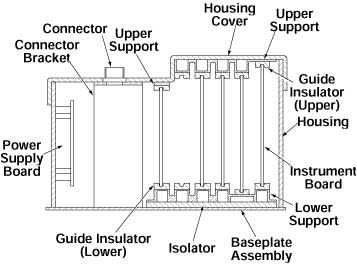
The PC boards are installed in the back plane. The lower guide insulator lower support, and isolator provide support to those parts of the cards that extend beyond bus connectors. The isolator serves as a standoff as well as a vibration damper. The upper guide insulator and support acts in conjunction with the lower support, lower guide insulator, and back plane to slightly compress the cards. The lower and upper supports are designed and fabricated to match the heights of the cards: This approach enables the enclosure to accommodate cards of different sizes; it also minimizes the size of the enclosure by making it only large enough to house the tallest card.
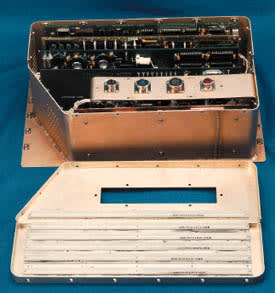
Figure 2 shows a photograph of the prototype version of the flight unit that is part of the voice command system. The unit successfully flew on STS-78. The enclosure with boards passed environmental tests including vibration to 6.1 g(rms).
This work was done by George Salazar and Dena Haynes of Johnson Space Center and Marc Sommers, Hector De Leon, and Eric Kuehnel of Lockheed-Martin. For further information, access the Technical Support Package (TSP) free on-line at www.nasatech.com/tsp under the Electronic Components and Systems category.
MSC-22702