

WHO
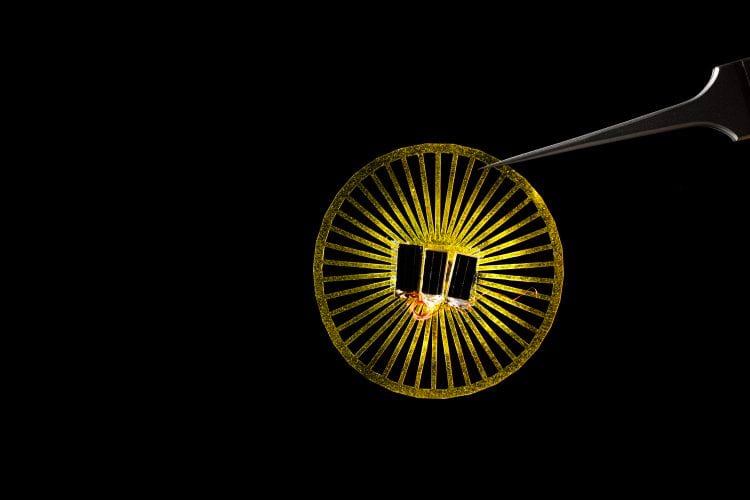
A University of Washington engineering team has drawn inspiration from how dandelions use the wind for seed distribution to develop tiny battery-free devices that could help distribute wireless sensors across large areas.
WHAT
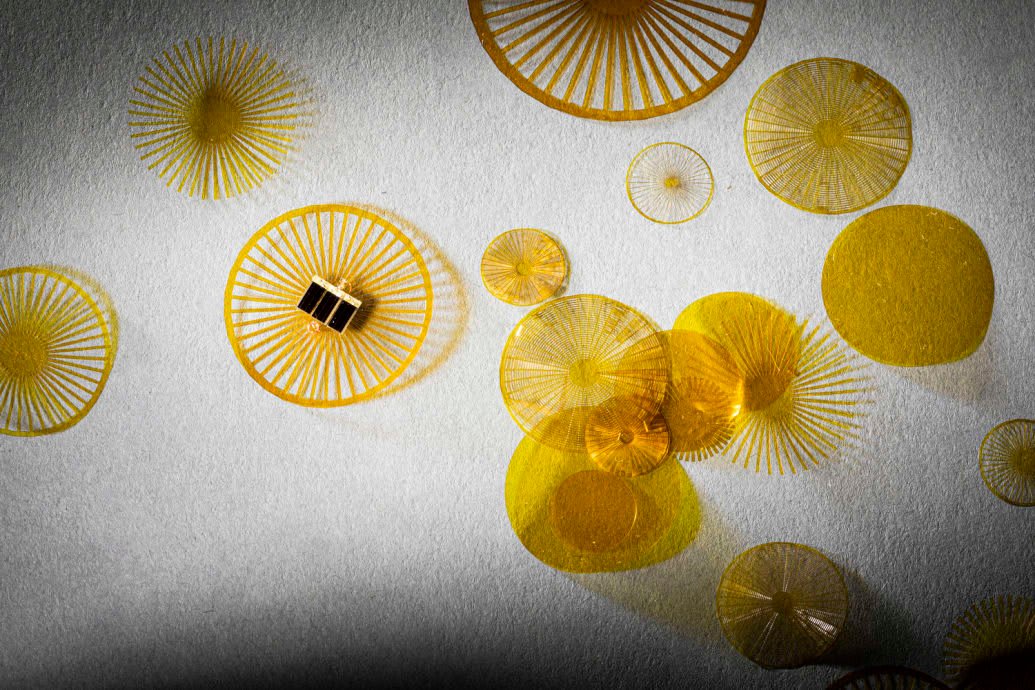
The system is about 30 times as heavy as a 1 milligram dandelion seed but can still travel up to 100 meters in a moderate breeze, about the length of a football field, from where it was released by a drone. Once on the ground, the device, which can hold at least four sensors, uses solar panels to power its onboard electronics and can share sensor data up to 60 meters away. Because the devices have electronics on board, it’s challenging to make the whole system as light as an actual dandelion seed. The researchers tested 75 designs to determine what would lead to the smallest “terminal velocity,” or the maximum speed a device would have as it fell through the air. To measure how far the devices would travel in the wind, the researchers dropped them from different heights, either by hand or by drone on campus.
WHERE
University of Washington, WA
WHY
The floating sensors could create airborne instrumentation networks and boost applications in environmental monitoring and digital agriculture.

WHEN
The devices shut off when the sun goes down and aren’t biodegradable, so the team is looking into improving this initial design and making them more biodegradable.
For more info contact







