


Since batteries serve as fundamental components of renewable energy systems and electric vehicles (EVs), it’s vital to maintain their efficiency and sustainability for prolonged use. The anode component of batteries significantly depends on graphite for effective production. As worldwide supply networks change dramatically, graphite’s purity and origin control present growing challenges for manufacturing.
Modern rechargeable batteries depend on graphite, given their role in powering lithium-ion batteries, which are now found in everything from smartphones to EVs. However, the international graphite supply has become more complex.
The clean energy transition requires manufacturers to source graphite with high purity and a traceable origin, all while adhering to strict regulatory compliance. Advanced analytical technologies play an instrumental role in ensuring quality standards are met while helping manufacturers navigate alternative sources for graphite supply.
Global Supply and Rising Demand
As the regulatory and trade compliance landscape continues to evolve, graphite sourcing has become increasingly diversified worldwide. However, the rapidly shifting supply chain has made securing high-quality graphite more complex than ever.
The purity and source of graphite are considerations for battery manufacturers as they impact not only the effectiveness of the end product but also adherence to stricter environmental and regulatory guidelines that are increasingly in place.
With a growing number of applications requiring lithium-ion batteries, it has become more important than ever to verify both the quality and origin of the materials utilized in constructing these resources.
The Key Problems: Purity and Provenance Matter
While graphite may seem like a rather simple material — essentially carbon — its role in battery performance is far more intricate than one might expect. The purity of graphite directly impacts the efficiency of the battery, and regulations are expanding to include not only the purity of the material but also its traceability to its origin, particularly in the European region with the introduction of the Battery Passport.
New laws dictate that materials are either mined or synthesized sustainably and that the environmental effects of the materials are minimized. Therefore, the need for transparency in the sourcing of the materials is changing the way manufacturers look at the graphite supply chain.
To meet these challenges, advanced analytical technologies help ensure that graphite meets the purity requirements. Robust analysis and documentation also fulfill the growing regulatory requirements for battery materials sourcing and manufacturing.
Innovative Tools Driving Clean Energy Battery Development
The use of cutting-edge analytical instruments first begins at the mine or manufacturing site where the material is extracted and processed for battery use. Advanced technologies such X-Ray Fluorescence spectroscopy (XRF) and scanning electron microscopy (SEM) are utilized to evaluate the purity of graphite by detecting and measuring defects or contaminants that could impact battery efficiency.
Similarly, inductively coupled plasma mass spectrometry (ICP-MS) helps identify trace elements and impurities in graphite, ensuring its suitability for use in batteries. When it comes to physical properties, methods like X-Ray Diffraction (XRD) are employed to ascertain the crystal arrangement of graphite, impacting its effectiveness as a component.
However, validating purity alone is not enough; analytical tools can also help ensure the traceability of graphite’s sourcing origin. Isotope Ratio Mass Spectrometry (IRMS) is an advanced analytical technique used to measure the ratio of isotopes in a sample, providing a unique “fingerprint” that can help trace the origin of materials like graphite. IRMS can determine whether the material is natural or synthetic and track its journey from extraction in mines to its use in battery manufacturing.
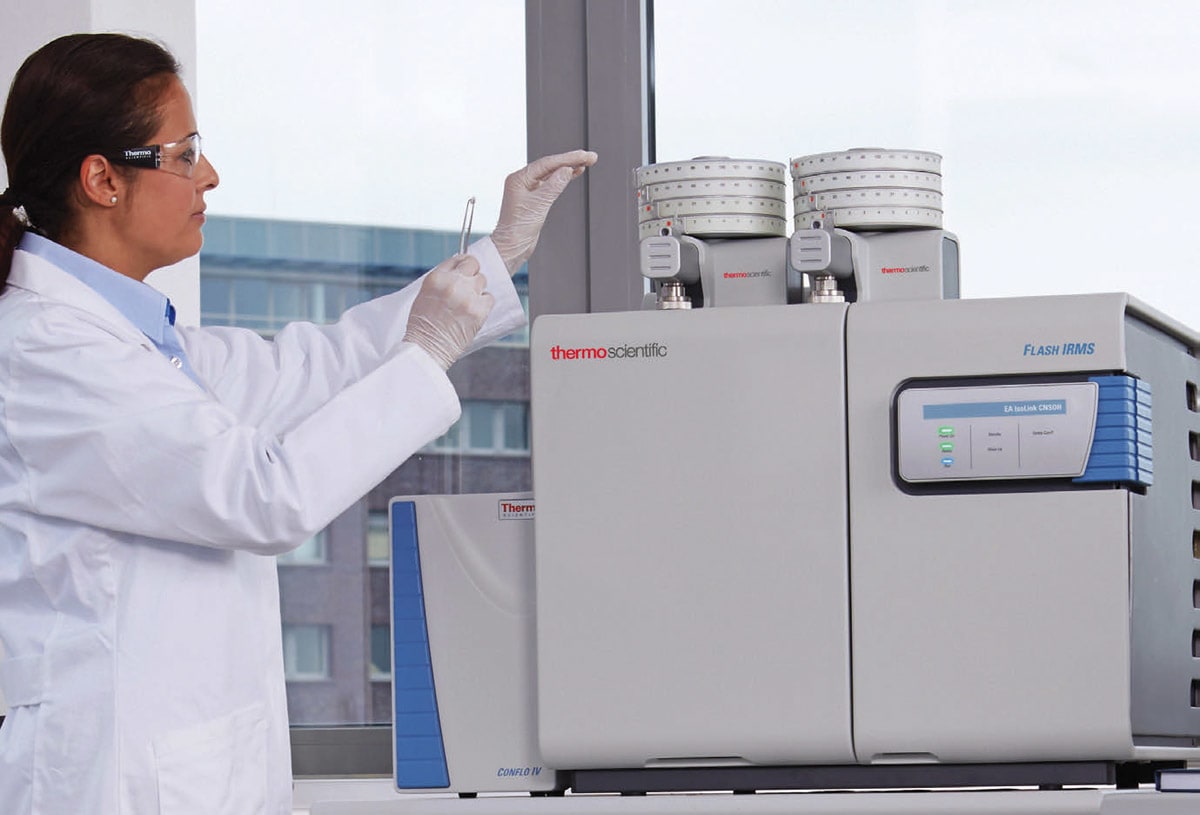
This technology is gaining significant attention from battery manufacturers as regulations evolve, requiring additional traceability of material sources. Tools such as the Thermo Scientific™ EA IsoLink IRMS System facilitate the determination of stable isotopes (C, N, S, O, and H) to facilitate a unique isotopic fingerprint of the graphite that can be matched to the material source.
The Technical Challenge: Purity and Provenance’s Impact on Battery Performance
Analyzing the source of graphite isn’t just essential for regulatory compliance but also can have a more nuanced impact on performance. For instance, graphite sourced from one region, such as Mongolia, and processed in another, like Shanghai, might have a different structure compared to graphite from Canada or other countries.
These differences can lead to different battery performance, especially in high-power consumption applications such as EVs, where battery life and reliability are critical. Given this variability, manufacturers may struggle with quickly finding new suppliers since the materials can be inconsistent, which can affect the formulations used for certain battery architectures.
Regulatory and Compliance Landscape: Meeting the Battery Passport Requirements
The implementation of the Battery Passport in Europe, first in force in August 2023, is currently driving a shift in how battery manufacturers source and document materials. Acting as a digital document that provides information about a battery’s environmental footprint, material origins, durability, repairability, and recyclability, this regulation signifies a shift in how battery producers need to handle material procurement. Battery manufacturers will now have to keep a log of every material employed in their batteries with information on where it came from and when it was produced. This digital record must be auditable and verifiable, ensuring that manufacturers can prove the origin and quality of the materials they use.
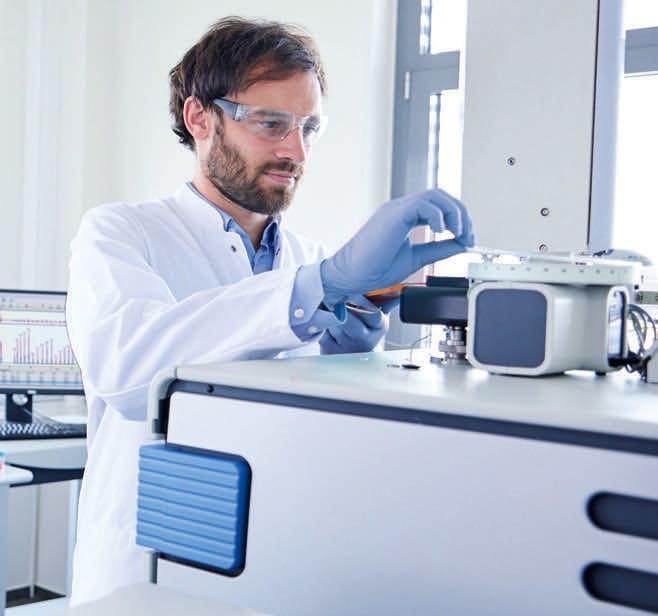
The introduction of the Battery Passport is revolutionizing transparency and sustainability within the battery sector. However, its implementation also presents significant challenges. Ensuring the availability of traceable material data will necessitate battery producers to adopt technologies and methodologies to meet the demands of these fresh regulations. This is where the role of analytical tools, such as IRMS, GC-MS, and LIMS, becomes indispensable.
To fulfill these updated needs effectively and efficiently, tools such as IRMS and Laboratory Information Management Systems (or LIMS) will play a critical role. IRMS will enable manufacturers to confirm the authenticity of their materials, while LIMS will simplify data organization and guarantee access to information during audits and regulatory assessments.
Building a Sustainable and Carbon-Neutral Future
The industry is currently working to keep pace with the expanded applications for energy solutions and the need to ramp up production at scale; these analytical tools play a vital role in paving the way for advanced high-performance batteries for future generations to come. Their importance lies in guaranteeing the quality and performance of materials such as graphite, which are pivotal in propelling the ongoing development and triumph of the clean energy movement. As the industry works toward a sustainable, carbon-neutral future, ensuring the quality and traceability of the materials used in battery production will be key to success.
Collaborating across sectors and keeping up with developments in analysis tools will be crucial as the transition to a more sustainable energy landscape occurs in the future. Embracing these advancements allows businesses to lead the way in the shift towards clean energy by developing high-performance batteries that are responsibly manufactured and align with the regulations shaping the future of energy storage.
This article was written by Kyle D’Silva, Director of Clean Energy, Analytical Instruments at Thermo Fisher Scientific (Fair Lawn, NJ). For more information, visit here .











