


Endoscopic imaging system development requires coordination between various engineering disciplines, especially for optical illumination and imaging engines, particularly when adding fluorescence imaging capabilities. The optical illumination and imaging engines set the foundation for building intuitive and effective imaging products around and become even more critical when adding fluorescence imaging (FI) capabilities to user needs.
FI aids in locating critical anatomy during surgery, using systemic contrasts like ICG and fluorescein, and targeted contrasts like CYTALUX.1 To do this, intraoperative FI requires different — and often opposing — system design considerations when compared to white light endoscopy.2
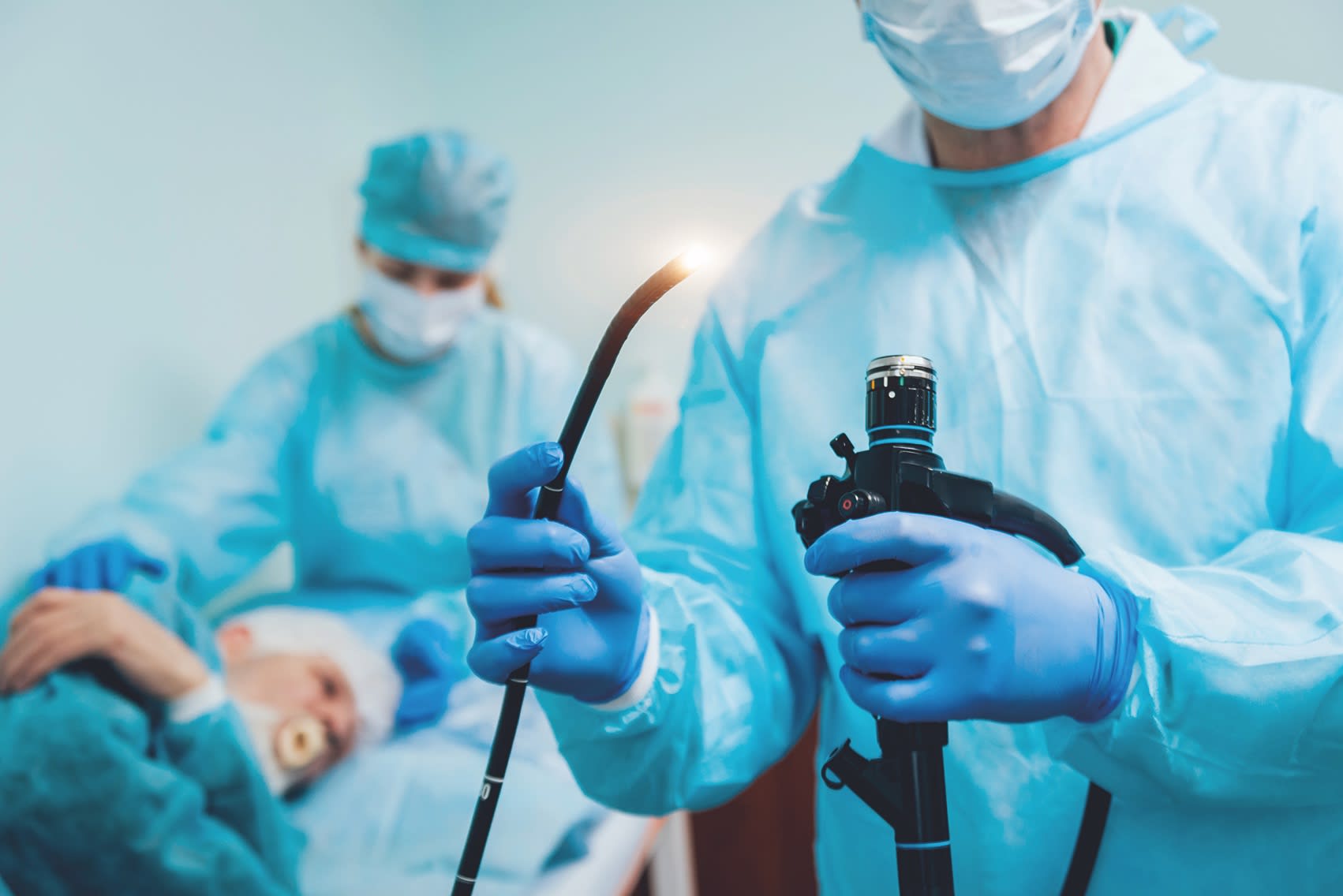
FI in endoscopy presents challenges due to low signal intensity and hardware complexity, requiring sensitive sensors, specific optical filters, and high-powered narrowband illumination sources. Development teams must consider these technical implications when designing FI capabilities into their endoscopy products without compromising white light endoscopy functionality. FI functionality adds to image signal processing pipelines, embedded system specifications, image visualization workflows, and human factors engineering. Accounting for these needs in specifying FI imaging and illumination sets the foundation for product development and critically influence project success.
In this article, we discuss some critical points to consider in developing fluorescence endoscopy imaging and illumination engines in support of the broader development work needed to launch your product. Emphasis is placed on co-developing illumination and imaging engines to best position your product development team for success through execution and risk mitigation.
Product Definition
Teams need to understand a few key requirements upfront before scoping technical specifications:
Clinical Indications
What conditions and diseases will they be used to treat?
Where is your device going to be deployed?
Are you aiming for a rigid laparoscope for general surgery, a tightly confined arthroscope for orthopedic surgery, a flexible luminal scope, or something else?
What working distances need to be imaged during procedures?
Will users be performing arthroscopic imaging in tight quarters? Navigating biliary anatomy through a trocar? Imaging luminal structures like GI tract or lung?
What are user expectations for imaging system performance?
Do they expect to see simultaneous white light and fluorescence imaging contrast? What is the step-by-step workflow for the ideal product in clinical practice?
With these key questions answered, detailed specifications are next to address.
Fluorophore Selection
The selected fluorophore will define the complexity of the optical design requirements, filter specifications, expected signal contrast. In turn, this decision also dictates the illumination engine and image sensor specifications needed for a performant product. When evaluating fluorophore candidates, consider the following:
Approved and off-label indications will dictate when the device can be useful in clinical practice.
Physiologically relevant concentration ranges establish expectations for image contrast and narrow down specifications for cameras, lenses, and illumination engine design.
Fluorescence excitation and emission spectra will guide lens design, illumination engine components, and filter specifications.
Quantum efficiency indicates how efficiently illumination will be converted into detectable fluorescent photons, defining illumination and imaging engine specifications.
Photostability dictates how long a fluorophore can be illuminated before it loses signal and how bright the illumination engine needs to be.
Physiological clearance rate defines workflow procedures that inform device functionality.
These parameters will help you estimate and model how much light you can expect to see during clinical procedures to define the necessary component specification for your product.
Camera Sensor Selection
The product form factor, image quality, and detection limits relies heavily on the image sensor. Depending on the fluorophore, the product’s desired mechanical envelope, and the imaging lens specifications, your camera sensor options can be narrowed.
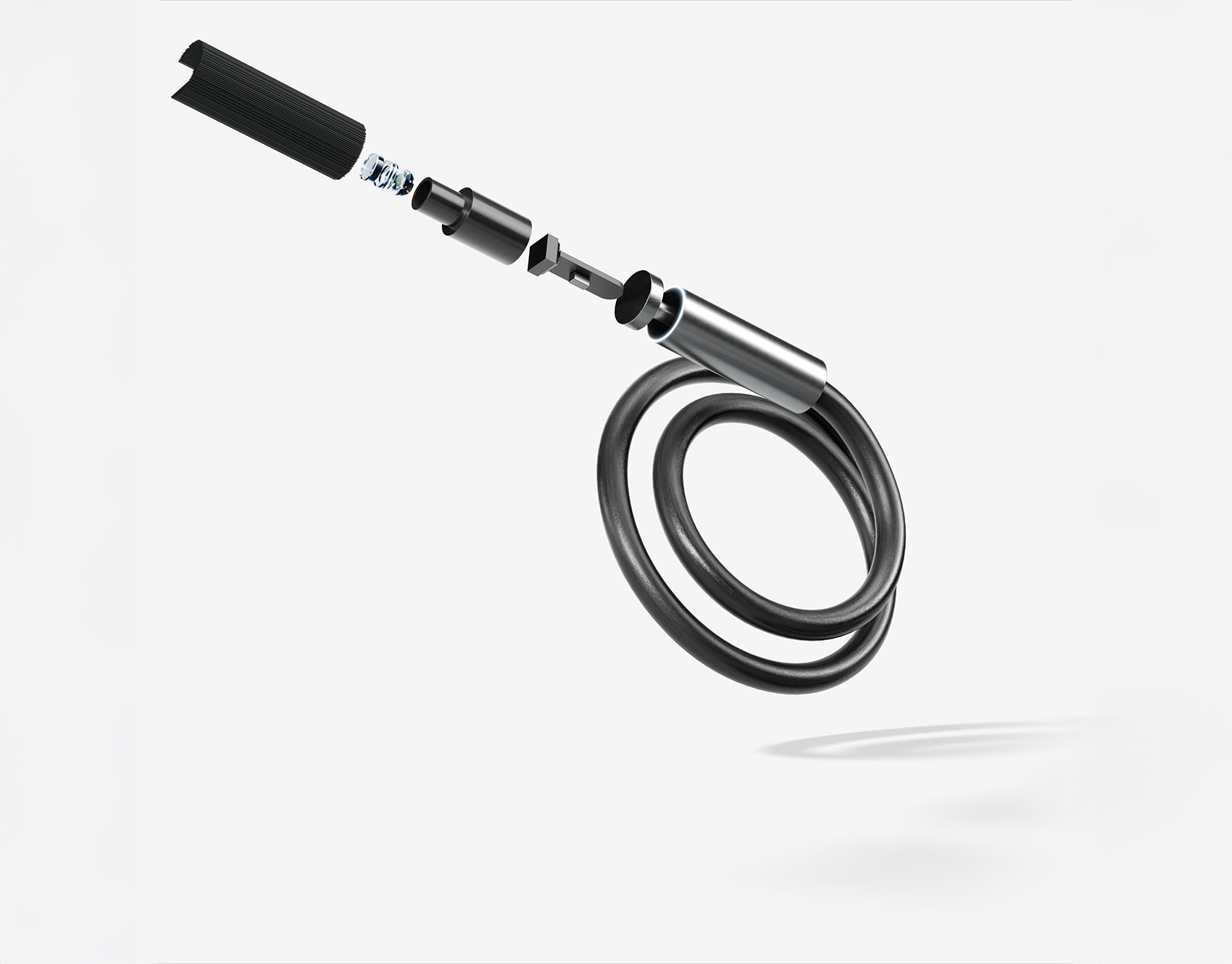
Many teams need to decide early on a chip-on-tip (COT) or rod-lens—based endoscope architecture. COT endoscopes tend to use smaller sensors that minimize the mechanical envelope and work well for flexible white light endoscopy applications. COT image sensors tend sacrifice spatial fidelity and contrast for size and cost, thus may struggle with high-sensitivity applications like tumor localization. Hopkins-style rod lens endoscopes are common in rigid laparoscopes and arthroscopes. They usually feature a persistent-use camera head that opens specification flexibility and image quality overhead at the expense of size and cost.
Critical specifications to consider in camera selection are:
Camera sensor physical dimensions and packaging size informs lens design and mechanical envelope specifications.
Sensor native resolution dictates what image processing and embedded systems specifications are needed to yield high quality images.
Multiple sensor specifications offer flexibility to pick optimal sensors for fluorescence and white light endoscopy separately, if your mechanical envelope allows for it.
Spectral sensitivity of different color channels — especially in spectral emission band of your fluorophore — influence the illumination engine and imaging lens specifications for your device.
Sensor Quantum Efficiency informs the illumination engine, image processing, and lens specifications for your product.
Dynamic range will dictate your products fluorescence detection limits and drive illumination engine, lens design, image processing, and embedded systems specifications.
Output Image Bit Depth influences image sensitivity, limits of detection, image signal processing complexity, and embedded systems specifications.
Dark noise and read noise performance dictates the products limits of detection and influences image processing, visualization, and embedded systems specifications.
Electronic interfacing protocol shapes how will your visualization engine interface with the camera hardware stably?
Chief ray angle specification on some image sensors will inform lens design specifications that impact image quality across large color ranges.
Advanced image sensor architectures can extend standard RGB color imaging formats to other spectral bands. Rather than providing visible light RGB images, these sensors use specialized pixel-level color filters to augment RGB images with distinct spectral ranges in a single-sensor package. Though complicating the image signal processing workflow, these sensors offer a streamlined hardware package to fabricate. Fluorophore selection, lens design, and illumination engine specifications will dictate whether these sensor architectures are viable options.
Lens Design and Filtering
Low f/#, chromatically optimized imaging lenses will maximize FI signal detection and offer more flexibility for image signal processing and embedded systems development. However, this often comes with narrower fields of view and shallower depth of field. Clarifying and prioritizing user needs early in the project will ensure fewer roadblocks arise related to hardware performance specifications.
Considering the following specifications for your lens design is a critical starting point:
System mechanical envelope defines the size constraints around the lens design.
Camera sensor physical dimensions dictate inform size and complexity of the optical design.
Camera sensor pixel dimensions (pitch, arrangement) set the maximum usable image resolution specifications for a given lens design.
Field of view influences lens design complexity
Direction of view influences lens design complexity
Depth of field influences the maximal fluorescence detection sensitivity for a given lens system and impacts perceived image quality
Spatial resolution impacts perceived image quality.
Wavelength range influences lens design complexity.
Max chief ray angle informs filtering specifications and limits of detection.
Distortion impacts perceived image quality.
Image field uniformity/brightness impacts the limit of detection across the full device’s field of view and thus impacts perceived image quality.
Supporting NIR fluorophores like ICG and CYTALUX calls for more complex lens designs. Alternatively, fluorescein (a yellow fluorophore) relaxes these lens design requirements at the expense of tissue imaging depth.
Color filtering and chromatic image quality are challenging with endoscope lenses because of their large field of view, short effective focal lengths, and bandwidth requirements for FI. This can force higher chief ray angles in lens designs, which negatively impact FI filtering performance and imaging sensitivity. Chief ray angle specifications on image sensors help visible color accuracy but can compromise FI sensitivity. Aiming for an image-sided telecentric lens design will preserve filtering performance and maximize FI sensitivity.
Illumination Engine Specifications
Illumination requirements are crucial to fluorescence imaging system. Illumination engine designs focus on providing the colors, optical powers, and uniformity needed to generate usable FI images. As field of view and depth of field requirements increase, the power and uniformity specifications from the illumination engine become challenged. Consider the following specifications for your illumination engine design:
Device working distance range will dictate the power range needed to effectively illuminate the viewing field
The number of independently addressable wavelengths will be driven by selected fluorophores properties and method of white light imaging integration. Each color source will require the following specifications:
- Spectral bandwidth will shape filter specifications and detection sensitivity
- Usable optical power output establishes how much specified power is needed from a light source.
- Maximum and minimum imaging irradiance defines imaging sensitivity and product thermal safety
Illumination routing and output defines how light is delivered to the device’s field of view (e.g., Fiber optic bundle, source-on-tip)
Illumination uniformity drives image quality, and detection sensitivity across the full field of view.
Laser or LED-based light engine will dictate the level of regulatory oversight and labeling required for the device.
Light intensity controls will interface with the embedded systems and image processing pipelines.
Keeping these considerations in mind will ensure the hardware design yields a performant endoscope product.
Imaging Speed Considerations
FI is inherently slower than conventional white light endoscopy due to its low detectable light levels. When photons are abundant (i.e., white light endoscopy), adjusting exposure time, digitization gain, and auto-image enhancement help to optimize user experience and clinical performance. In photon-starved imaging, preserving image quality and detection limits relies more on a fast lens design, uniform high-power illumination engines, a delicate adjustment image processing differently from white light endoscopy.
FI requires longer exposure times, which will slow imaging speeds. Image digitization gain can be added to compensate for this but will inherently add noise to output images, requiring image processing and visualization considerations. Finding the balance between product usability and feasible technical specifications becomes a delicate collaboration between all disciplines of your development team.
Clear, well-defined product requirements are the start of any major development effort. Many tools exist now to help scope risks before testable device prototyping begins. Simulation and rapid prototyping are crucial tools for unblocking complex technical FI development projects.
Optical and Digital Imaging Simulations
Optical simulation software packages let teams design lens systems, determine illumination engine specifications, model realistic image sensor performance, prototype image signal processing, and test component specification before building. This enables cross-disciplinary collaboration across technical disciplines to derisk technical requirements early in development projects. Ansys, Synopsis, Lambda Research, and others offer a comprehensive suite of tools to confidently design and simulate optical system concepts in siclico. Getting the most out of your simulation work relies on the in-house technical expertise and communication to maximize its utility.
Rapid Prototyping
Rapid prototyping is just as important as derisking via simulation. It requires more development and fabrication resources but offers the most tangible way to derisk product specifications before green-lighting design and validation. This lets you tackle the unanswered technical questions before resourcing designing and piloting a fully functional prototype.
Optical lenses can be risky to prototype in small quantities. Oftentimes, optical engineers can help derisk design concepts with off-the-shelf components, which help image processing and illumination engine system development before committing to pilot volume lens productions. The key is to prioritize derisking by methodically relaxing prototype product requirements to understanding their limitations.
The goal with rapid prototyping is to mitigate risk before fully committing resources to final product design. Questions and risks will remain but generally unblock your product’s launch plan.
Summary
Specifying your imaging and illumination engines sets the groundwork for launching a successful FI endoscope product. These engines are deeply tied into software, embedded systems, human factors, and industrial design that make product launches happen. Considering these cross-disciplinary specifications are critical to deliver a complete product prototype. We lay out the critical points to consider when developing a cross-disciplinary FI endoscopy product. Keep these points in mind throughout your project to ensure your product provide a delightful and impactful influence on surgical guidance.
This article was written by Wilson Adams, Consultant, FISBA North America (Saco, ME). For more information, visit here .
References
- Hazel L Stewart and David J S Birch. Methods Appl. Fluoresc. 2021.
- Pogue BW, Zhu TC, Ntziachristos V, et al. AAPM Task Group Report 311: Guidance for performance evaluation of fluorescence-guided surgery systems. Med Phys. 2024.











