

As flywheel technology continues to improve, flywheel energy storage (FES) systems are gaining in use across a wide variety of applications, from frequency regulation in power utilities to energy recovery in trains and industrial equipment to rack-mounted uninterruptible power supplies. With demand rising for reliable, cost-effective, and environmentally friendly energy storage, especially to support the growth of green power solutions like wind and solar, FES is quickly coming into its own.
Compared to other energy storage solutions, FES systems have long lifetimes with minimal maintenance requirements, high energy densities (~ 200 kJ/kg), and large maximum power outputs. The round-trip efficiency (ratio of energy out per energy in) of flywheels can be as high as 90%, with power output capacities ranging from 2 kWh to 133 kWh, and an FES system can typically reach full charge in as little as 15 minutes. Compared to batteries with low capacity, long charge times, heavy weight, and short usable lifetimes, FES presents a bright spot in tomorrow’s clean energy solution.
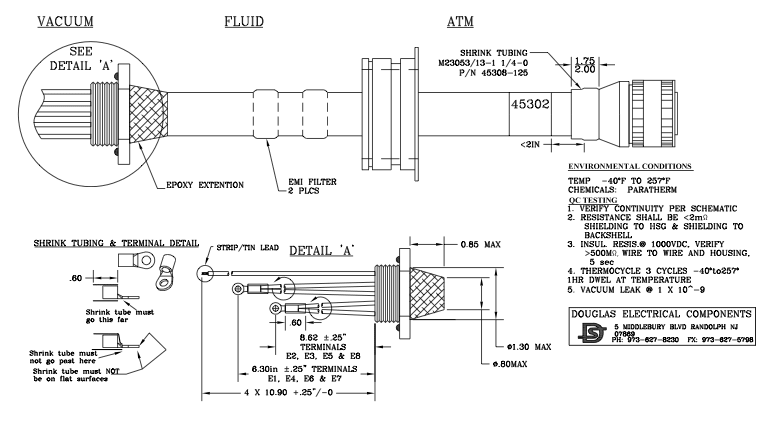
However, with the requirement for operation in a vacuum comes one of the critical design challenges facing today’s FES engineer - ensuring the vacuum integrity of the flywheel housing, while meeting the needs for noise-free monitoring and high power inputs and outputs. Any breach in the vacuum environment of the rotor could lead to FES failure, making hermetically sealed feedthroughs a critical engineering component for FES development. FES designers often try to significantly reduce the system size, making it as small as possible, while taking into consideration the co-location of associated electronic and control systems and how the essential feedthroughs will be successfully situated. Thus, control and power feedthroughs that fit into tight areas, turn corners, and still maintain vacuum, require custom housing designs, often with unique geometries and specialty materials.
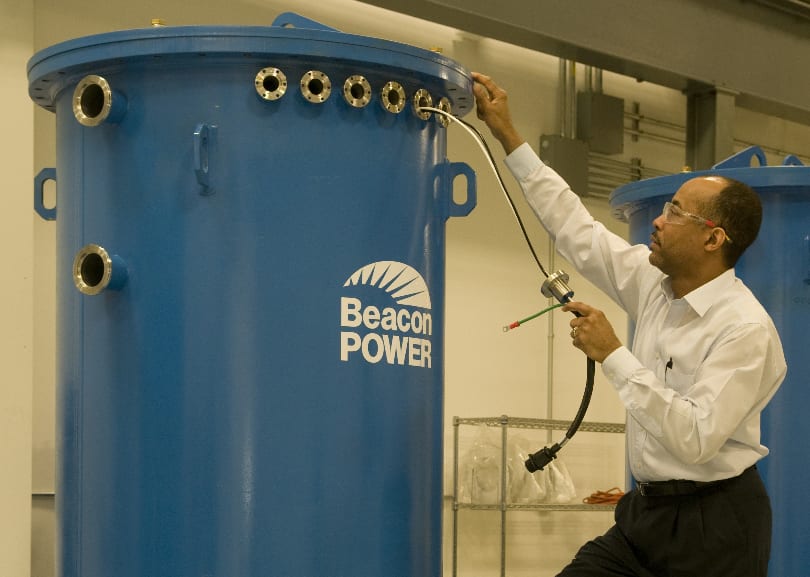
Massachusetts-based Beacon Power uses hermetic vacuum feedthroughs to optimize the performance of its Smart Energy 25 FES systems, which are being deployed on the utility grid to provide frequency regulation. The feedthroughs provide transfer of power and signal data from the control system on the atmospheric side to the internal volume of the vacuum-sealed flywheel chamber.
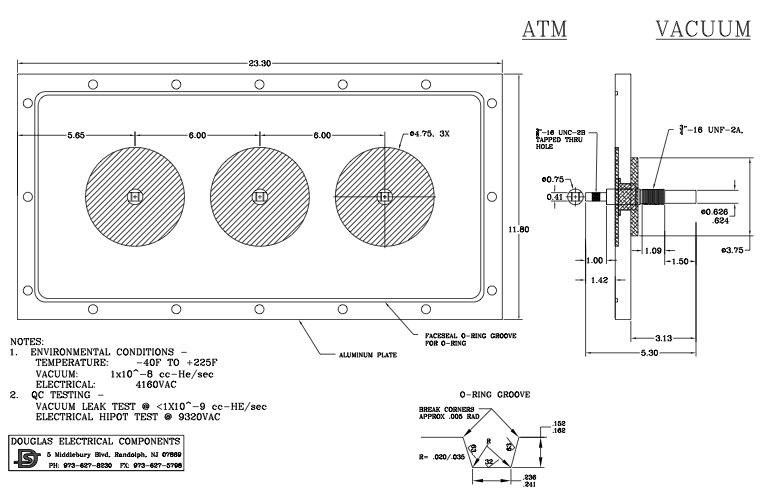
“Our Gen4 flywheel design relies on hermetic feedthroughs in order to reliably maintain vacuum inside the chamber during operation,” says Dick Hockney, chief engineer at Beacon Power. “This capability is critical for reducing windage, which increases efficiency and prevents the high-speed rotor from overheating.”
For control systems, speed, temperature and vibration all need constant monitoring via numerous thermistors and other sensors, often incorporating shielded and/or twisted wires to maintain signal integrity. For power transfer, copper post studs or heavy gauge wire feedthroughs must be accommodated, depending on current requirements. In all cases, small and high density feedthroughs provide less risk of leakage than multiple connectors. In the case of flywheel chambers that are submerged in a heat transfer fluid, these feedthroughs must also be leakproof and resistant to whatever fluid is in use.
Oftentimes the vacuum environment and heat transfer fluid requires that special attention be paid to material selection. Understanding parameters such as outgassing, permeability and material compatibility is critical in developing solutions that will perform as desired over the 20+ years of operation that most of these units require.
While the potential for FES solutions is tremendous, these projects are often at risk when the challenge of getting signals and power into and out of the vacuum environment is underestimated. Consulting hermetic feedthrough experts during the design phase can ensure that these small, but necessary, components do not become the failure points for an otherwise successful project.
For more information, visit Beacon Power .











