Stories
0
0
0
Special Reports: Wearables
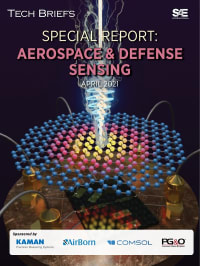
Aerospace & Defense Sensing - April 2021
A microwave radiation sensor offers 100,000 times greater sensitivity...Nature-inspired sensors help autonomous machines to see better...New accelerometers aid the development of Electric Vertical...Special Reports: Electronics & Computers

Medical Manufacturing & Outsourcing - April 2021
How 3D printing is transforming the medical industry...adapting to the manufacturing challenges of COVID-19...improving quality and reliability in PCB production. These are just a few of the...Briefs: Robotics, Automation & Control
Emerging robotics technology may lead to better buildings in less time.

Articles: Mechanical & Fluid Systems
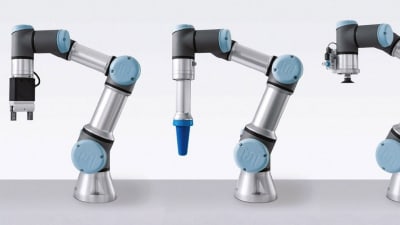
In North America alone, the gripper market is worth roughly $100 million — and that number is expected to climb up to 5 percent each year.
Briefs: Robotics, Automation & Control
These robots could perform basic healthcare tasks to support the work of doctors and nurses.

Briefs: Motion Control
A prototype version could be demonstrated on a large cargo lunar lander.


Briefs: Energy
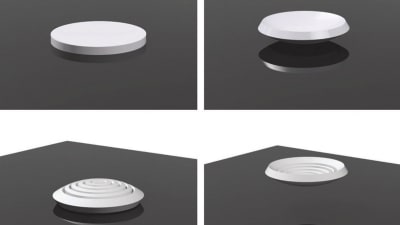
Shape and environment can cause materials to move without motors or hands.
Briefs: Robotics, Automation & Control
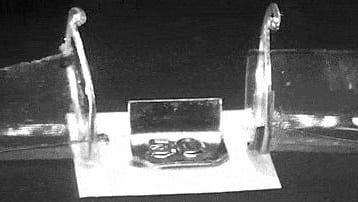
These actuators can compete with electrical and pneumatic systems.
Briefs: Mechanical & Fluid Systems
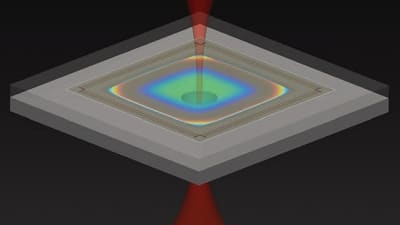
The tiny device accurately measures acceleration in smaller navigation systems and other devices.
Articles: Sensors/Data Acquisition
Pneumatic technologies such as control valves continue to evolve, incorporating sensors, industrial network interfaces, wireless technology, and more.
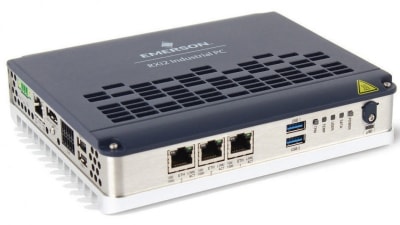
Briefs: Motion Control
A new type of control system may broaden robots’ range of tasks and allow safer interactions with people.

Articles: Internet of Things
Specially designed brake controls are a critical factor of brake performance in any application.
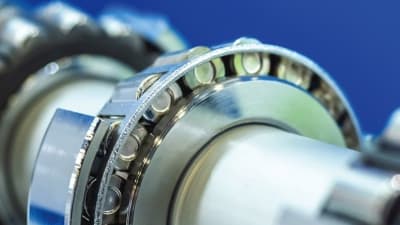
Application Briefs: Photonics/Optics
There is a growing demand for direct-drive motors.

Briefs: Imaging
The intelligent camera features all three resolutions: spatial, temporal, and spectral.
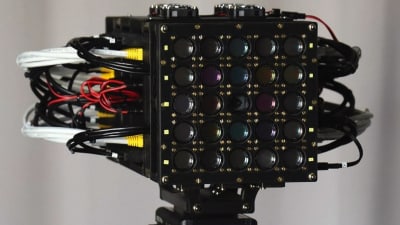
Briefs: RF & Microwave Electronics
This system enables battery-free ocean exploration with applications ranging from marine conservation to aquaculture.

Q&A: Electronics & Computers
Professor Qiaoqiang Gan of the University at Buffalo (NY) and his team developed a unique two-in-one system that uses solar energy for simultaneously cooling and heating — without electricity.

Briefs: Aerospace
The system provides high tuning capability and extreme simplicity.

Products: Mechanical & Fluid Systems
Displacement sensors, metal 3D printers, shielding materials, and more.
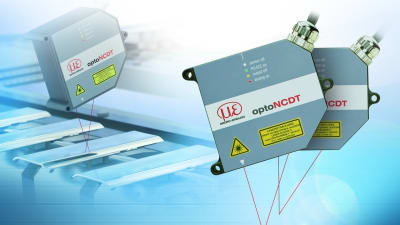
Briefs: Materials
The alloy has applications in jet turbine disks and other high-stress and/or high-temperature environments.

Briefs: Imaging
Medical instruments equipped with a soft electronics system improve diagnostic and therapeutic interventions in minimally invasive surgeries.
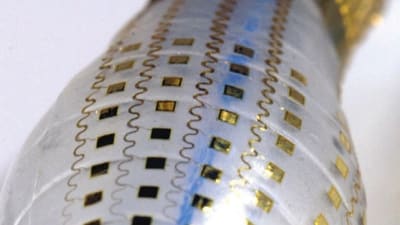
Briefs: Materials
A combination of polymers and oligomers, when combined with UV light, almost completely kills the coronavirus.
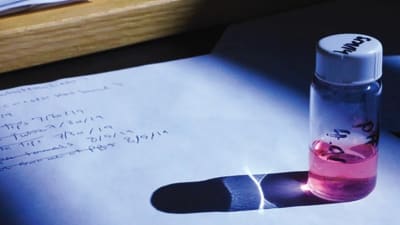
Briefs: Sensors/Data Acquisition
This technology could be a low-cost, in-home alternative to blood draws and clinic-based screening tools.
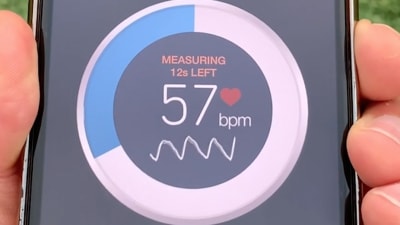
Briefs: Energy
A new electrocatalyst efficiently converts carbon dioxide into ethanol.

Briefs: Energy
The energy storage device can store a charge up to 900 times greater than state-of-the-art supercapacitors.
Briefs: Sensors/Data Acquisition
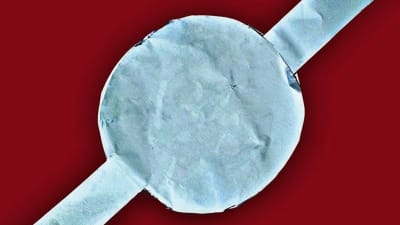
The instrument could bring powerful sensing and imaging capabilities into hospitals, airports, or other settings.

Briefs: Sensors/Data Acquisition
This compact beam steering technology has applications in autonomous navigation, AR, and neuroscience.

Briefs: Data Acquisition
Edge computing, focused applications, and open connectivity let designers start with little data on their digital transformation journey.

5 Ws: Wearables
A medical patch can be folded around minimally invasive surgical tools and delivered through airways, intestines, and other narrow spaces.

Briefs: Electronics & Computers
Inspired by camel fur, a two-layered material could provide extended cooling to preserve the freshness of perishable goods.

Articles: Materials
Highly purified, low-outgassing silicones prevent material degradation in satellites and space vehicles.
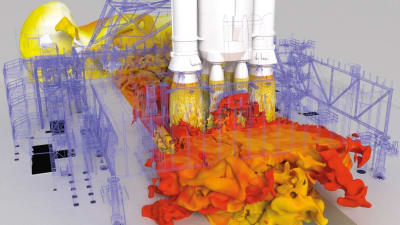
Facility Focus: Electronics & Computers
See the advanced materials, complex systems, and bioengineering technologies being created at Cornell.
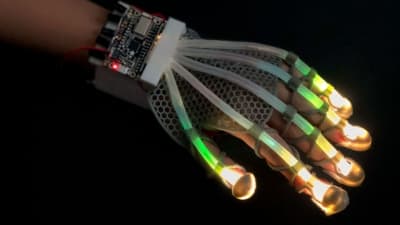
Briefs: RF & Microwave Electronics
Applications include spectroscopy and LiDAR.
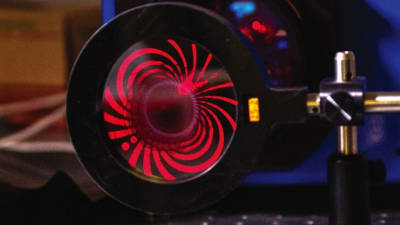
NASA Spinoff: Materials
The inserts use a material that NASA has considered for spacecraft filters.

Briefs: IoMT
The device recharges the internal battery of implants without invasive surgery.

Briefs: Medical
This nanoparticle-based adhesive is visible in common imaging techniques such as computed tomography (CT).
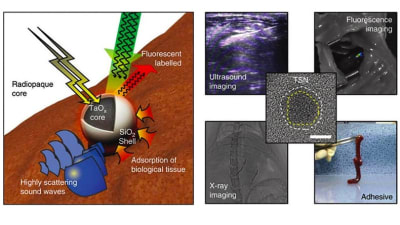
Briefs: Lighting
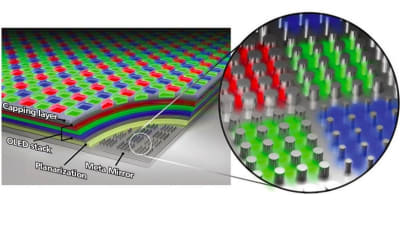
The micro-display could enable smartphones and televisions with resolutions of more than 10,000 pixels per inch.
Briefs: Imaging
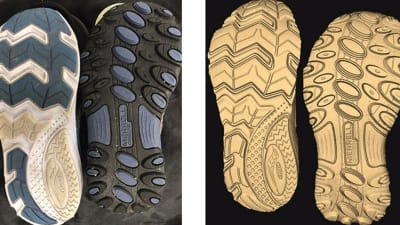
These technologies help compress 3D camera files and automate focus and exposure settings.
Briefs: Photonics/Optics
The single piece of glass produces crisp panoramic images.

Briefs: Communications
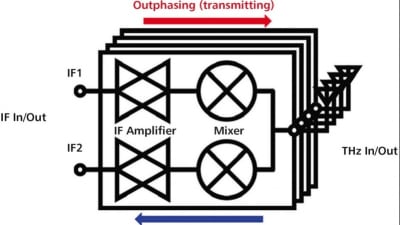
This transceiver for wireless communications at the 300-GHz band enables beyond-5G applications.
Articles: Automotive
NASA's graphene composites, textile pressure sensors, and a better kind of glass.

Briefs: Energy
Biofuels can achieve cost parity with petroleum fuels.

Briefs: Nanotechnology
Ultrasound is used to deliver antibodies to treat cancers, infectious diseases, and rheumatoid arthritis.

Articles: Mechanical & Fluid Systems
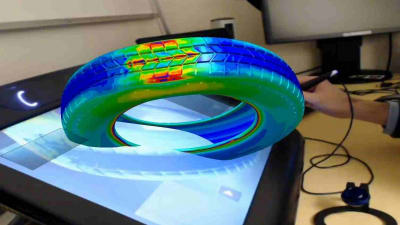
The more complex the vehicle, the greater the need for comprehensive design solutions.
Briefs: Electronics & Computers
These robust supercapacitors still work when stretched to eight times their original size.
Briefs: Photonics/Optics
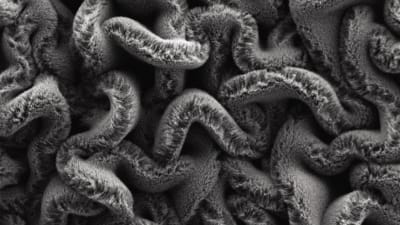
Ultra-Miniaturized Microendoscope
The lens-free scope produces higher-quality images at a fraction of the size.
Briefs: Materials
This invention holds potential for a range of biomedical applications, from controlled-release drug delivery to tissue engineering.

Briefs: Test & Measurement
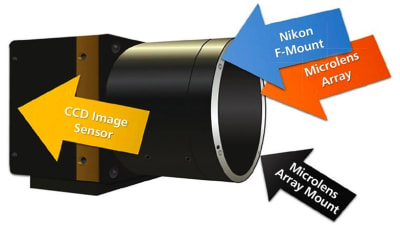
This camera enables multi-spectral imaging for metrology.
Briefs: Electronics & Computers
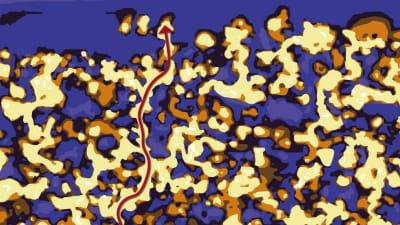
This composite can be used in lithium metal batteries.
Briefs: Semiconductors & ICs
Assembling tiny chips into unique programmable surfaces dramatically increases the amount of data wireless systems can transmit.

Briefs: Imaging
These glass substrates can be used for displays on smartphones and tablets and for other durable, impact-resistant applications.

Briefs: Imaging
A chip-based technology generates sound profiles with high resolution and intensity to make ultrasound therapy more effective and easier.

Briefs: Medical
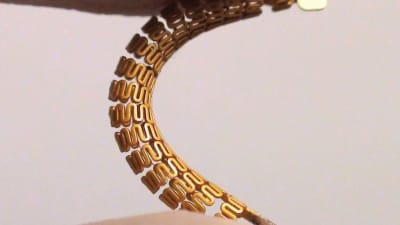
The stent monitors even subtle changes in the flow of blood through the artery.
Products: Electronics & Computers
The GVC1001 computer features dual 10-GigE ports for gigabit Ethernet camera or other sensor inputs.

Blog: Transportation
The A.I. system learns from thousands of real-traffic situations, when a self-driving car stopped unexpectedly.

Question of the Week: Unmanned Systems
Will Underwater Exploration Go Battery-Free?
A Tech Brief featured in our April issue highlighted a battery-free pinpointing system from MIT called Underwater Backscatter Localization. Rather than emitting its own acoustic signals, the “UBL” reflects modulated signals from its environment. The reflections provide researchers with positioning...
Blog: Photonics/Optics
Taking inspiration from the insect, Tufts researchers created light-activated composite devices that execute precise, visible movements and form complex three-dimensional shapes, like a "photonic sunflower. "

Blog: Materials
Researchers from Cornell University have redesigned the battery so that aluminum more easily integrates into a battery's electrodes.

INSIDER: Electronics & Computers
Two-dimensional materials can be used to create smaller, high-performance transistors than the ones traditionally made of silicon, according to Professor Saptarshi Das of...

INSIDER: Materials
In collaboration with groups from China and the United States, a research team from TU Wien set out to find the optimal heat conductor. They finally found what they were...

INSIDER: Design
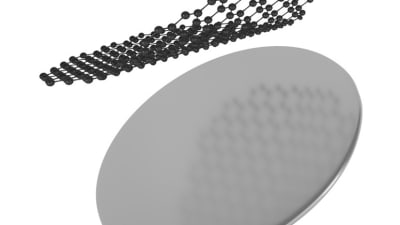
Two-dimensional (2D) materials have a huge potential for providing devices with much smaller size and extended functionalities with respect to what can be achieved with...
INSIDER: Electronics & Computers
“Tango delta. Touchdown confirmed. Perseverance safely on the surface of Mars, ready to begin seeking the signs of past life.” For more than six years, the Mars...

Question of the Week: Robotics, Automation & Control
Will Robotic Exoskeletons Help the Elderly?
A team from the University of Waterloo is creating robotic exoskeleton legs that use A.I. to make their own steps and control decisions. "Learning" from a collection of sample-strolls around an environment, the system adjusts its movements based on the surroundings it senses.
Blog: Manufacturing & Prototyping
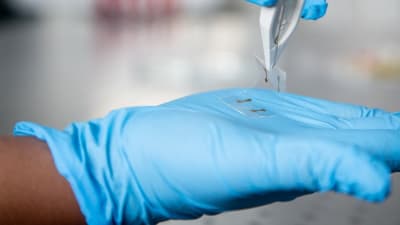
Researchers from RMIT have introduced an ultra-thin material for semiconductors that could lead to transparent electronics.
Blog: Manufacturing & Prototyping
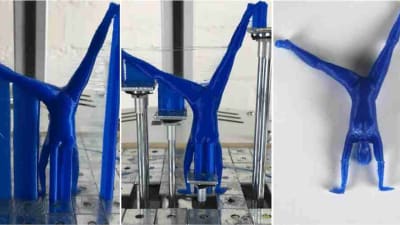
A new, sustainable take on the 3D printer reduces waste by eliminating the need for printed supports.
Question of the Week: Photonics/Optics
Do You See Potential for Objects That Change Shape via Light?
Taking inspiration from the butterfly, Tufts University researchers created light-activated composite devices that execute precise, visible movements and form complex three-dimensional shapes, without the need for wires or other actuating materials or energy sources.
Blog: Aerospace
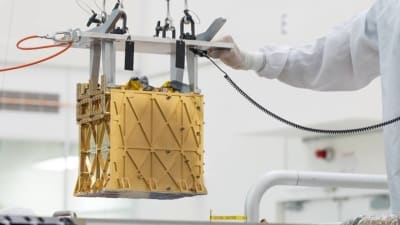
The technology demonstration is a first step in showing that humans could someday live (and breathe) on Mars.
Blog: Materials
Tech Briefs readers ask a series of questions about the future of plastics in battery electric vehicles.

Question of the Week: Manufacturing & Prototyping
Can Moving Pins Cut 3D-Printing Costs?
An INSIDER story last week highlighted a 3D printer that uses a platform of movable pins to provide support for the created part. The invention eliminates the need for printed supports.
Blog: Sensors/Data Acquisition
Wearable gas sensors being developed at the Pohang University of Science & Technology (POSTECH) display an instantaneous visual holographic alarm.

INSIDER: Robotics, Automation & Control
Northern Arizona University researchers developed high-performance artificial muscle technology based on linear actuators. Because of their helical structure, the actuators generate more power,...

Blog: Software
New software being developed at Ohio State University will allow creation of more complex DNA robots, at much faster speeds.
Top Stories
 Blog: Power

My Opinion: We Need More Power Soon — Is Nuclear the Answer?
 Blog: AR/AI

Aerial Microrobots That Can Match a Bumblebee's Speed
 News: Energy

 Blog: Electronics & Computers

Turning Edible Fungi into Organic Memristors
 Blog: Robotics, Automation & Control

Microscopic Swimming Machines that Can Sense, Respond to Surroundings
 INSIDER: Sensors/Data Acquisition
Webcasts
 Upcoming Webinars: Power

Hydrogen Engines Are Heating Up for Heavy Duty
 Upcoming Webinars: Semiconductors & ICs

Advantages of Smart Power Distribution Unit Design for Automotive...
 Upcoming Webinars: Automotive

Quiet, Please: NVH Improvement Opportunities in the Early Design...
 Upcoming Webinars: AR/AI

From Spreadsheets to Insights: Fast Data Analysis Without Complex...
 Upcoming Webinars: Power

A FREE Two-Day Event Dedicated to Connected Mobility
 Podcasts: Aerospace

SiPhog Technology: Enabling GPS‑Independent Flight for Uncrewed Aerial...