33
-1
180
30
Briefs: Photonics/Optics
Optical limiting — a manner of telecom switching without the use of electronics — is an all-optical method that could improve the speed and capacity of Internet communications. A...
Briefs: Power
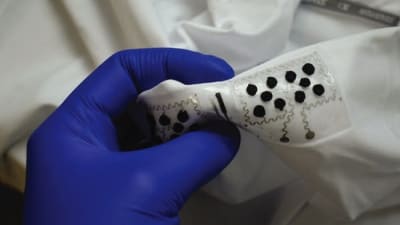
Wearable electronic components incorporated directly into fabrics have been developed that could be used for flexible circuits, healthcare monitoring, energy conversion, and other applications. Graphene...

Briefs: Manufacturing & Prototyping
This method prints 3D structures made of metal and plastic, paving the way for 3D electronics.

Briefs: Nanotechnology
This method fabricates 3D nanostructures for electronics, manufacturing, and healthcare.

Briefs: Energy
The flexible, washable microgrid uses the human body to sustainably power small electronics.
Briefs: Wearables
Artificial skin reacts to pain just like real skin, paving the way to better prosthetics, robotics, and noninvasive alternatives to skin grafts.

Briefs: Mechanical & Fluid Systems
The device combines with body power to treat tendon disease and damage, and sports injuries.

Briefs: Photonics/Optics
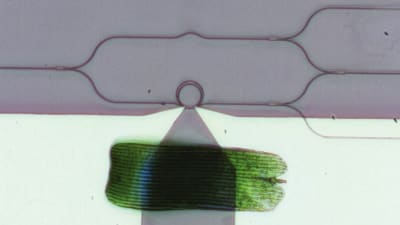
Columbia researchers are reducing both the size and the power consumption of a visible-spectrum phase modulator, from one millimeter to 10 microns.
Briefs: Electronics & Computers
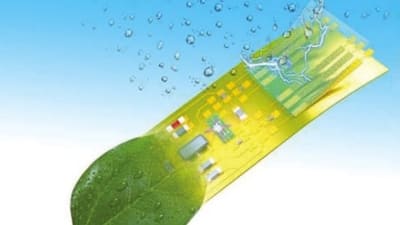
Researchers have created an electronic microsystem that can intelligently respond to information inputs without any external energy input, much like a...
Briefs: Test & Measurement
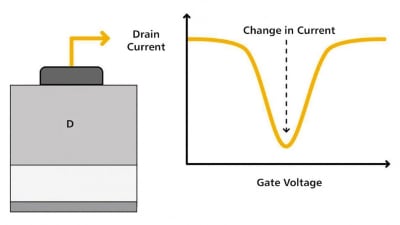
The method could support the semiconductor industry and facilitate development of next-gen devices.
Briefs: Communications
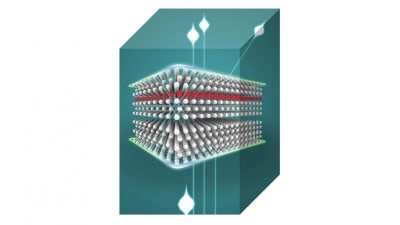
Applications include power and energy, communications, and sensors.

Briefs: Energy
In-wall capacitors power lights, phones, and laptops without wires.

Briefs: Semiconductors & ICs
The material could potentially provide a platform for error-free quantum computing.
Briefs: Electronics & Computers
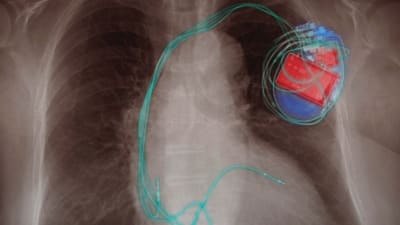
The nanothin material could advance self-powered electronics, wearable technologies, and even deliver pacemakers powered by heartbeats.
Briefs: Mechanical & Fluid Systems
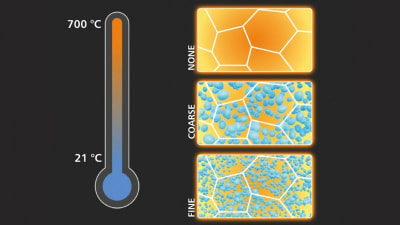
Mechanical properties, such as strength and ductility, can be improved for car, plane, and building components.
Briefs: Wearables
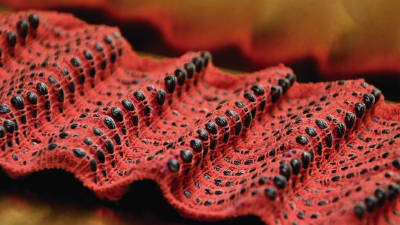
These textiles could help performers and athletes train their breathing and potentially help patients recovering from post-surgery breathing changes.
Briefs: Sensors/Data Acquisition
This system would extend the life of CubeSat satellites.
Briefs: Wearables
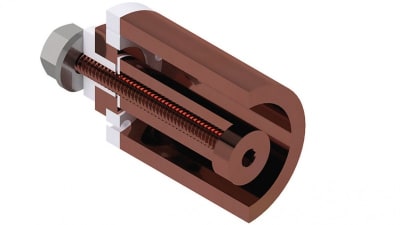
This technology has potential as a portable power supply in several applications, including electric vehicles, cellphones, and wearable technology.
Briefs: Electronics & Computers
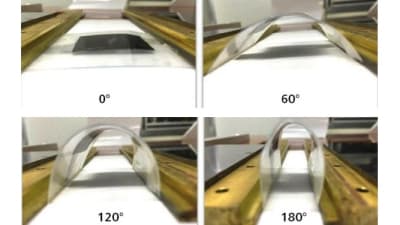
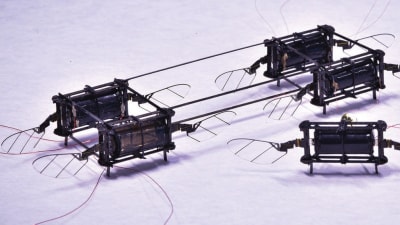
A new fabrication technique helps improve the performance of flying micro-robots.
Briefs: Manufacturing & Prototyping
A new fabrication methodology addresses the need for a thin, double-sided circuitry board.

Briefs: Semiconductors & ICs
Vibrating transducers create tunnels in a thin layer of oil to transport droplets across a chip without leaving a trace behind.

Briefs: Wearables
Textiles and items of clothing can be converted into e-textiles without affecting their original properties.
Briefs: Electronics & Computers
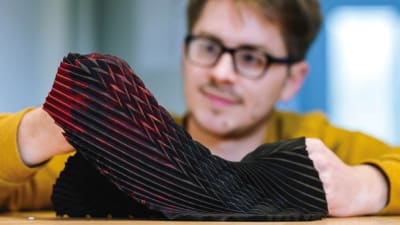
Applications include aircraft-mounted and space-based interferometers, electronics fabrication, and military optics.

Briefs: Unmanned Systems
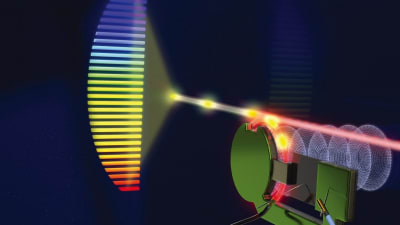
Mechanical control and modulation of light on a silicon chip could enhance LiDAR.
Briefs: Energy
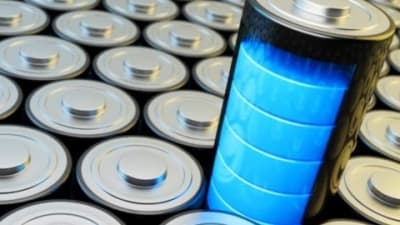
A machine learning method promises to predict battery health with 10 times higher accuracy than the current industry standard.
Briefs: Wearables
The biofuel cells can power wearable electronics purely by using human sweat.

Briefs: Electronics & Computers
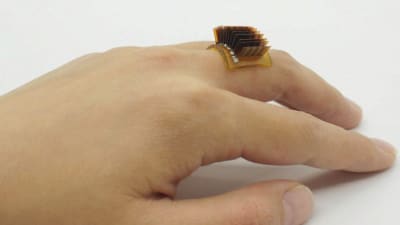
The device is stretchy enough to wear like a ring, a bracelet, or any other accessory that touches the skin.
Briefs: Mechanical & Fluid Systems
Large machines can breathe in and out cooling blasts of water to keep their systems from overheating.

Briefs: Mechanical & Fluid Systems
These elastomers have a wide range of uses for the building, automotive, and electronics industries.

Top Stories
 Blog: Lighting

A Stretchable OLED that Can Maintain Most of Its Luminescence
 Blog: Energy

Batteries that Can Withstand the Cold
 INSIDER: Energy

Advancing All-Solid-State Batteries
 Blog: Power

My Opinion: We Need More Power Soon — Is Nuclear the Answer?
 Quiz: Power

 Blog: Data Acquisition

Webcasts
 Upcoming Webinars: Test & Measurement

From Spreadsheets to Insights: Fast Data Analysis Without Complex...
 Upcoming Webinars: Defense

Cooling a New Generation of Aerospace and Defense Embedded...
 Upcoming Webinars: AR/AI

Beyond AI-Copy-Paste Engineering: Advanced AI-Integration Success...
 Upcoming Webinars: Automotive

Battery Abuse Testing: Pushing to Failure
 Upcoming Webinars: Connectivity

A FREE Two-Day Event Dedicated to Connected Mobility
 Upcoming Webinars: RF & Microwave Electronics

Choosing the Right N-Port Strategy: Multiport VNAs vs. Switch...