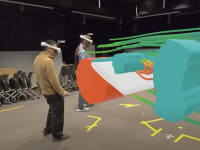
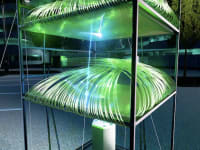
41
-1
540
30
Briefs: Materials
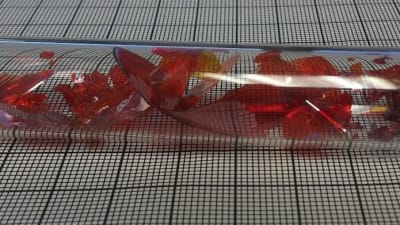
It can be used both in small, portable devices for field inspections and in very large detectors that use arrays of crystals.
Briefs: Sensors/Data Acquisition
This technology could help control driverless cars and automated warehouses.

Briefs: Imaging
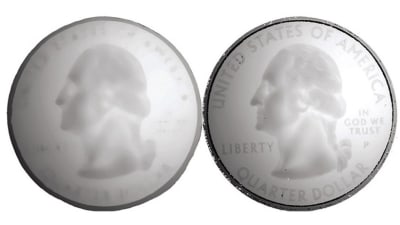
Special light sources and sensors see around corners or through gauzy filters, enabling reconstruction of the shapes of unseen objects.
Briefs: Transportation
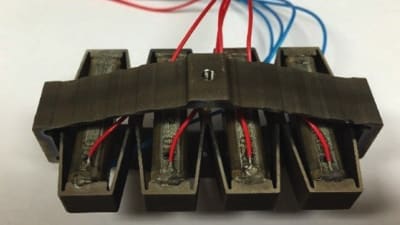
Applications include powering portable electronic devices and sensors, and harvesting waste mechanical energy for aircraft, automobile, and other transportation equipment.
Briefs: Electronics & Computers
The technology could help in elder care with sensors throughout a home.

Briefs: Internet of Things
Hardware and software tweak microwave patterns to discover the most efficient way to identify objects.
Briefs: Sensors/Data Acquisition
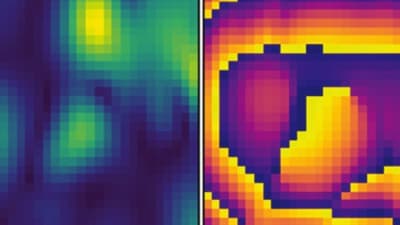
This work could accelerate the development of flexible electronics.

Briefs: RF & Microwave Electronics
The lasers are small and efficient enough to fit on a microchip.
Briefs: Materials
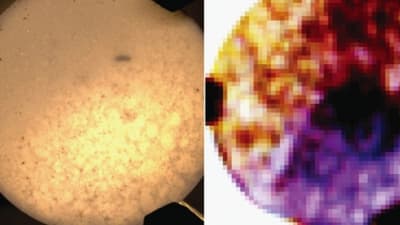
Researchers have developed new nanoscale technology to image and measure more of the stresses and strains on materials under high pressures.
Briefs: Sensors/Data Acquisition
A wireless sensor small enough to be implanted in the blood vessels of the human brain could help clinicians evaluate the healing of aneurysms.
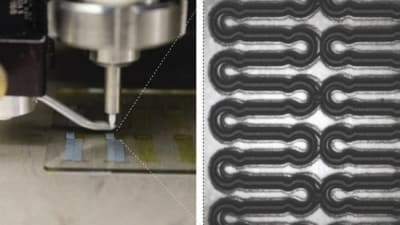
Briefs: Wearables
Drones, smartphones, and sensors could provide a lifeline to the world’s growing elderly population at risk of falls.
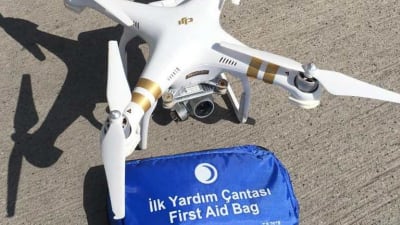
Briefs: Wearables
A mobile, wearable device the size of a Band-Aid could allow babies to leave the hospital and be monitored from home.

Briefs: Aerospace
Magnetic Shield Using Proximity Coupled, Spatially Varying Superconducting Order Parameters
This magnetic shielding design can be easily incorporated into a wide range of electronic sensing applications.
Briefs: Manufacturing & Prototyping
The technology could enable remote control of drug delivery, sensing, and other medical applications.
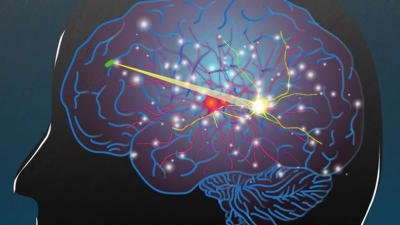
Briefs: Sensors/Data Acquisition
These materials can be used in aerospace vehicles, automobiles, clothing, helmets, and chemical sensors.

Briefs: Test & Measurement
Blood Test Detects Multiple Types of Cancer
The test can screen for numerous types of cancer with a high degree of accuracy.
Briefs: Photonics/Optics
This vibrometer has uses in analyzing spasms in humans, as a breath analyzer for diagnosis of cancer and other diseases, and as a preventative healthcare sensor.

Briefs: Aerospace
The sensor makes it easier to detect and manage ice accumulation on aircraft wings.

Briefs: Sensors/Data Acquisition
This system places virtual objects within real-world backgrounds on cellphone screens and lets people interact with those objects by hand as if they were really there.

Briefs: Electronics & Computers
The switch is a major new step toward building a computer that uses light instead of electricity to process information.
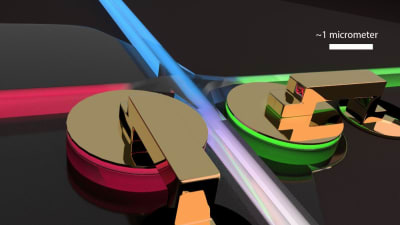
Briefs: Test & Measurement
Bomb Detection Method Detects Peroxide-Based Explosives
The ultra-fast method analyzes a wider range of materials than current thermal-based detection systems.
Briefs: Sensors/Data Acquisition
Breathalyzer Detects Marijuana
The device determines if a driver is under the influence of marijuana.
Briefs: Energy
This innovation could lead to better drones, satellites, and biomedical devices.
Briefs: Electronics & Computers
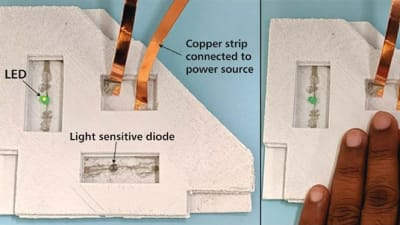
Filaments with embedded circuitry can be used to print complex shapes for biomedical and robotic devices.

Briefs: Test & Measurement
This technology quickly and accurately identifies explosives, deadly chemicals, and illicit drugs.

Briefs: Sensors/Data Acquisition
The system provides three-dimensional imagery of potential threats at closer ranges.

Briefs: Communications
Fiber-optic cables could help scientists study offshore earthquakes and the geologic structures hidden deep beneath the ocean surface.

Briefs: RF & Microwave Electronics
This atom-based receiver has the potential to be smaller and work better in noisy environments than conventional radio receivers.

Briefs: Imaging
Equipment-free textile detectors could be used in public health, workplace safety, military, and rescue applications.

Top Stories
 Blog: Lighting

A Stretchable OLED that Can Maintain Most of Its Luminescence
 Blog: Energy

Batteries that Can Withstand the Cold
 INSIDER: Energy

Advancing All-Solid-State Batteries
 Quiz: Energy

 Blog: Physical Sciences

 Blog: Materials

Webcasts
 Upcoming Webinars: Test & Measurement

From Spreadsheets to Insights: Fast Data Analysis Without Complex...
 Upcoming Webinars: Electronics & Computers

Cooling a New Generation of Aerospace and Defense Embedded...
 Upcoming Webinars: Test & Measurement

Beyond AI-Copy-Paste Engineering: Advanced AI-Integration Success...
 Upcoming Webinars: Automotive

Battery Abuse Testing: Pushing to Failure
 Upcoming Webinars: Internet of Things

A FREE Two-Day Event Dedicated to Connected Mobility
 Upcoming Webinars: Test & Measurement

Choosing the Right N-Port Strategy: Multiport VNAs vs. Switch...