Stories
8,33,42,44,45,47,52,54,68
0
2370
30
Q&A: Electronics & Computers
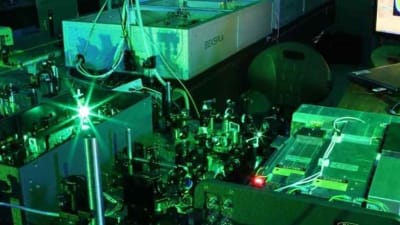
Kristin Sampayan from the Lawrence Livermore National Laboratory found a fast way to switch high voltages.
Briefs: Electronics & Computers
This new technique shields electronics from ionizing radiation in applications such as military and space exploration.

Briefs: Energy
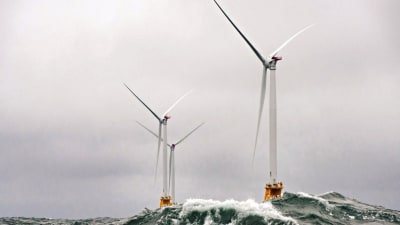
Applications include wind turbines, solar arrays, commercial space mobile launchers, and industrial process stacks and equipment.
Briefs: Semiconductors & ICs
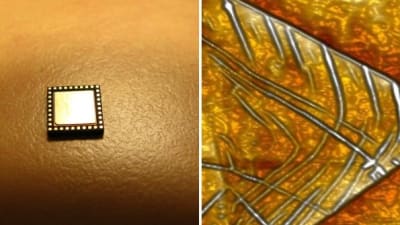
The microchips are about 100 times smaller than conventional microchips.
Briefs: Energy
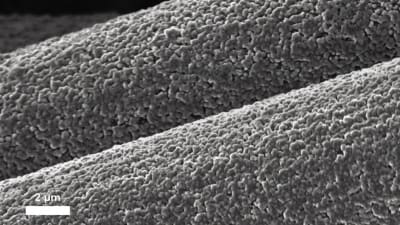
The battery is smaller than a traditional lithium-ion battery due to the elimination of dendrites.
Briefs: Electronics & Computers
The oscillator is designed for localized clock signal generation and data transmission in telemetry systems and remote sensing.

Briefs: Test & Measurement
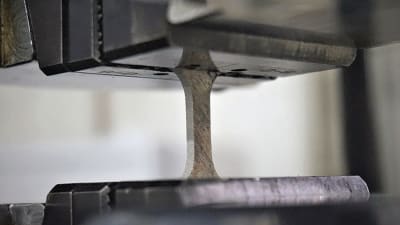
Superalloys that withstand extremely high temperatures could be finely tuned for specific properties such as mechanical strength.
Briefs: Energy
The circuitry uses race logic to solve complex problems with a minimum expenditure of energy.

Briefs: Materials
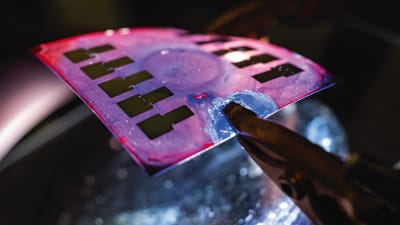
These organic solar cells can be useful where constant, low power generation is sufficient.
Briefs: Photonics/Optics
The technology potentially enables a new generation of miniaturized electronic and optoelectronic devices.

Briefs: Electronics & Computers
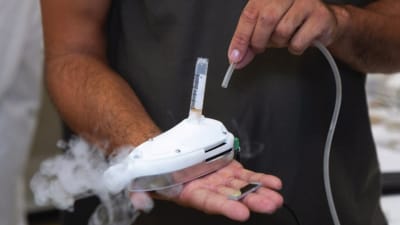
High-frequency sound waves can be used to build new materials, make smart nanoparticles, and even deliver drugs to the lungs for painless, needle-free vaccinations.
Briefs: Materials
By introducing defects to a common material, a highly efficient capacitor offers dramatically increased energy density.

Briefs: Automotive
Solid-state batteries offer a higher level of safety and potentially longer life than lithium-ion batteries.

Briefs: Medical
A flexible device worn on the wrist harvests heat energy from the human body to monitor health.

Briefs: Medical
By capturing more cancer cells than blood draw screening, this device could help doctors understand a tumor’s biology and make decisions about treatment.
Briefs: Materials
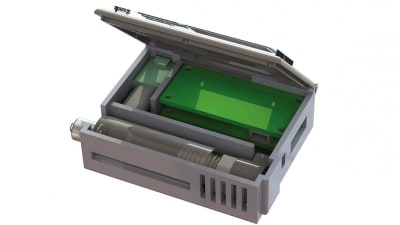
An enhanced polymer could be used for more energy-efficient systems with a smaller carbon footprint.

Blog: Mechanical & Fluid Systems
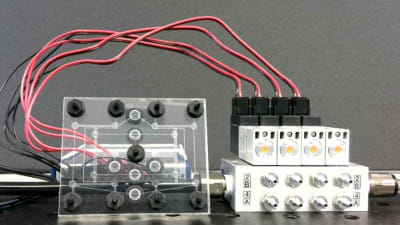
While soft robots hold promise in applications ranging from search-and-rescue efforts to wearable exoskeletons, the technologies are often held back by the electronics, says William Grover, a...
Question of the Week: Wearables
Will ‘Sweat Power’ Make Wearables Mainstream?
Engineers at the University of California San Diego developed a thin, flexible strip that can be worn on a fingertip and generate small amounts of electricity when a person’s finger sweats or presses on it. (Watch the demo on Tech Briefs TV.)
Blog: Transportation
A self-driving algorithm guides an autonomous vehicle through a traffic scenario that many of us know well: navigating traffic on a crowded, narrow street.

Question of the Week: Electronics & Computers
Will Interstate Power Coils Charge Electric Vehicles as They Drive?
Our “Q&A” article in the July issue of Tech Briefs highlighted the work of Dr. Burak Ozpineci from Oak Ridge National Laboratory. Ozpineci and his team are building a wireless power-transmission system that charges an electric vehicle as it drives along the road.
Blog: Software
A reader asks our expert how to contain a "thermal runaway" explosion in a lithium-ion battery.

Blog: Software
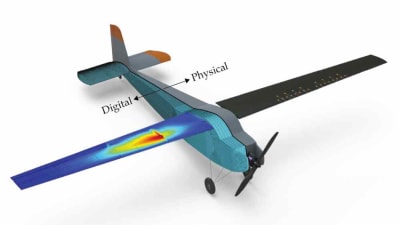
"We could imagine a digital twin of just about any system," says Karen Willcox, director of the Oden Institute.
INSIDER: Photonics/Optics
Sometimes photos cannot truly capture a scene. How much more epic would that vacation photo of Niagara Falls be if the water were moving?

Question of the Week: Energy
Will ‘Mass-Less’ Energy Storage Finally Catch On?
A July Tech Brief highlights a “structural battery” from the Chalmers University of Technology that uses carbon fiber as a negative electrode and a lithium iron phosphate-coated aluminum foil as the positive electrode. The battery works as both a power source and as part of the main...
Blog: RF & Microwave Electronics
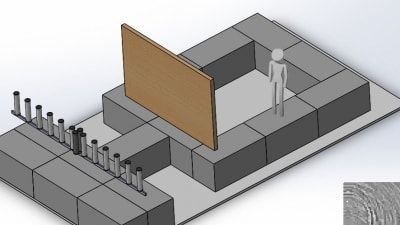
With the help of 12 antennas, Fabio da Silva's m-Widar can spot — and image — objects hidden behind a wall.
Special Reports: Software

Vehicle Electrification - July 2021
GM electrifies the new Corvette...a French nanomaterials company aims for a 5-minute EV recharge...Triumph unveils a radical new electric sportbike design. These are just a few of the innovations you'll read...Briefs: Software
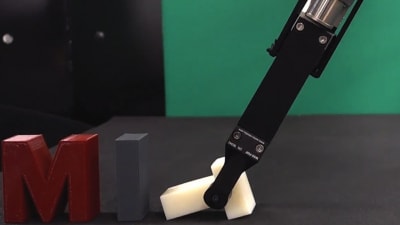
The algorithm speeds up the planning process robots use to adjust their grip on objects for picking and sorting or tool use.
Briefs: Mechanical & Fluid Systems
A production-based X-ray solution performs product quality evaluation directly on the manufacturing line.

Briefs: Packaging & Sterilization
This portable method could enable hospitals to make their own supply of the disinfectant on demand and at lower cost.
Top Stories
 Blog: Power

My Opinion: We Need More Power Soon — Is Nuclear the Answer?
 Blog: AR/AI
Aerial Microrobots That Can Match a Bumblebee's Speed
 News: Energy

 Blog: Electronics & Computers

Turning Edible Fungi into Organic Memristors
 Blog: Robotics, Automation & Control

Microscopic Swimming Machines that Can Sense, Respond to Surroundings
 INSIDER: Sensors/Data Acquisition

Webcasts
 Upcoming Webinars: Automotive

Hydrogen Engines Are Heating Up for Heavy Duty
 Upcoming Webinars: Transportation

Advantages of Smart Power Distribution Unit Design for Automotive...
 Upcoming Webinars: Transportation

Quiet, Please: NVH Improvement Opportunities in the Early Design...
 Upcoming Webinars: Sensors/Data Acquisition

From Spreadsheets to Insights: Fast Data Analysis Without Complex...
 Upcoming Webinars: Test & Measurement

Battery Abuse Testing: Pushing to Failure
 Upcoming Webinars: Transportation