Stories
73
0
150
30
Application Briefs: Propulsion
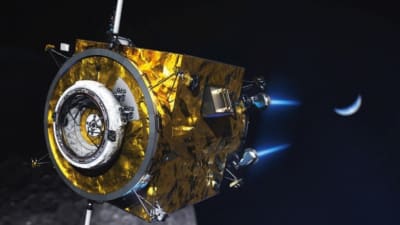
The power and propulsion element of NASA’s Gateway is a high-power, 50-kilowatt solar electric propulsion spacecraft.
Briefs: Aerospace
The low-density, graphene-based aerogel could make aircraft as quiet as a hairdryer.

Articles: Propulsion
With Artemis II — the first crewed flight of SLS and Orion — four astronauts will travel to the lunar environment in 2024.

Articles: Mechanical & Fluid Systems
Artemis I will launch from Kennedy Space Center into Earth orbit, where it will travel 40,000 miles beyond the Moon.

Articles: Manufacturing & Prototyping
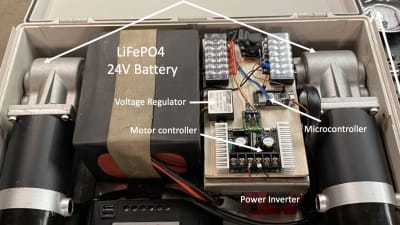
The e-kit promises to be a low-cost solution in the developing world.
Articles: Mechanical & Fluid Systems
With the Space Launch System (SLS) rocket and Orion spacecraft, NASA will return humans to the lunar surface.

Articles: Robotics, Automation & Control
A vision-based control algorithm saves a quadrotor after the complete loss of a single motor.

Blog: Power
One EV design is bring power out toward the wheel. But is the design here to stay? A Tech Briefs reader asks an expert at SAE.

Blog: Aerospace
A NASA expert answers your questions about the upcoming Artemis mission that will send astronauts back to the Moon.

Special Reports: Propulsion
Space Technology - October 2021
A new era of space exploration is set to begin with Artemis 1, the first in a series of increasingly complex NASA missions that will take humans back to the moon and then on to Mars. Read all about it in this...Application Briefs: Sensors/Data Acquisition
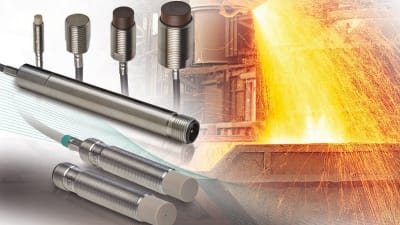
Eddy current displacement sensors can make measurements in harsh Industrial environments, even where pressure, dirt, or temperature fluctuations occur.
Application Briefs: Mechanical & Fluid Systems
See how COMSOL is supporting upcoming modifications to railway infrastructure in India.

Blog: Propulsion
Before human explorers can head to the Moon and beyond, they need to tackle these three important tasks.

Articles: Automotive
CEO Keith Moore tells Tech Briefs about the unique challenges facing testing engineers in aerospace.

Blog: Propulsion
A team at the University of Tsukuba used a beam of microwave radiation to a launch a drone into the air. Can this type of propulsion take off?

Special Reports: Manufacturing & Prototyping

Medical Robotics - September 2021
Self-propelled nanobots that deliver drugs inside the human body...novel sensors that improve the safety and precision of industrial robots...a dynamic hydrogel material that makes building soft robotic devices...Briefs: Aerospace
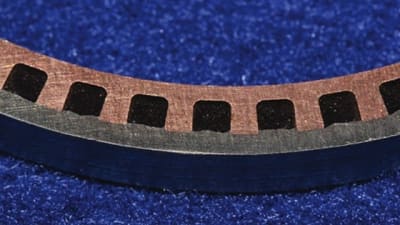
This method is a faster way to manufacture combustion chambers and nozzles for aerospace propulsion as well as heat exchangers in oil and gas applications.
Briefs: Energy
The reaction converts 90% of plastic to jet fuel and other valuable hydrocarbon products within an hour at moderate temperatures.

Briefs: Energy
This fuel cell could power a variety of transportation modes such as unmanned underwater vehicles, drones, and eventually electric aircraft.

Briefs: Propulsion
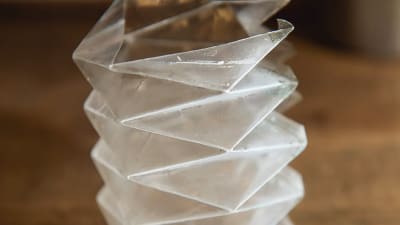
A folded plastic bladder could store and pump the fuel.
Briefs: Motion Control
The soft robot harvests energy from a laser beam and can crawl on horizontal surfaces and climb vertical walls and an upside-down glass ceiling.

Briefs: Propulsion
The valve enables telerobotic resupplying of media such as propellant and pressurant.

Briefs: Manufacturing & Prototyping
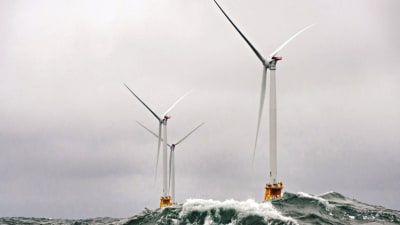
Applications include wind turbines, solar arrays, commercial space mobile launchers, and industrial process stacks and equipment.
Briefs: Mechanical & Fluid Systems
This below-the-hook device enables gentle crane placement to decrease the risk of property damage.

Question of the Week: Energy
Will 'Zero-Impact' Planes Take Off?
Our May issue of Tech Briefs highlighted a hybrid-electric aircraft design from MIT that, according to its creators, could reduce global nitrogen oxide (NOx) emissions by 95 percent.
Articles: Mechanical & Fluid Systems
These 6 advancements are leading us to cleaner, faster aircraft.

Briefs: Manufacturing & Prototyping
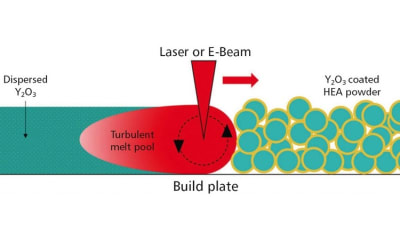
This additively manufactured alloy is tailored for high-temperature applications.
Briefs: Propulsion
Using microwaves reduces the cost of launching rockets.

Briefs: Materials
The thruster provides a low-cost, extremely efficient propulsion source for miniature satellites.
Top Stories
 Blog: Sensors/Data Acquisition

Going for Gold in Winter Olympic Curling
 Blog: Energy

Batteries that Can Withstand the Cold
 INSIDER: Design

Advancing All-Solid-State Batteries
 Blog: Design

 Blog: Materials

Making Tungsten Carbide a More Viable Alternative
 INSIDER: Power

Webcasts
 Upcoming Webinars: Sensors/Data Acquisition

Beyond AI-Copy-Paste Engineering: Advanced AI-Integration Success...
 Upcoming Webinars: Energy

Battery Abuse Testing: Pushing to Failure
 Upcoming Webinars: Power

A FREE Two-Day Event Dedicated to Connected Mobility
 Upcoming Webinars: Test & Measurement

Choosing the Right N-Port Strategy: Multiport VNAs vs. Switch...
 Upcoming Webinars: Energy

2026 Battery & Electrification Summit (Online)
 Upcoming Webinars: Mechanical & Fluid Systems

The Over-Engineering Trap: Aligning Custom Equipment Specs with...