Stories
49
11
0
240
30
Blog: Transportation
A reader asks our expert: When it comes to autonomous vehicles, what’s best: Radar, LiDAR, or cameras?

Products: Sensors/Data Acquisition
Safety-critical MEMS, absolute pressure sensors, thermal imaging cameras, and more.
Special Reports: Automotive
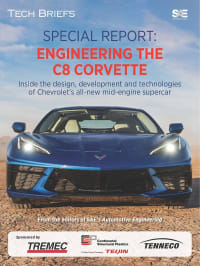
Inside the New C8 Corvette - September 2020
The eighth generation Corvette achieves a rare benchmark: a 200 mph supercar that can sprint from standstill to 60 mph in less than three seconds while offering long-distance comfort, ample cargo...Special Reports: Electronics & Computers

Power Electronics - September 2020
This compendium of recent articles from the editors of Tech Briefs and Aerospace & Defense Technology looks at the latest advances in power electronics and energy storage for a range of applications...Briefs: Electronics & Computers
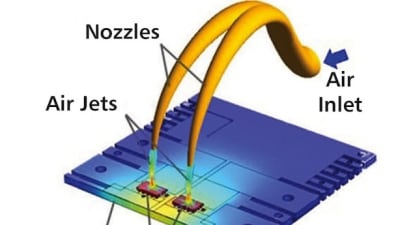
Additive manufacturing creates cooling solutions with sizes and shapes not previously possible.
Blog: Electronics & Computers
Deciding between edge computing and cloud computing? Make sure to consider these four major factors, says our industry expert.

Articles: Energy
Cell chemistries, thermal dynamics, vehicle packaging, and even weather present challenges for optimizing electric vehicle battery functional safety.

Articles: Energy
To achieve vehicle manufacturers’ ambitious goals for electric vehicles, Li-ion batteries need to be improved.

Q&A: Transportation
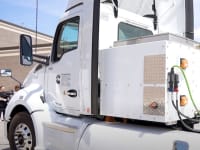
A new system from Oak Ridge National Laboratory enables electric vehicles to be charged while on the road.

Briefs: Materials
Lithium batteries made using this electrode type could be much safer than typical lithium metal-based batteries.
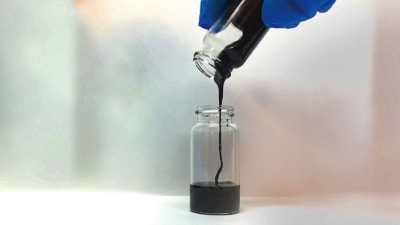
Briefs: Electronics & Computers
These are important traits in electronics and electrical systems including electric cars, industrial drills, and electric grids.
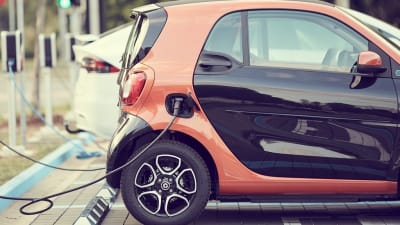
Briefs: Sensors/Data Acquisition
This technique offers enhanced resolution and improved system reliability for mapping and obstacle recognition and navigation for vehicles.

NASA Spinoff: Energy
The NASA-funded nanoparticle lubricant also works in satellites and space vehicles.

Briefs: Materials
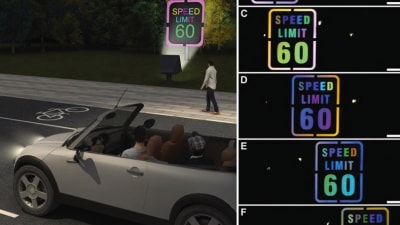
The technology could help call attention to important traffic information when it’s dark, with potential benefits for both drivers and pedestrians.
Special Reports: Automotive
Vehicle Electrification - July 2020
The global transition to electric vehicles presents new design, manufacturing, and infrastructure challenges. To help you keep pace with the rapid changes in vehicle electrification technology, we present...Briefs: Automotive
A quantum material could offset energy demand of artificial intelligence.
Briefs: Electronics & Computers
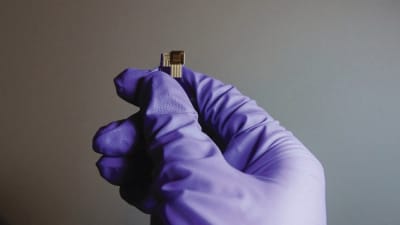
Solid-State Lithium Battery
This thin film battery can be used for on-package power in mass market electric vehicles (EVs) and electronic devices.
Briefs: Transportation
Bio-Inspired Propulsion
Frequencies and passive dynamics of vehicles moving in air or water help enhance propulsion performance.
Briefs: Energy
The new technology demonstrates a 20 percent savings in fuel in typical passenger car low-load operating conditions.

Briefs: Transportation
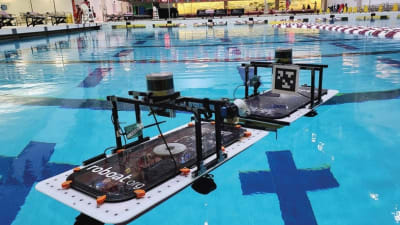
A fleet of “roboats” could transport people, collect trash, and self-assemble into floating structures.
Briefs: Transportation
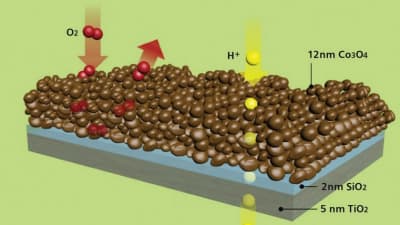
A new design enables artificial photosynthesis to generate fuel that can power homes and vehicles.
Question of the Week: Energy
Will On-Demand Octane Improve Fuel Economy?
A video on Tech Briefs TV this month demonstrated a Pacific Northwest National Laboratory technology that enables on-demand octane by portioning ethanol from gasoline. PNNL researchers believe their invention could increase fuel economy and lower greenhouse gas emissions. Do you agree? Watch the video on...
Special Reports: Internet of Things
ADAS/Connected Car - June 2020
Today's Advanced Driver Assistance Systems (ADAS) and connected cars are paving the way for tomorrow's automated vehicles. To help you keep pace with the latest technology developments, we present this compendium...Articles: Energy
Nature-Inspired Energy Tech, Superelastic Tires, Wearable Supercapacitors, and more...

Blog: Electronics & Computers
The Los Angeles, CA-based company Nanotech Energy is using graphene to prevent thermal runaway and create a non-flammable battery.
Articles: Imaging
Xilinx is now applying AI to the in-cabin environment.

Briefs: Energy
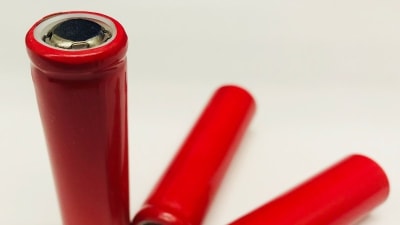
The method slashes battery testing times — a key barrier to longer-lasting, faster-charging batteries for electric vehicles.

Briefs: Test & Measurement
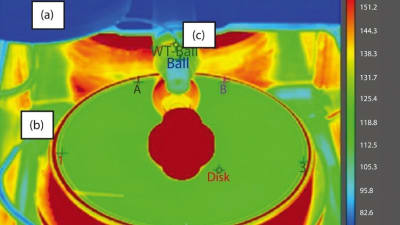
A new method could enable vehicles and equipment to better withstand high temperatures, loads, and speeds.
Question of the Week: Robotics, Automation & Control
Will 'Metal-Air Scavengers' Power Vehicles and Robots?
Penn Engineering researchers have introduced a "metal-air scavenger" vehicle, which gets energy not from a battery, but from breaking chemical bonds in the aluminum surface it travels over. The technology, which works like both a battery and an energy harvester, has 13 times more energy density...
Top Stories
 Blog: Software

Going for Gold in Winter Olympic Curling
 Blog: Energy

Batteries that Can Withstand the Cold
 Blog: Lighting

A Stretchable OLED that Can Maintain Most of Its Luminescence
 INSIDER: Energy

Advancing All-Solid-State Batteries
 Blog: Physical Sciences

 Blog: Design

Webcasts
 On-Demand Webinars: Aerospace

Cooling a New Generation of Aerospace and Defense Embedded Computing...
 Upcoming Webinars: Test & Measurement

Beyond AI-Copy-Paste Engineering: Advanced AI-Integration Success...
 Upcoming Webinars: Test & Measurement

Battery Abuse Testing: Pushing to Failure
 Upcoming Webinars: Automotive

A FREE Two-Day Event Dedicated to Connected Mobility
 Upcoming Webinars: Test & Measurement

Choosing the Right N-Port Strategy: Multiport VNAs vs. Switch...
 Upcoming Webinars: AR/AI