Stories
6,36,37,43,46,48,50,56,58,59,60
7,8,36,110,131,134,135,138,139,141,142,144,145,151,152,201,202
-1
1680
30
Briefs: Materials
The technology recovers pure and precious metals from alloys in cellphones and other electrical waste.

Briefs: Energy
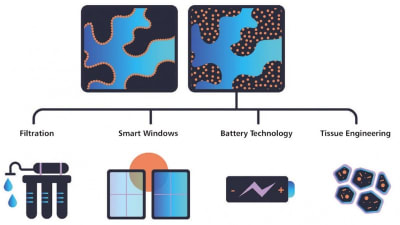
This novel gel-creation method could open applications in water filtration, batteries, and smart windows.
Briefs: Green Design & Manufacturing
The solution increases water recovery, prevents mineral scaling, and cuts the volume of brines in half.

Briefs: Green Design & Manufacturing
The desalination method produces clean water while, at the same time, potentially capturing valuable metals such as gold.

Application Briefs: Test & Measurement
The Earth Imaging Spectrometer instrument is heading to the International Space Station (ISS) in 2022.

Q&A: Electronics & Computers
Kristin Sampayan from the Lawrence Livermore National Laboratory found a fast way to switch high voltages.
Briefs: Electronics & Computers
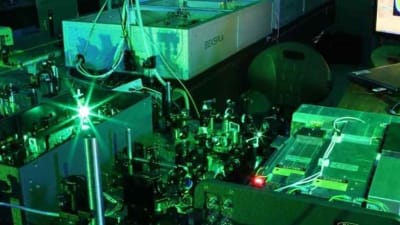
This new technique shields electronics from ionizing radiation in applications such as military and space exploration.

Briefs: Energy
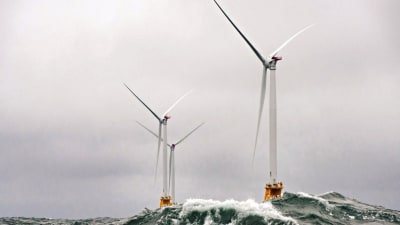
Applications include wind turbines, solar arrays, commercial space mobile launchers, and industrial process stacks and equipment.
Briefs: Medical
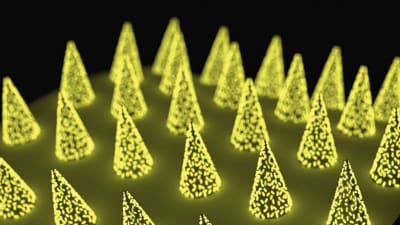
The patch can replace blood draws to test for antibodies that signal a viral or bacterial infection such as SARS-CoV-2.
Briefs: Nanotechnology
The technology potentially enables a new generation of miniaturized electronic and optoelectronic devices.

Briefs: Electronics & Computers
High-frequency sound waves can be used to build new materials, make smart nanoparticles, and even deliver drugs to the lungs for painless, needle-free vaccinations.
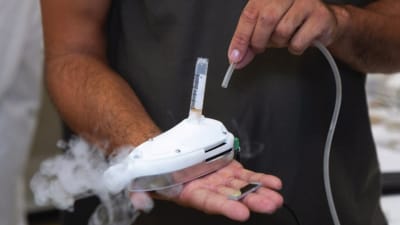
Facility Focus: Manufacturing & Prototyping
WPI supports research in tissue engineering and regenerative medicine, cybersecurity, and fire safety.
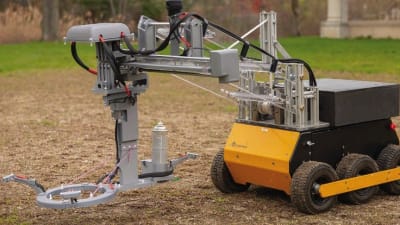
Briefs: Transportation
The lightweight brake rotor design with high heat dissipation uses novel surface cooling technology.

Briefs: Energy
A flexible device worn on the wrist harvests heat energy from the human body to monitor health.

Briefs: Medical
By capturing more cancer cells than blood draw screening, this device could help doctors understand a tumor’s biology and make decisions about treatment.
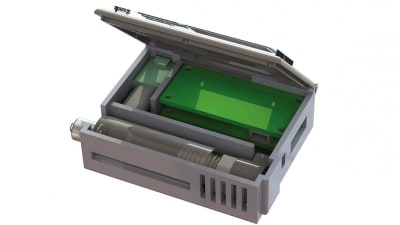
UpFront: Sensors/Data Acquisition
NASA's Landslide Reporter, a smarter cement, and a way to track microplastics in the ocean.

Application Briefs: Mechanical & Fluid Systems
After rigorous ground testing, NASA’s Four Bed Carbon Dioxide Scrubber will be installed on the ISS.
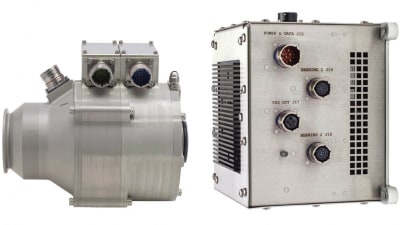
Briefs: Manufacturing & Prototyping
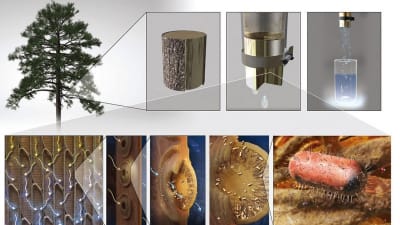
Prototypes show promise as a low-cost, natural filtration option.
Briefs: Materials
The high-quality bioplastics can be molded into a film that can be used in plastic bags and packaging.

INSIDER: Aerospace
Labsphere, Inc. announced plans to locate a Field Line of sight Automated Radiance Exposure (FLARE) testing site at Arizona State University's (ASU) Polytechnic campus as part...

INSIDER: Photonics/Optics
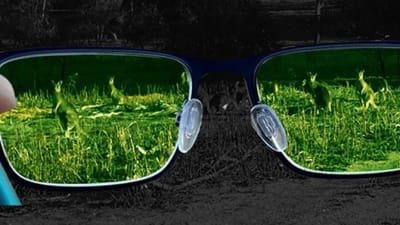
The demand for detecting infrared (IR) light, invisible to human eyes, is constantly growing, due to a wide variety of applications ranging from food quality control and remote sensing to...
Briefs: Materials
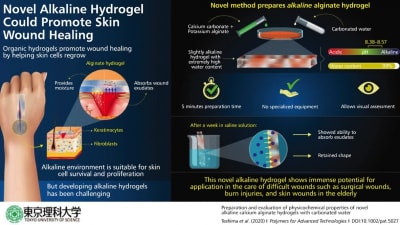
A novel method was developed to produce an alkaline hydrogel that could improve wound healing.
Briefs: Medical
The app detects fluid behind the eardrum using a piece of paper and a smartphone’s microphone and speaker.

Briefs: Manufacturing & Prototyping
This portable method could enable hospitals to make their own supply of the disinfectant on demand and at lower cost.
Briefs: Test & Measurement
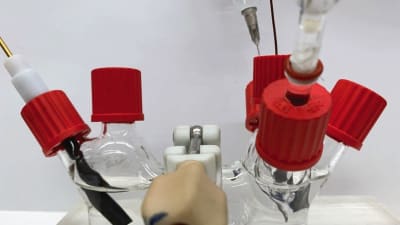
Microspheres are used in wind tunnel experiments to monitor airflow, to stain biological samples, and in time-delayed drug release.

5 Ws: Materials
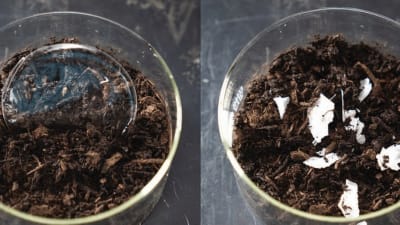
A new enzyme-activated compostable material could diminish microplastics pollution.
Briefs: Mechanical & Fluid Systems
Terrestrial uses include physical therapy, clinical diagnosis, athletic training and performance, and robust exercise equipment.

Briefs: Medical
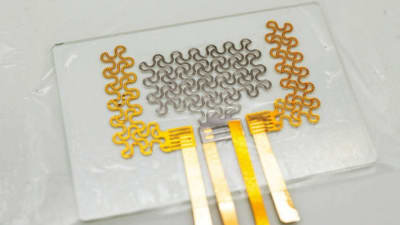
This wearable device is placed on the skin to measure a variety of body responses, from electrical to biomechanical signals.
Briefs: Sensors/Data Acquisition
The system uses infrasonic acoustics for weather monitoring and for drone or UAV activity.

Top Stories
 Blog: Power

My Opinion: We Need More Power Soon — Is Nuclear the Answer?
 Blog: AR/AI
Aerial Microrobots That Can Match a Bumblebee's Speed
 News: Energy

 Blog: Electronics & Computers

Turning Edible Fungi into Organic Memristors
 Blog: Robotics, Automation & Control

Microscopic Swimming Machines that Can Sense, Respond to Surroundings
 INSIDER: Sensors/Data Acquisition

Webcasts
 Upcoming Webinars: Energy

Hydrogen Engines Are Heating Up for Heavy Duty
 Upcoming Webinars: Transportation

Advantages of Smart Power Distribution Unit Design for Automotive...
 Upcoming Webinars: Automotive

Quiet, Please: NVH Improvement Opportunities in the Early Design...
 Upcoming Webinars: Test & Measurement

From Spreadsheets to Insights: Fast Data Analysis Without Complex...
 Upcoming Webinars: Power

Battery Abuse Testing: Pushing to Failure
 Upcoming Webinars: Internet of Things