
Stories
44
127
0
120
30
Q&A: Energy
Dr. Burak Ozpineci is developing a system that charges electric vehicles while driving.

Briefs: Materials
The technology harvests electrical energy from waste heat sources.
INSIDER: Medical
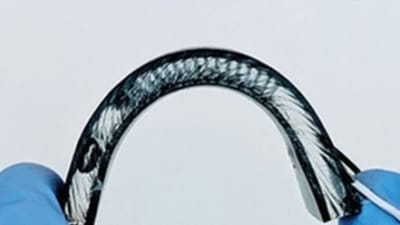
North Carolina State University engineers continue to improve the efficiency of a flexible device worn on the wrist that harvests heat energy from the human body to monitor health.
Technology Leaders: Test & Measurement
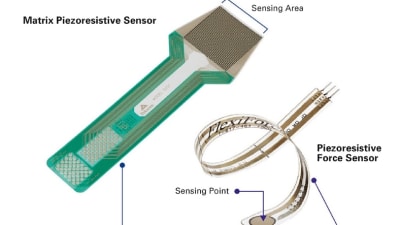
Ultra-thin piezoresistive sensors can be used in both R&D and as embedded components to develop safer, longer-lasting lithium-ion battery technologies.
Technology Leaders: Energy
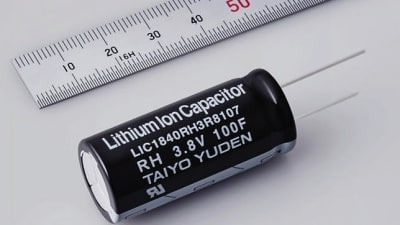
Learn about the properties of each capacitor option, and their ideal applications.
Blog: RF & Microwave Electronics
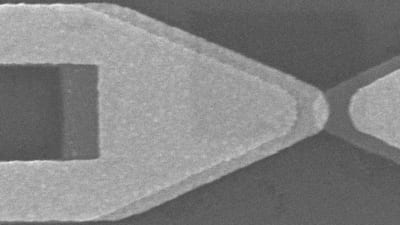
Researchers from CU Boulder gave their optical "rectennas" a ghost-like way to turn wasted heat into power.
Briefs: Energy
A new electrocatalyst efficiently converts carbon dioxide into ethanol.

Q&A: Energy
Professor Qiaoqiang Gan of the University at Buffalo (NY) and his team developed a unique two-in-one system that uses solar energy for simultaneously cooling and heating — without electricity.

Blog: Electronics & Computers
You have the power. That's the idea behind a "wearable microgrid" from the University of California San Diego that harvest and stores energy from your body to power electronics.

INSIDER: Electronics & Computers
Rice University engineers have suggested a colorful solution to next-generation energy collection: Luminescent solar concentrators (LSCs) in your windows. The team designed and built...

INSIDER: Wearables
Researchers at CU Boulder have developed a new, low-cost, wearable device that transforms the human body into a biological battery. The device is stretchy enough that you can wear it like a...

Briefs: Wearables
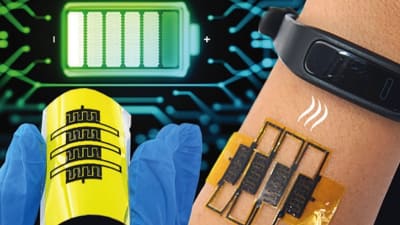
A stretchable system can harvest energy from human breathing and motion.
Briefs: Energy
Research demonstrates the potential of a solar unit that can hang on the outside of a structure.

Briefs: Electronics & Computers
The chip could provide low-voltage power for small devices or sensors.

Briefs: Energy
This device for harnessing terahertz radiation might enable self-powering implants, cellphones, and other portable electronics.
Articles: Wearables
A malaria-test "bandage"; underwater navigation via sound; and a biodegrading, implantable sensor.

INSIDER: Energy
A team of University of Arkansas physicists has successfully developed a circuit capable of capturing graphene’s thermal motion and converting it into an electrical current.

Articles: Mechanical & Fluid Systems
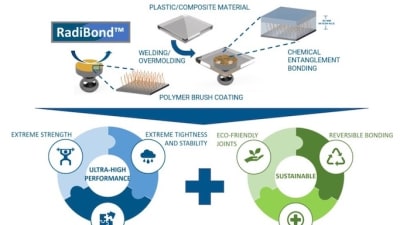
RadiBond technology, based on nanometer-thin coatings, provides ultra-strong and ultra-tight bonding between metals and plastics.
Articles: Materials
A new process can turn bulk quantities of just about any carbon source into valuable graphene flakes.

Question of the Week: Energy
Will Indoor Light Someday Power Our Smart Devices?
Our lead INSIDER story today looks at “perovskite-inspired” materials that can absorb indoor light at higher efficiencies than ever before.
Blog: Energy
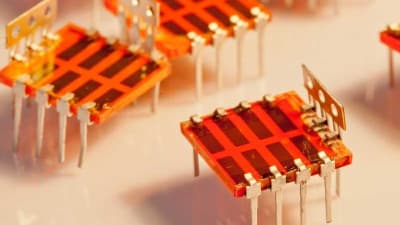
A new material is especially effective at absorbing indoor light and converting it into usable energy.
Blog: Energy
The soil microbial fuel cells produce energy to filter enough water for a person’s daily needs, with potential to increase scale.

Special Reports: Manufacturing & Prototyping

Medical Robotics - November 2020
From the operating room to the assembly line, robots are changing the medical industry. Check out the latest advances and amazing applications in this compendium of recent articles from the editors of Medical...5 Ws: Materials
Users can take paper sheets from a notebook and turn them into a music player interface or make food packaging interactive.

Briefs: Green Design & Manufacturing
A customizable smart window harnesses and manipulates solar power to save energy and cut costs.

Briefs: Energy
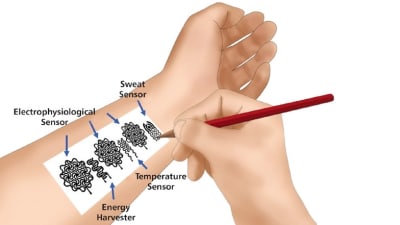
People could monitor their own health conditions by picking up a pencil and drawing a bioelectronic device on their skin.
INSIDER: Photonics/Optics
Almost all satellites are powered by solar cells – but solar cells are heavy. While conventional high-performance cells reach up to three watts of electricity per gram,...
INSIDER: Electronics & Computers
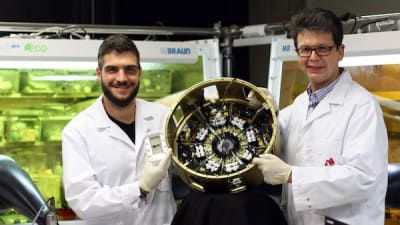
Researchers from the Okinawa Institute of Science and Technology Graduate University (OIST) have created next-generation solar modules with high efficiency and good stability....

Facility Focus: Test & Measurement
Stennis now is testing RS-25 rocket engines for the Space Launch System (SLS) that will carry humans back to the Moon.

Top Stories
 Blog: Design

Aerial Microrobots That Can Match a Bumblebee's Speed
 Blog: Manufacturing & Prototyping

Revolutionizing the Production of Semiconductor Chips
 Blog: Electronics & Computers

Turning Edible Fungi into Organic Memristors
 News: Energy

 INSIDER: Propulsion

World’s Smallest Programmable, Autonomous Robots
 INSIDER: Design

Webcasts
 On-Demand Webinars: Energy

Powering America’s EV Future: Connect, Collaborate, Innovate
 Upcoming Webinars: Motion Control

Next-Generation Linear and Rotary Stages: When Ultra Precision...
 Upcoming Webinars: Power

E/E Architecture Redefined: Building Smarter, Safer, and Scalable...
 Upcoming Webinars: Energy

Hydrogen Engines Are Heating Up for Heavy Duty
 Upcoming Webinars: Transportation

Advantages of Smart Power Distribution Unit Design for Automotive...
 Upcoming Webinars: Automotive

Quiet, Please: NVH Improvement Opportunities in the Early Design...