
Stories
38
0
1500
30
Briefs: Electronics & Computers
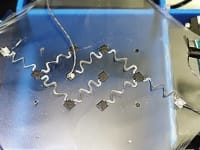
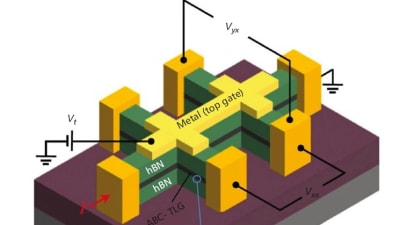
The multitasking device could advance development of an electric circuit for faster, next-generation electronics like quantum computing technologies.
Briefs: Electronics & Computers
Heat predictably and precisely changes the surface structure of a particle of liquid metal.

Briefs: Photonics/Optics
Optically Reconfigurable Charge-Transfer Liquid Crystals
These re-writeable materials have applications in data storage and encryption, energy transducers, and optical display technologies.
NASA Spinoff: Aerospace
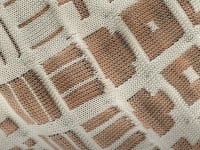
Wool from special sheep keeps astronauts and emergency responders safe.

Articles: Nanotechnology
Nature-Inspired Energy Tech, Superelastic Tires, Wearable Supercapacitors, and more...

Facility Focus: Mechanical & Fluid Systems
Rensselaer Engineering focuses on solving the “grand challenges” facing humanity.
Briefs: Motion Control
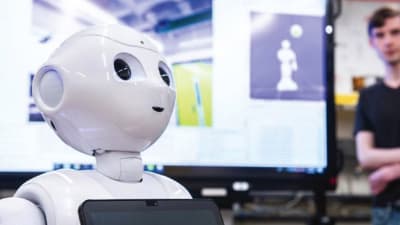
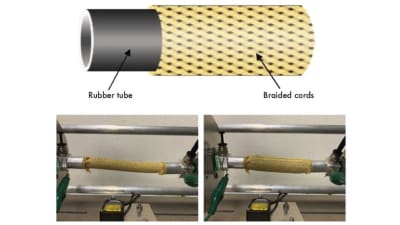
The new method produces strips of rubbery material that can pick up and release objects.

Briefs: Motion Control
This type of energy source could be the basis for robots that seek out and “eat” metal, breaking down its chemical bonds for energy like humans do with food.

Briefs: Photonics/Optics
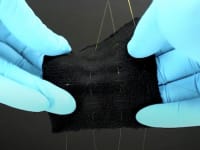
Combined muscles and sensors made from soft materials allow for adaptable robots.
Articles: Test & Measurement
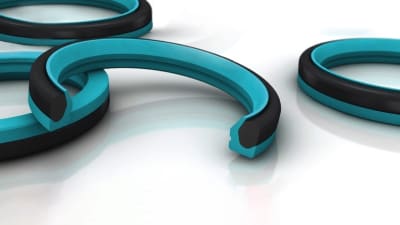
Taking a holistic approach to sealing systems in hydraulic systems using chrome alternatives helps engineers achieve optimum function.
Articles: Mechanical & Fluid Systems
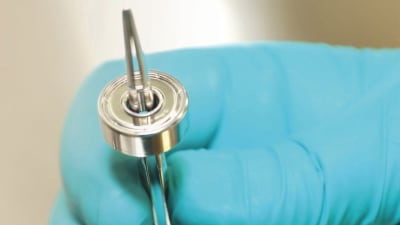
New measurement methodologies can save you time that would otherwise be wasted on returning and reordering bearing.
Question of the Week: Materials
How Would You Use Gecko-Inspired Adhesion?
A team at Georgia Tech has discovered a Velcro-like way of mass-producing gecko-inspired adhesives. Principal investigator Prof. Michael Varenberg believes his team’s technology can someday be used on pick-and-place industrial machines, wall-scaling cleaners, and even small repair robots that travel on...
Blog: Transportation
The Los Angeles, CA-based company Nanotech Energy is using graphene to prevent thermal runaway and create a non-flammable battery.

Blog: Materials
A team at Georgia Tech has discovered a Velcro-like way of mass-producing gecko-inspired adhesives.

Blog: Robotics, Automation & Control
A proof-of-concept soft robot has a cheetah-like gait that avoids the usual crawl.
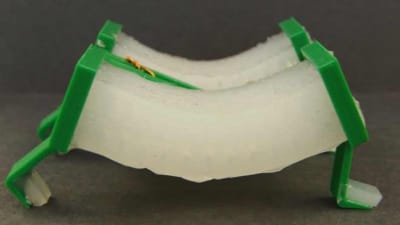
Question of the Week: Manufacturing & Prototyping
Will ‘Flexoskeletons’ Catch On?
Engineers at the University of California San Diego have found a new way to make soft, flexible, 3D-printed robots. The “flexoskeletons” are both made of a rigid material and a thin sheet of polycarbonate that acts as a flexible base. Watch the demo on Tech Briefs TV.
What do you think? Will...
INSIDER: Photonics/Optics
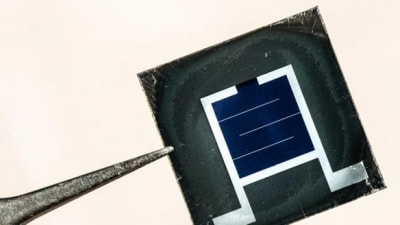
The future’s getting brighter for solar power. Researchers from CU Boulder have created a low-cost solar cell with one of the highest power-conversion efficiencies to date...
Application Briefs: Imaging
With the recent boom in touch-based, polymer display substrates must be fingerprint-resistant.

Q&A: Manufacturing & Prototyping
A new process will reduce the cost of manufacturing graphene by a factor of more than 100.

Briefs: Sensors/Data Acquisition
This method uses fiber optic probes for measurement of semiconductors, optical coatings, magnetic read/write heads, and precision machines.

Facility Focus: Aerospace
This NASA center hosts the world’s greatest collection of wind tunnels and flight simulation facilities

Briefs: Electronics & Computers
Next-generation devices made with a “peel and stack” method could include electronic chips worn on the skin.
Briefs: Manufacturing & Prototyping
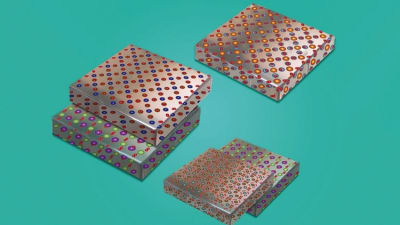
A new method could enable vehicles and equipment to better withstand high temperatures, loads, and speeds.

Articles: Electronics & Computers
A cryptographic ID tag, a high-reliability NASA switch, and a stretchable thermoelectric generator...

Briefs: Materials
This gel releases short gene sequences into the heart muscle to heal it following a heart attack.

Briefs: Electronics & Computers
It can be used both in small, portable devices for field inspections and in very large detectors that use arrays of crystals.

Briefs: Materials
This new design could conserve energy used for defrosting airplanes, appliances, and more.

Briefs: Energy
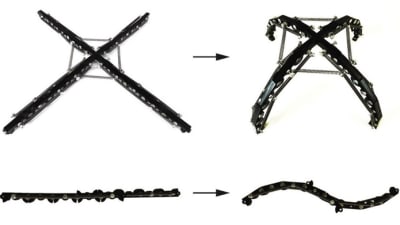
The domino effect is used to design deployable systems that expand quickly with a small push and are stable and locked into place after deployment.
Briefs: Sensors/Data Acquisition
A new way of making polymers adhere to surfaces may enable better biomedical sensors and implants.

Top Stories
 Blog: Robotics, Automation & Control
Aerial Microrobots That Can Match a Bumblebee's Speed
 Blog: Electronics & Computers

Turning Edible Fungi into Organic Memristors
 Blog: Manufacturing & Prototyping

Revolutionizing the Production of Semiconductor Chips
 News: Energy

 INSIDER: Electronics & Computers

World’s Smallest Programmable, Autonomous Robots
 INSIDER: Manufacturing & Prototyping

Webcasts
 On-Demand Webinars: Power

E/E Architecture Redefined: Building Smarter, Safer, and Scalable Vehicles
 Upcoming Webinars: Energy

Hydrogen Engines Are Heating Up for Heavy Duty
 Upcoming Webinars: Electronics & Computers

Advantages of Smart Power Distribution Unit Design for Automotive...
 Upcoming Webinars: Automotive

Quiet, Please: NVH Improvement Opportunities in the Early Design...
 Upcoming Webinars: Power

A FREE Two-Day Event Dedicated to Connected Mobility
 Podcasts: Defense

How Sift's Unified Observability Platform Accelerates Drone Innovation