Stories
33
0
750
30
5 Ws: Electronics & Computers
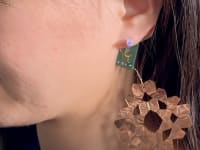
Wireless sensors inspired by Dandelions could be used to monitor climate change.

INSIDER: Materials
A Penn State-led team of interdisciplinary researchers have developed a polymer with robust piezoelectric effectiveness, resulting in 60% more efficient electricity generation than previous iterations.

Question of the Week: Materials
Is the Future of Computing in Fabrics?
Fabric-based computing is the future, according to a researcher at the Massachusetts Institute of Technology.
Products: Data Acquisition
High-performance laser trackers, gimbal motors, air-quality sensors, and more.

Briefs: Electronics & Computers
The device combines with body power to treat tendon disease and damage, and sports injuries.

Briefs: Electronics & Computers
Artificial skin reacts to pain just like real skin, paving the way to better prosthetics, robotics, and noninvasive alternatives to skin grafts.

Briefs: Energy
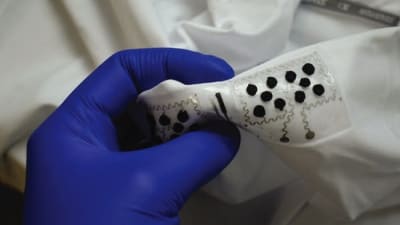
The flexible, washable microgrid uses the human body to sustainably power small electronics.
Briefs: Manufacturing & Prototyping
This method fabricates 3D nanostructures for electronics, manufacturing, and healthcare.

Briefs: Materials
This method prints 3D structures made of metal and plastic, paving the way for 3D electronics.

Products: Mechanical & Fluid Systems
Modular robot platforms, automated crane systems, motion smoothing, and more.

Blog: Medical
The future of computing is in fabrics, says Prof, Yoel Fink from MIT.

Blog: Automotive
The wire harness is changing as vehicles become “computers on wheels.” A reader asks how electrification impacts the wiring harness.

Blog: Green Design & Manufacturing
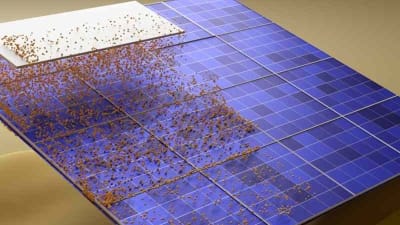
An MIT team has a water-free way to charge up dust on solar panels and repel it away.
Question of the Week: Energy
Can 'Charging Rooms' Catch On?
One of the Tech Briefs highlighted in the second section of today’s INSIDER is a “charging room” from the University of Michigan and University of Tokyo that provides electricity over the air. The aluminum test area uses magnetic fields to deliver 50 watts and power-up devices, no matter their location within...
Podcasts: Sensors/Data Acquisition
Marcus Gerhardt and his company at Blackrock Neurotech are creating a brain-computer interface that restores senses for paralyzed patients.

INSIDER: Energy
The largest ever simulation of its kind, modeled on the Texas power grid, concluded that consumers stand to save about 15 percent on their annual electric bills by partnering with...

INSIDER: Sensors/Data Acquisition
A new, internet-connected lighting system for greenhouses could sharply reduce a farmer’s electrical bill, according to a study by University of Georgia researchers.

INSIDER: Electronics & Computers
In a milestone for renewable energy integration, General Electric (GE) and the National Renewable Energy Laboratory (NREL) operated a common class of wind turbines in grid-forming mode, which...

INSIDER: Information Technology
Renewable energy has an intermittency problem — the sun provides no power at night, while winds can stop suddenly.

Blog: Sensors/Data Acquisition
Makers of a brain-computer interface recall a memorable achievement in prosthetics: A presidential handshake.

Special Reports: Aerospace

Unmanned Systems - March 2022
Powering better battlefield drones...autonomous quadcopters that fly aerobatic maneuvers...a breakthrough in compact UAV satellite communications technology. Read about these and other advances in air, ground, and...Products: Imaging
A Smart Gadget, a simulator module, and a holographic display.

Facility Focus: Mechanical & Fluid Systems
Michigan engineers and collaborators are improving smart infrastructure, autonomous transportation, weather prediction, nuclear non-proliferation, and more.
Products: Test & Measurement
Smart contactors, an industrial edge platform, tiny engines, and more.

Briefs: Electronics & Computers
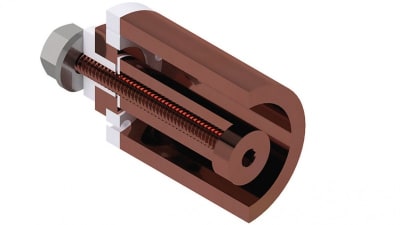
This system would extend the life of CubeSat satellites.
Briefs: Materials
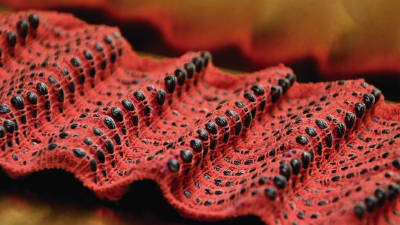
These textiles could help performers and athletes train their breathing and potentially help patients recovering from post-surgery breathing changes.
Briefs: Materials
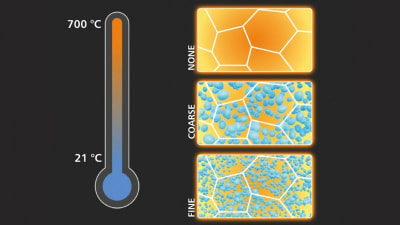
Mechanical properties, such as strength and ductility, can be improved for car, plane, and building components.
Briefs: Electronics & Computers
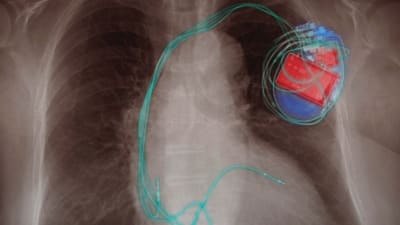
The nanothin material could advance self-powered electronics, wearable technologies, and even deliver pacemakers powered by heartbeats.
Briefs: Electronics & Computers
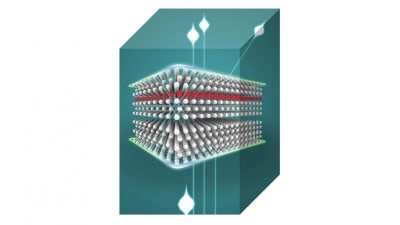
The material could potentially provide a platform for error-free quantum computing.
Top Stories
 Blog: Sensors/Data Acquisition

Going for Gold in Winter Olympic Curling
 Blog: Energy

Batteries that Can Withstand the Cold
 INSIDER: Design

Advancing All-Solid-State Batteries
 Blog: Design

 Blog: Materials

Making Tungsten Carbide a More Viable Alternative
 INSIDER: Power

Webcasts
 Upcoming Webinars: Sensors/Data Acquisition

Beyond AI-Copy-Paste Engineering: Advanced AI-Integration Success...
 Upcoming Webinars: Energy

Battery Abuse Testing: Pushing to Failure
 Upcoming Webinars: Power

A FREE Two-Day Event Dedicated to Connected Mobility
 Upcoming Webinars: Test & Measurement

Choosing the Right N-Port Strategy: Multiport VNAs vs. Switch...
 Upcoming Webinars: Energy

2026 Battery & Electrification Summit (Online)
 Upcoming Webinars: Mechanical & Fluid Systems

The Over-Engineering Trap: Aligning Custom Equipment Specs with...