40,51
-1
360
30
Briefs: Motion Control
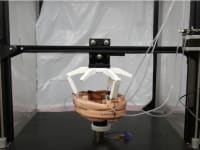
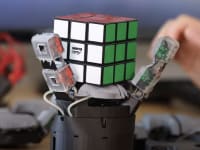
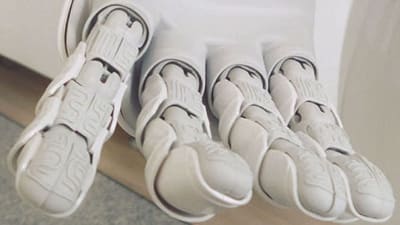
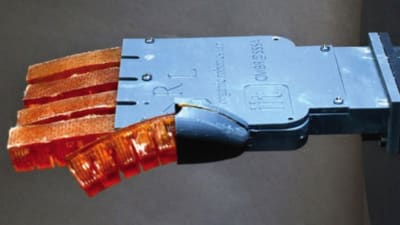
These hands, with a large grasping force, enable safer human-robot interactions.
Briefs: Mechanical & Fluid Systems
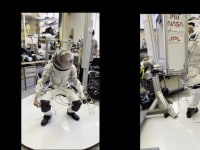
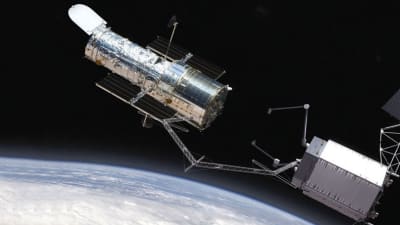
Applications include retractable covers and awnings, camera booms, and spacecraft and astronaut positioning.
Briefs: Mechanical & Fluid Systems
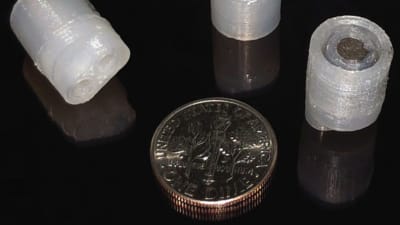
The magnetic, multi-material pump was 3D-printed all in one piece.
Briefs: Communications
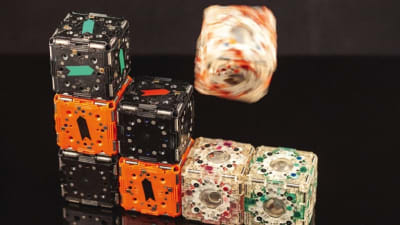
The robot blocks jump, spin, flip, and identify each other.
Briefs: Photonics/Optics
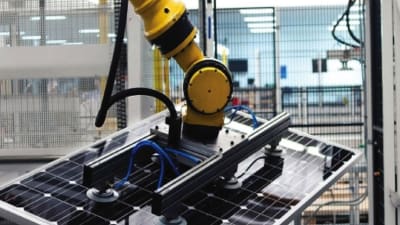
Adaptable automation reduces manufacturing time and costs.
Briefs: Imaging
This technology enables robots, electronic devices, and prosthetic devices to feel pain through sense of touch.

Briefs: Software
Future robots could be taught how to outperform humans.

Briefs: Robotics, Automation & Control
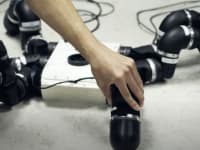
The Tentacle Bot can grip, move, and manipulate a wide range of objects.

Briefs: Manufacturing & Prototyping
This form of thermal management can help enable untethered, high-powered robots to operate for long periods of time without overheating.
Briefs: Semiconductors & ICs
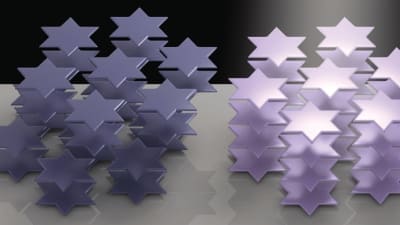
See how tantalum disulfide is supporting new kinds of optics, and potentially new kinds of application for VR and self-driving cars.
Briefs: Photonics/Optics
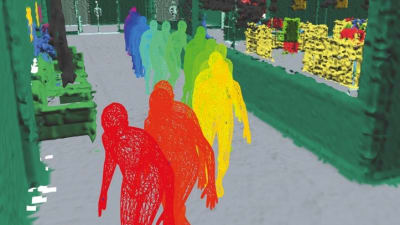
MIT engineers are envisioning robots more like home helpers.
Briefs: Photonics/Optics
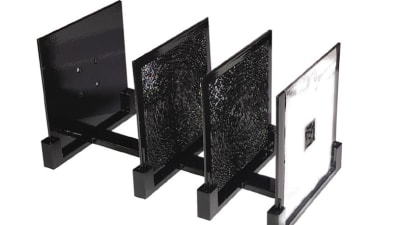
This technology can work with multiple wavelengths of light simultaneously.
Briefs: Semiconductors & ICs
Fully integrated flexible electronics made of magnetic sensors and organic circuits open the path towards the development of electronic skin.

Briefs: RF & Microwave Electronics
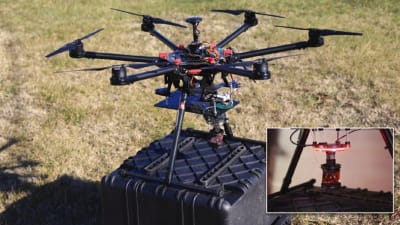
This system has a capacity of more than 1,500 times the volume of a typical testing facility.
Briefs: Aerospace
The learning approach allows swarms of unmanned vehicles to optimally accomplish their mission while minimizing performance uncertainty.

Briefs: Aerospace
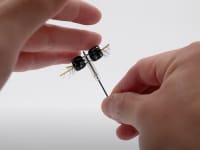
Tiny aircraft that weigh as much as a fruit fly could serve as Martian atmospheric probes.
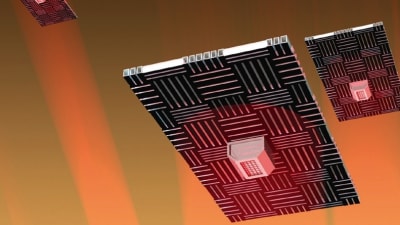
Briefs: Materials
This method could impact optical technologies such as smartphone cameras, biosensors, or autonomous vision for robots and self-driving cars.
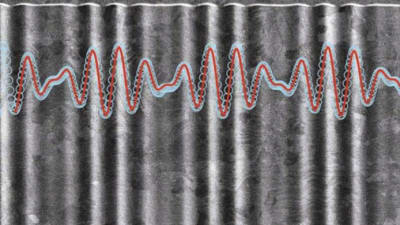
Briefs: Robotics, Automation & Control
This capability will optimize performance of the vehicle through different phases of flight.
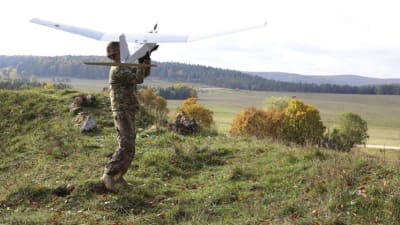
Briefs: Medical
A soft hydrogel, driven by an oscillatory chemical reaction, produces an autonomous integrated pump for microfluidic applications.

Briefs: Motion Control
This mini robot improves precision and control of teleoperated surgical procedures.

Briefs: Robotics, Automation & Control
This technique can be used by people who are paralyzed or have neurodegenerative diseases.
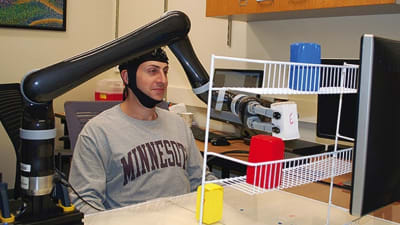
Briefs: Motion Control
This material could be used for artificial muscles that power bio-inspired robots.

Briefs: Electronics & Computers
Aerogels based on cellulose nanofibers can effectively shield electromagnetic radiation over a wide frequency range.

Briefs: Robotics, Automation & Control
This process could lead to tiny, self-powered devices for environmental, industrial, or medical monitoring.

Briefs: Robotics, Automation & Control
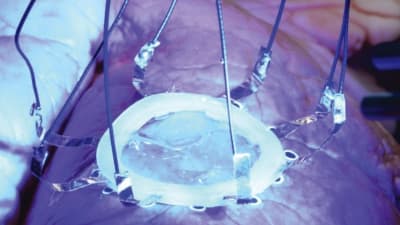
Designed to assist in robotic surgeries, biomedical devices can be printed in and on the human body.
Briefs: Aerospace
The robots could fly silently for covert operations and stay steady through turbulence.

Briefs: Photonics/Optics
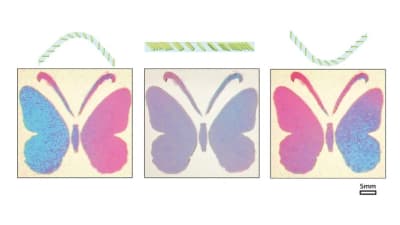
Features include unusual color changes and high touch sensitivity.
Briefs: Medical
The “E-dermis” will enable amputees to perceive through prosthetic fingertips.

Briefs: Test & Measurement
This technology provides rapid results, improving hospital workflow and patient care.

Top Stories
 Blog: Lighting

A Stretchable OLED that Can Maintain Most of Its Luminescence
 Blog: Energy

Batteries that Can Withstand the Cold
 INSIDER: Energy

Advancing All-Solid-State Batteries
 Quiz: Energy

 Blog: Physical Sciences

 Blog: Materials

Webcasts
 Upcoming Webinars: Sensors/Data Acquisition

From Spreadsheets to Insights: Fast Data Analysis Without Complex...
 Upcoming Webinars: Electronics & Computers

Cooling a New Generation of Aerospace and Defense Embedded...
 Upcoming Webinars: Sensors/Data Acquisition

Beyond AI-Copy-Paste Engineering: Advanced AI-Integration Success...
 Upcoming Webinars: Power

Battery Abuse Testing: Pushing to Failure
 Upcoming Webinars: Connectivity

A FREE Two-Day Event Dedicated to Connected Mobility
 Upcoming Webinars: Test & Measurement

Choosing the Right N-Port Strategy: Multiport VNAs vs. Switch...