40,51
-1
150
30
Briefs: Manufacturing & Prototyping
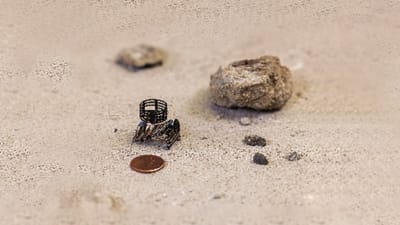
The piezoelectric “meta-bot” is capable of propulsion, movement, sensing, and decision-making.
Briefs: Medical
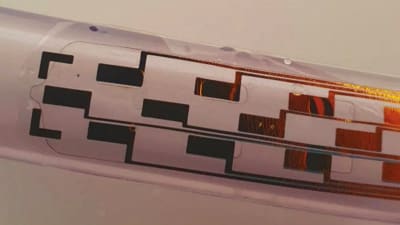
The device uses soft robotics, ultra-thin electronics, and microfluidics.
Briefs: Robotics, Automation & Control
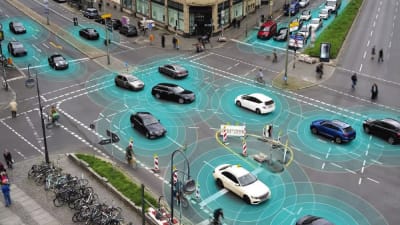
Researchers have developed the first ethical algorithm to fairly distribute the levels of risk rather than operating on an either/or principle.
Briefs: Robotics, Automation & Control
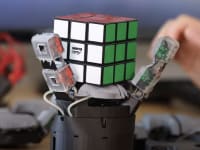
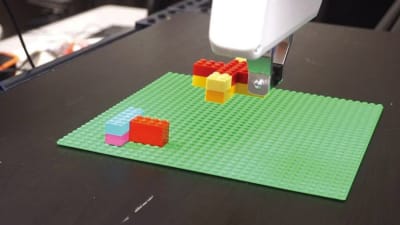
The technology could be useful in manufacturing and assembly plants for sorting packages, or in any environment where humans and robots collaborate.
Briefs: AR/AI
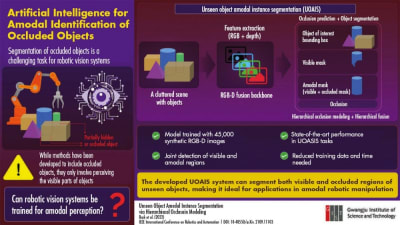
Robotic vision has come a long way, reaching a level of sophistication with applications in complex and demanding tasks, such as autonomous driving and object manipulation.
Briefs: Motion Control
Interactive program aids motion planning for environments with obstacles.

Briefs: Aerospace
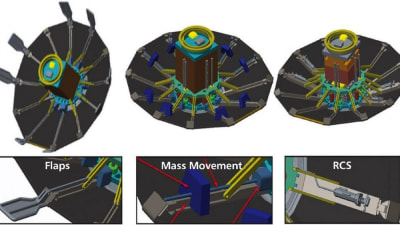
This novel flightpath control system exploits the dihedral effect to control the bank angle of the vehicle by modulating sideslip.
Briefs: Robotics, Automation & Control
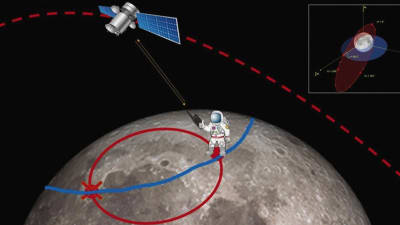
Scientists have developed a novel concept for a lunar navigation system based on the reverse-ephemeris technique.
Briefs: Sensors/Data Acquisition
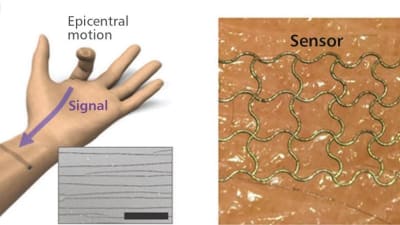
This system can track the motion of the entire body with a small sensory network.
Briefs: Robotics, Automation & Control
Accomplishing motion control with digitally commanded electric motors is a responsive, precise, and energy-efficient approach suitable for a wide range of applications.

Briefs: Photonics/Optics
Research reveals that expertly timed lasers shined at an approaching LIDAR system can create a blind spot in front of the vehicle.

Briefs: Data Acquisition
Real-time health monitoring and sensing abilities of robots require soft electronics but a challenge of using such materials lies in their reliability.

Briefs: Sensors/Data Acquisition
The sensor can be stretched up to 50 percent with almost the same sensing performance.
Briefs: Design
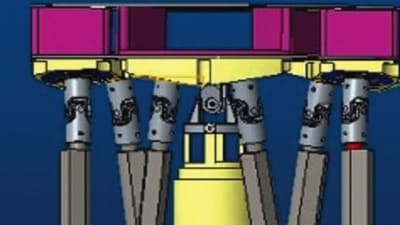
In-space and planetary surface assembly for human exploration is a challenging domain that encompasses various technological thrusts to support human missions.
Briefs: Unmanned Systems
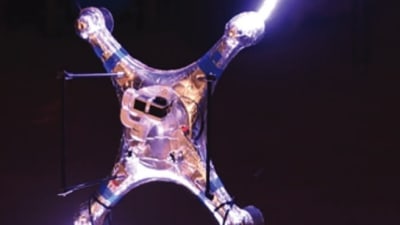
The robots will be challenged to carry out work too dangerous for humans.
Briefs: Robotics, Automation & Control
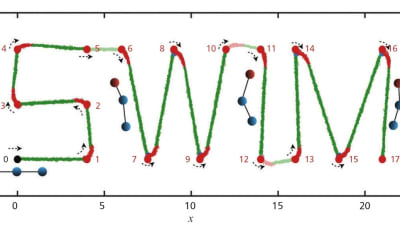
Researchers have been able to successfully teach micro-robots how to swim via deep reinforcement learning, marking a substantial leap in the progression of micro-swimming capability.
Briefs: Mechanical & Fluid Systems
This mechanism improves rotordynamic stability in turbomachinery.

Briefs: Robotics, Automation & Control
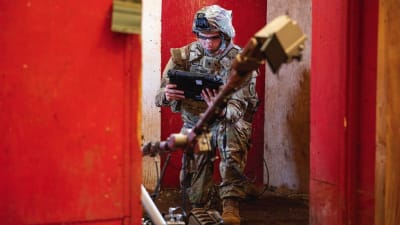
The model allows robots to ask clarifying questions to soldiers.
Briefs: Aerospace
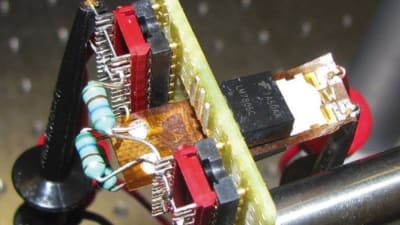
Potential uses include MEMS accelerometers, vibration monitoring, and other precision motion control applications.
Briefs: Transportation
The tiny device accurately measures acceleration in smaller navigation systems and other devices.

Briefs: Mechanical & Fluid Systems
A prototype version could be demonstrated on a large cargo lunar lander.

Briefs: Robotics, Automation & Control
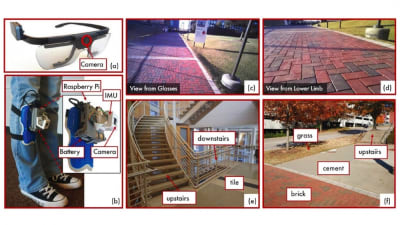
The software can be integrated with existing hardware to aid people using robotic prosthetics or exoskeletons.
Briefs: Design
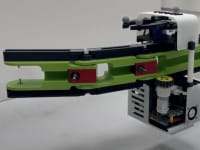
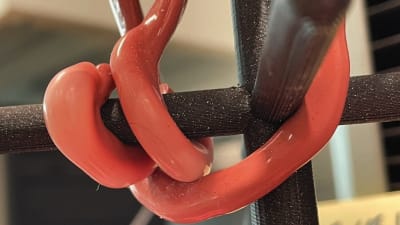
Researchers designed a new type of soft robotic gripper that uses a collection of thin tentacles to entangle and ensnare objects.
Briefs: Sensors/Data Acquisition
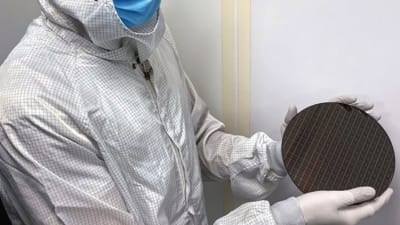
A team has installed electronic “brains” on solar-powered robots that are 100 to 250 micrometers in size so that they can walk autonomously.
Briefs: Robotics, Automation & Control
The new system learns directly from visual inputs to let a robot with a two-fingered gripper see, simulate, and shape doughy objects.

Briefs: AR/AI
A team of researchers at Carnegie Mellon University believe they have developed the first AI pilot that enables autonomous aircraft to navigate a crowded airspace.

Briefs: Design
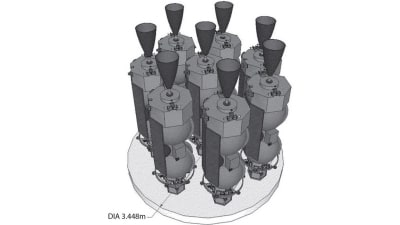
Innovators at NASA Johnson Space Center have designed an Active Debris Removal Vehicle that can remove large orbital debris from low-Earth orbit.
Briefs: IoMT
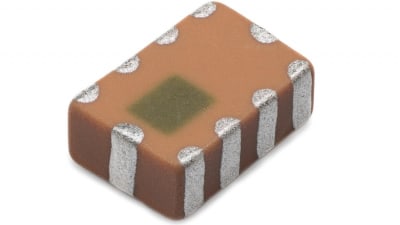
The design goal is to provide exceptional RF signal range and stability, while also reducing power consumption, in a miniaturized package.
Briefs: Sensors/Data Acquisition
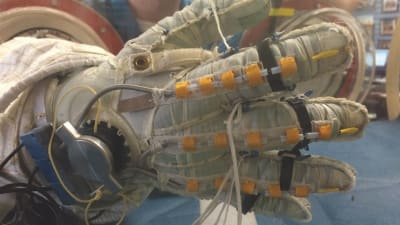
NASA is developing the next generation of spacesuits for future missions.
Top Stories
 Blog: Lighting

A Stretchable OLED that Can Maintain Most of Its Luminescence
 Blog: Energy

Batteries that Can Withstand the Cold
 INSIDER: Energy

Advancing All-Solid-State Batteries
 Quiz: Energy

 Blog: Physical Sciences

 Blog: Materials

Webcasts
 Upcoming Webinars: Test & Measurement

From Spreadsheets to Insights: Fast Data Analysis Without Complex...
 Upcoming Webinars: Electronics & Computers

Cooling a New Generation of Aerospace and Defense Embedded...
 Upcoming Webinars: Test & Measurement

Beyond AI-Copy-Paste Engineering: Advanced AI-Integration Success...
 Upcoming Webinars: Automotive

Battery Abuse Testing: Pushing to Failure
 Upcoming Webinars: Internet of Things

A FREE Two-Day Event Dedicated to Connected Mobility
 Upcoming Webinars: Test & Measurement

Choosing the Right N-Port Strategy: Multiport VNAs vs. Switch...