34
-1
150
30
Briefs: Robotics, Automation & Control
The “nanoswimmers” could be used to remediate contaminated soil, improve water filtration, or even deliver drugs to targeted areas of the body.

Briefs: Wearables
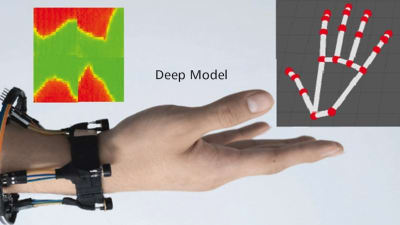
The technology has possible uses in monitoring disorders that affect fine motor skills such as Parkinson’s and Alzheimer’s.
Briefs: Imaging
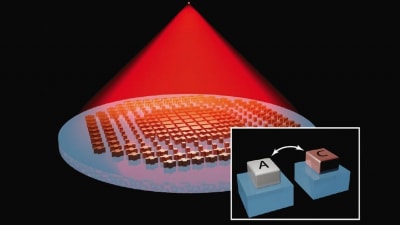
The design may enable miniature zoom lenses for drones, cellphones, or night-vision goggles.
Briefs: Energy
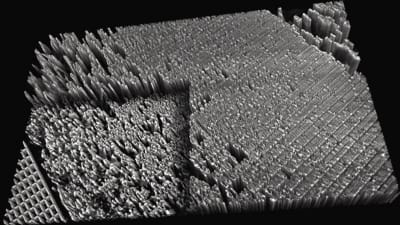
Scientists are working to improve the image resolution of X-ray techniques.
Briefs: Sensors/Data Acquisition
Flexible carbon nanotube fibers woven into clothing gather accurate EKG and heart rate.

Briefs: Robotics, Automation & Control
An off-the-shelf USB camera captures the shadows made by hand gestures on the robot’s skin.

Briefs: Imaging
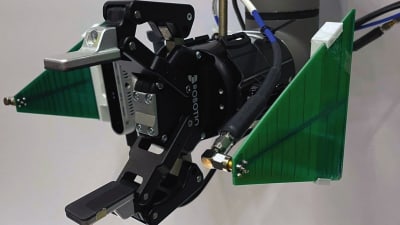
This robotic arm fuses data from a camera and antenna to locate and retrieve items buried under piles and completely out of view.
Briefs: Imaging
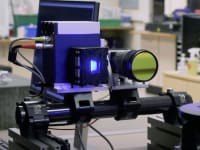
The camera was designed for use in space and other extreme environments.

Briefs: Test & Measurement
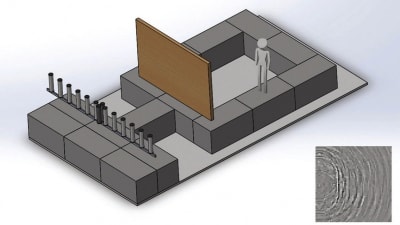
This method could help firefighters find victims inside buildings and could track hypersonic objects such as missiles and space debris.
Briefs: RF & Microwave Electronics
Applications include planetary exploration and imaging systems used in surveillance, navigation, and target recognition.

Briefs: RF & Microwave Electronics
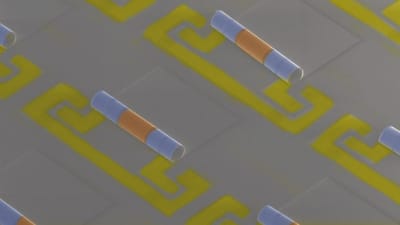
This component takes up ten times less space on computer chips.
Briefs: Electronics & Computers
The ultrathin magnet could advance new applications in computing and electronics.

Briefs: Electronics & Computers
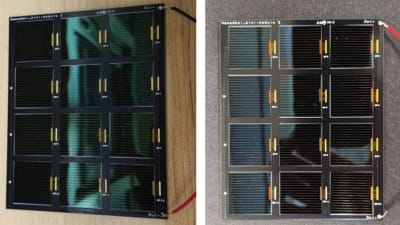
An already ubiquitous material in outdoor photovoltaic modules could be repurposed for indoor devices with low-capacity batteries.
Briefs: Sensors/Data Acquisition
The system could one day replace LiDAR and cameras in automated manufacturing, biomedical imaging, and autonomous driving.
Briefs: AR/AI
This AI turns even the blurriest photo into realistic computer-generated faces in HD.

Briefs: Sensors/Data Acquisition
These tactile imaging sensors can measure pressure distribution without using pressure-sensitive materials.

Briefs: Imaging
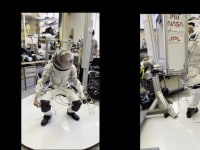
Exoskeleton legs are capable of thinking and making control decisions on their own using artificial intelligence technology.

Briefs: Communications
These antennas dramatically increase the amount of information that can be simultaneously transmitted by a coherent light source.

Briefs: Imaging
The ultra-compact, wearable hologram sensor immediately notifies the user of volatile gas detection.
Briefs: Photonics/Optics
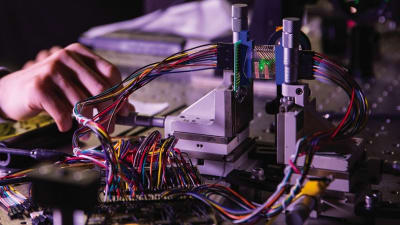
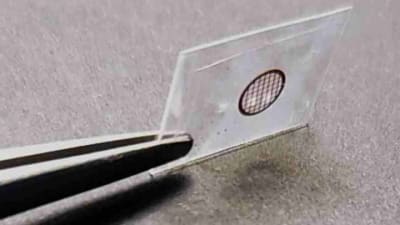
To modernize optical storage, Purdue researchers are replacing Morse code with colored “digital characters.”

Briefs: Photonics/Optics
A novel nanostructure produces uniquely shaped light.

Briefs: Semiconductors & ICs
Northwestern researchers have developed a new microscopy method that allows scientists to see the building blocks of “smart” materials.

Briefs: Test & Measurement
Researchers are using a standard RGB digital camera to accurately monitor soil moisture.

Briefs: Electronics & Computers
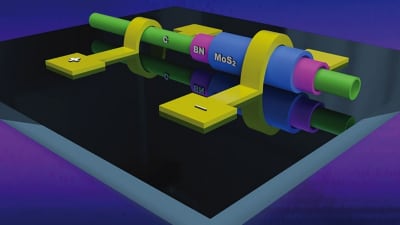
The technology potentially enables a new generation of miniaturized electronic and optoelectronic devices.
Briefs: Robotics, Automation & Control
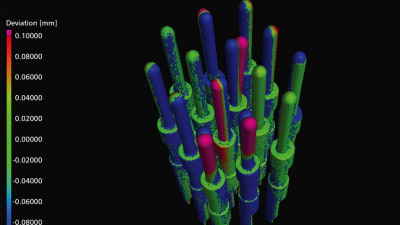
A production-based X-ray solution performs product quality evaluation directly on the manufacturing line.
Briefs: Aerospace
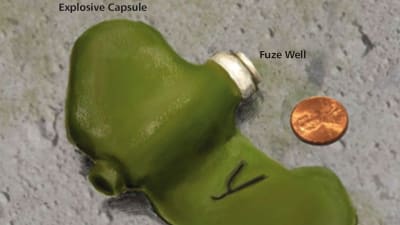
Dangerous “butterfly” landmines can be detected using low-cost drones and infrared cameras.
Briefs: Photonics/Optics
This could lead to the commercial development of smart glass, with applications ranging from imaging to advanced robotics.

Briefs: AR/AI
The system could one day replace LiDAR and cameras in automated manufacturing, biomedical imaging, and autonomous driving.

Briefs: Robotics, Automation & Control
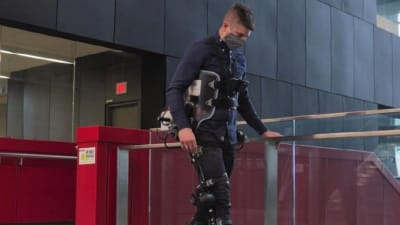
Exoskeleton legs are capable of thinking and making control decisions on their own using artificial intelligence technology.
Top Stories
 Blog: Lighting

A Stretchable OLED that Can Maintain Most of Its Luminescence
 Blog: Design

Batteries that Can Withstand the Cold
 INSIDER: Energy

Advancing All-Solid-State Batteries
 Quiz: Energy

 Blog: Data Acquisition

 Blog: Materials

Webcasts
 On-Demand Webinars: Test & Measurement

From Spreadsheets to Insights: Fast Data Analysis Without Complex Programming
 Upcoming Webinars: Aerospace

Cooling a New Generation of Aerospace and Defense Embedded...
 Upcoming Webinars: Test & Measurement

Beyond AI-Copy-Paste Engineering: Advanced AI-Integration Success...
 Upcoming Webinars: Energy

Battery Abuse Testing: Pushing to Failure
 Upcoming Webinars: Connectivity

A FREE Two-Day Event Dedicated to Connected Mobility
 Upcoming Webinars: Test & Measurement

Choosing the Right N-Port Strategy: Multiport VNAs vs. Switch...