-1
1260
30
Briefs: AR/AI
This AI turns even the blurriest photo into realistic computer-generated faces in HD.

Briefs: Electronics & Computers
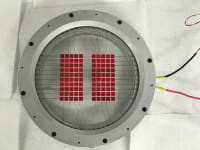
To enable the development of wearable devices that possess advanced ultraviolet (UV) detection functions, scientists have created a new type of light sensor that is both flexible and highly sensitive.
Briefs: Wearables
Implantable chips visible only in a microscope point the way to developing chips that can be injected into the body with a hypodermic needle to monitor medical conditions.

Briefs: Sensors/Data Acquisition
Monitoring urine sugar levels is important during early stages of diabetes, and diaper sensors represent an attractive solution.

Briefs: Motion Control
Vibration-absorbing resonators could better soundproof walls and make vehicles more streamlined.

Briefs: Motion Control
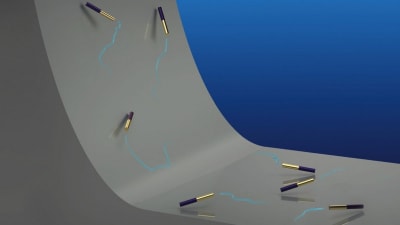
The tiny motors mimic how rock climbers navigate inclines.
Briefs: Energy
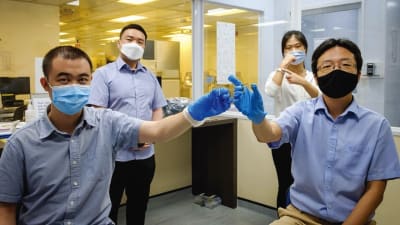
The soft and stretchable device converts movement into electricity and can work in wet environments.

Briefs: Robotics, Automation & Control
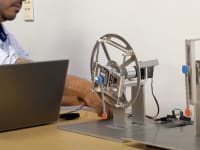
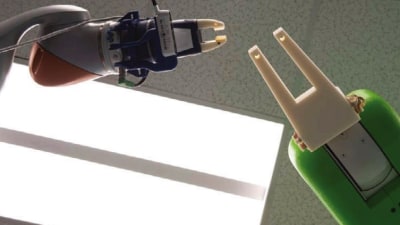
In a collapsed building or on rough terrain, a robot could balance itself and move forward with just its feet.

Briefs: AR/AI
The technology could improve the control of prosthetic hands and provide a sense of “touch” for amputees.

Briefs: Test & Measurement
A system uses tiny magnetic beads to rapidly measure the position of muscles and relay that information to a bionic prosthesis.

Briefs: AR/AI
Artificial intelligence helps train robots to work together to move an object around two obstacles and through a narrow door in computer simulations.
Briefs: Materials
Researchers have developed graphene-based sensing technology using G-Putty material — a highly malleable graphene blended putty. The printed sensors are 50 times more sensitive than the...

Briefs: Manufacturing & Prototyping
Applications include manufacturing structural components for aerospace vehicles, cars, trucks, trains, ships, and submarines.

Briefs: Energy
The reaction converts 90% of plastic to jet fuel and other valuable hydrocarbon products within an hour at moderate temperatures.

Briefs: Materials
This work could help severely injured people, such as soldiers, regain the ability to control their movements.
Briefs: Mechanical & Fluid Systems
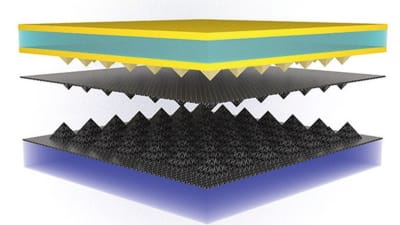
These tactile imaging sensors can measure pressure distribution without using pressure-sensitive materials.

Briefs: Energy
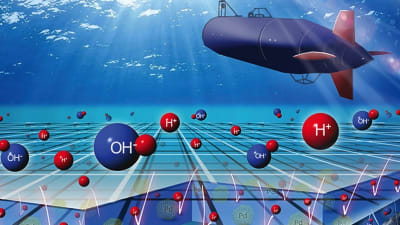
This fuel cell could power a variety of transportation modes such as unmanned underwater vehicles, drones, and eventually electric aircraft.
Briefs: Mechanical & Fluid Systems
Designed for soldier uniforms, the fiber can sense, store, analyze, and infer activity when sewn into a piece of clothing.
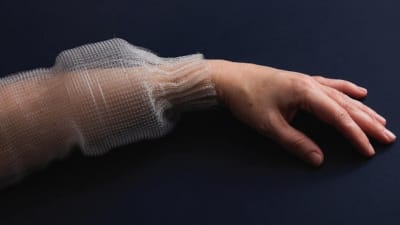
Briefs: Communications
The approach could lead to more flexible health monitors, wearable devices, sensors, optical communication systems, and soft robotics.

Briefs: Energy
Synthesis of fiber-metal laminates is performed using RF plasma spray deposition.

Briefs: Energy
A folded plastic bladder could store and pump the fuel.
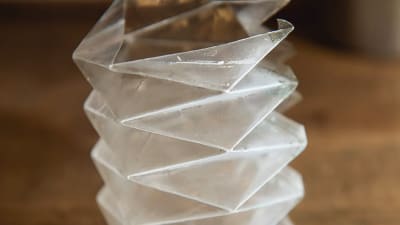
Briefs: Imaging
Exoskeleton legs are capable of thinking and making control decisions on their own using artificial intelligence technology.
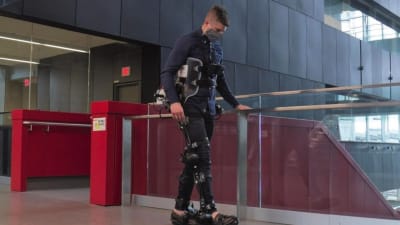
Briefs: Manufacturing & Prototyping
Printers can be identified by their unique hot end, aiding intellectual property and security.
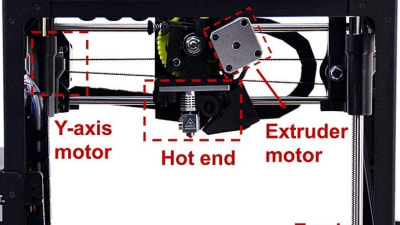
Briefs: Manufacturing & Prototyping
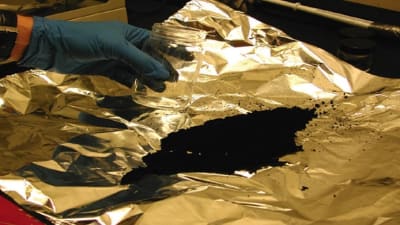
High-yield synthesis of carbon nanotubes is enabled via free electron laser ablation.
Briefs: RF & Microwave Electronics
An atom-based sensor can determine the direction of an incoming radio signal.

Briefs: Test & Measurement
These antennas dramatically increase the amount of information that can be simultaneously transmitted by a coherent light source.

Briefs: Motion Control
A low-cost, dynamically controlled surface for 3D printers reduces waste and saves time.
Briefs: Manufacturing & Prototyping
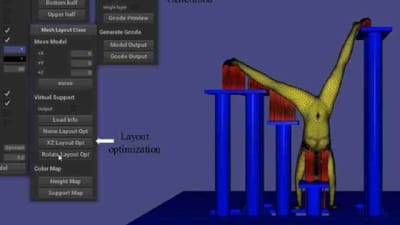
A deep-learning technique optimizes the arrangement of sensors on a robot’s body to ensure efficient operation.

Briefs: Electronics & Computers
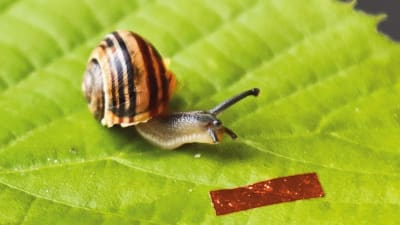
The soft robot harvests energy from a laser beam and can crawl on horizontal surfaces and climb vertical walls and an upside-down glass ceiling.
Top Stories
 Blog: Design

A Stretchable OLED that Can Maintain Most of Its Luminescence
 INSIDER: Design

Advancing All-Solid-State Batteries
 Blog: Power

My Opinion: We Need More Power Soon — Is Nuclear the Answer?
 Blog: Energy

Batteries that Can Withstand the Cold
 Quiz: Power

 Blog: Robotics, Automation & Control

Microscopic Swimming Machines that Can Sense, Respond to Surroundings
Webcasts
 On-Demand Webinars: Transportation

Advantages of Smart Power Distribution Unit Design for Automotive &...
 Upcoming Webinars: Unmanned Systems

Quiet, Please: NVH Improvement Opportunities in the Early Design...
 Upcoming Webinars: AR/AI

From Spreadsheets to Insights: Fast Data Analysis Without Complex...
 Upcoming Webinars: Electronics & Computers

Cooling a New Generation of Aerospace and Defense Embedded...
 Upcoming Webinars: AR/AI

Beyond AI-Copy-Paste Engineering: Advanced AI-Integration Success...
 Upcoming Webinars: Energy